
Hobart Gutter Guard Co Blog
Could Gutter Guards Protect Tasmanian Solar Panel Investments?
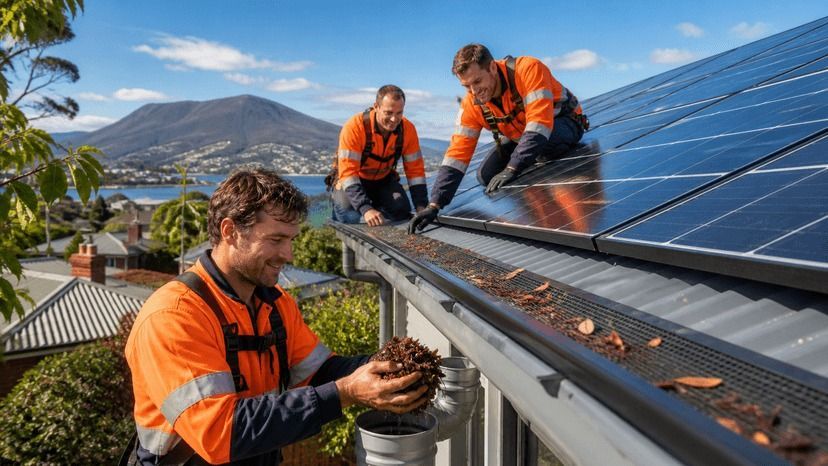
Are Gutter Guards the Missing Link in Solar ROI?
Solar panels are a major long-term investment for Tasmanian homes. By the time you pay for panels, inverters, and installation, you have a valuable asset sitting on the roof. Protecting that asset is about much more than occasional panel cleaning.
The real threat to long-term solar returns is what happens around the system. Open gutters, exposed panel edges, and messy roof lines invite birds, possums, leaves, and even embers in bushfire-prone areas. All of these can cut performance, damage gear, and shorten the life of your whole setup, eroding your return on investment over time.
We see gutter guards and solar panel pest protection as an asset protection system. When they work together, they help you keep power output steady, protect your roof, and reduce surprise repairs. The rest of this guide walks through how that works for Tasmanian homes and why it matters if you care about protecting your investment and long-term ROI, not just day-to-day upkeep.
What Is Really Threatening Your Solar Investment in Tasmania?
Tasmania’s climate is kind to solar in some ways, but hard on roofs. Wet, windy winters push leaves, twigs, and dirt under panel edges and into gutters. On coastal or exposed sites, salty air and constant moisture sit on metal and fixings for long periods, which isn’t great for frames, brackets, or roof sheets.
The sheltered gap under many arrays is perfect for pests. Common issues we see around solar panel pest protection include:
- Pigeons and starlings nesting under panels
- Possums using the array as a high, safe pathway
- Droppings building up on frames and roof sheets
- Noise and mess in roof spaces and around outdoor areas
Clogged gutters and roof valleys near solar arrays add another problem. When they overflow, water can:
- Track back under roof sheets near mounting points
- Sit around fixings and cabling penetrations
- Increase dampness that can speed up corrosion
In drier periods, leaf litter in gutters and under panels becomes a safety concern. Dry leaves and twigs can act as fuel if the roof is exposed to ember attack during a bushfire. That turns a routine roof care issue into a fire risk around wiring, roof timbers, and the panels themselves.
So the real picture is simple: if your gutters and panel edges are open and messy, you are giving water, pests, and embers easy access to your solar asset and putting your long-term solar returns at risk.
How Can Gutter Guards Support Long-Term Solar Asset Protection?
Solar panel pest protection is not just one product. It is a set of barriers and good roof practice that work together to protect your investment. In practical terms, it usually includes:
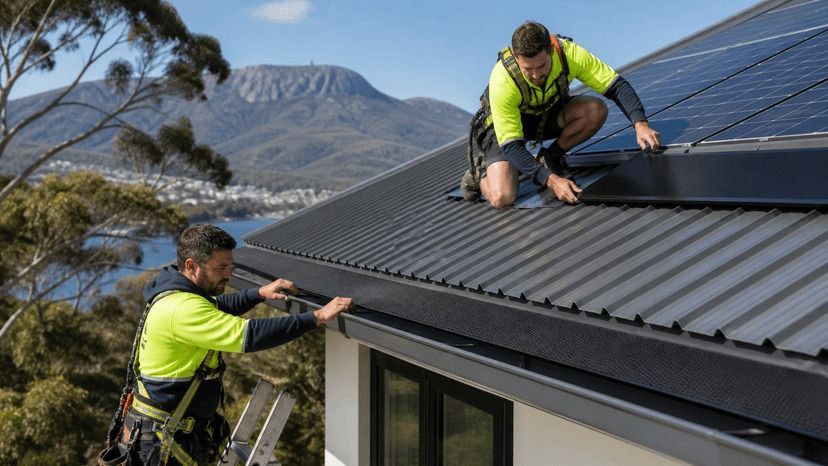
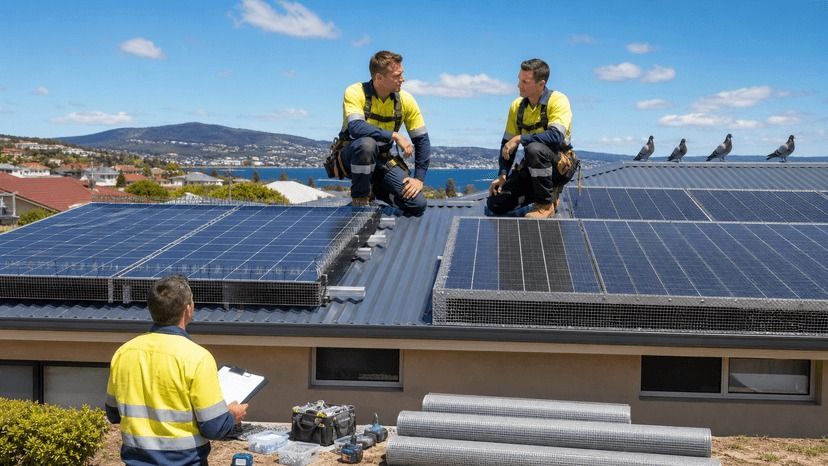
- Mesh barriers fitted around the outer edge of the panels
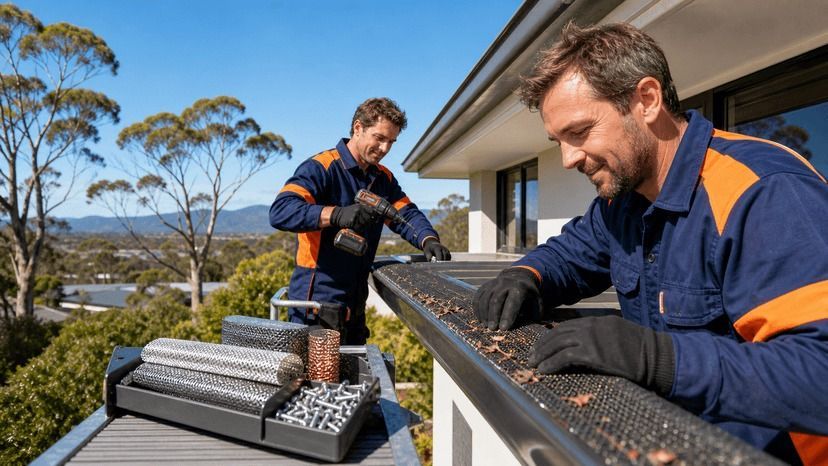
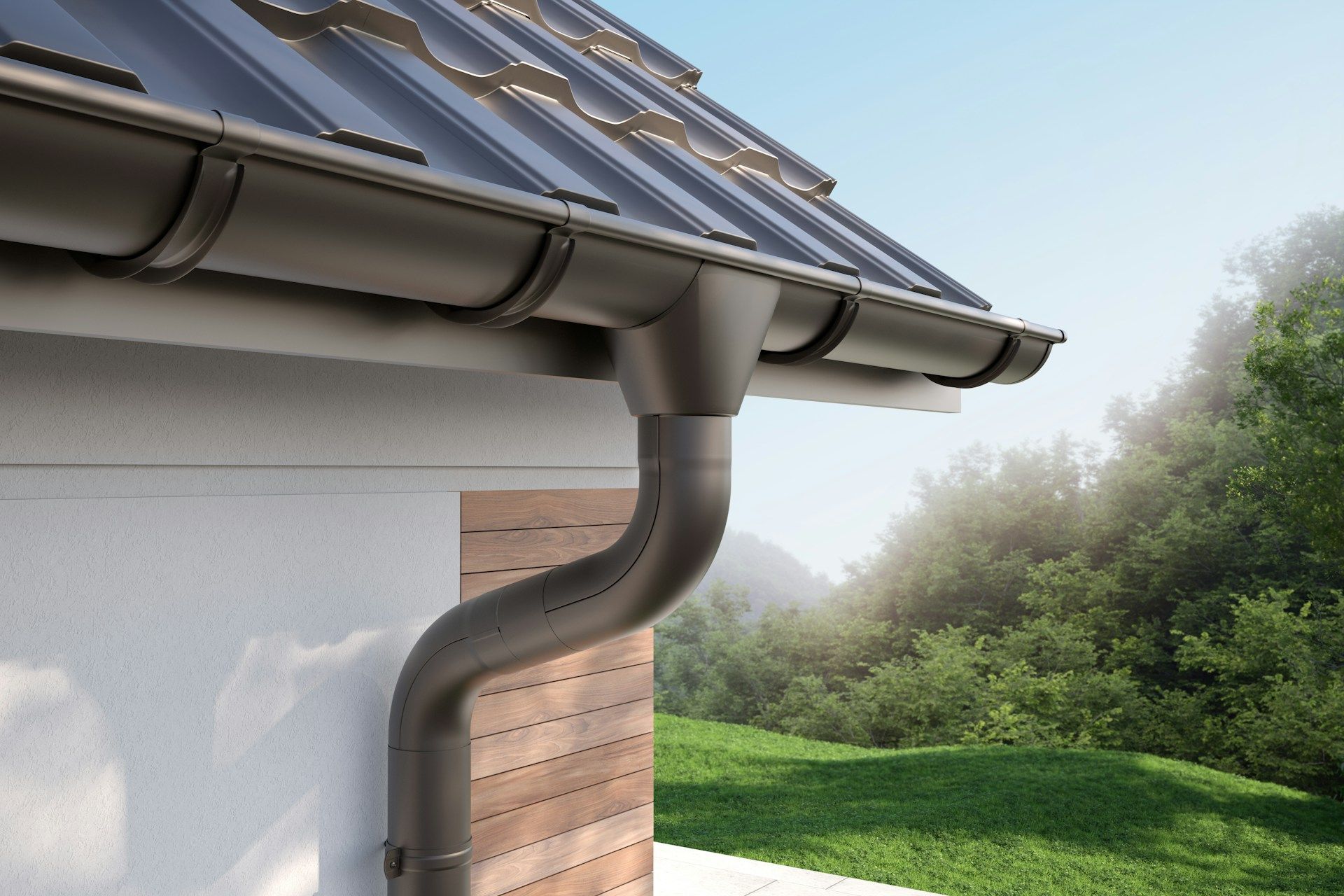
- Quality gutter guards along the nearby rooflines
- Sealing of common bird and rodent entry gaps around the roof
When gutter guards are installed properly, they keep most leaves and debris out of the gutters in the first place. That means:
- Less standing water near mounting points and cabling
- Fewer damp, messy spots that attract pests
- Cleaner roof areas that are harder for birds to nest in
If you then add a compatible mesh around the solar panel perimeter, you cut off the sheltered gap under the array that birds and possums love. The guards in the gutters and the mesh around the panels support each other. Debris is kept away from both the underside of the panels and the water paths off the roof.
For long-term protection, it pays to think in terms of one high-grade system rather than lots of small fixes. A quality metal mesh, suitable for both gutters and panel edges, can:
- Help protect panel wiring from chewing and nesting
- Support roof integrity around fixings and flashings
- Help keep power output more consistent across the seasons
That is an asset longevity mindset. You invest once in durable barriers, instead of paying again and again for short-term cleaning, pest control, and patch repairs that do not address the root cause.
What Do Before-and-After Solar Guard Case Studies Reveal?
When we look at real Tasmanian homes with 5 to 10 kW systems, the pattern is often the same before any solar panel pest protection work.
Before: What Problems Put Your ROI at Risk?
Before protection, you often find:
- Birds nesting under panels, with twigs sticking out at the edges
- Droppings on frames and roof sheets, starting to stain surfaces
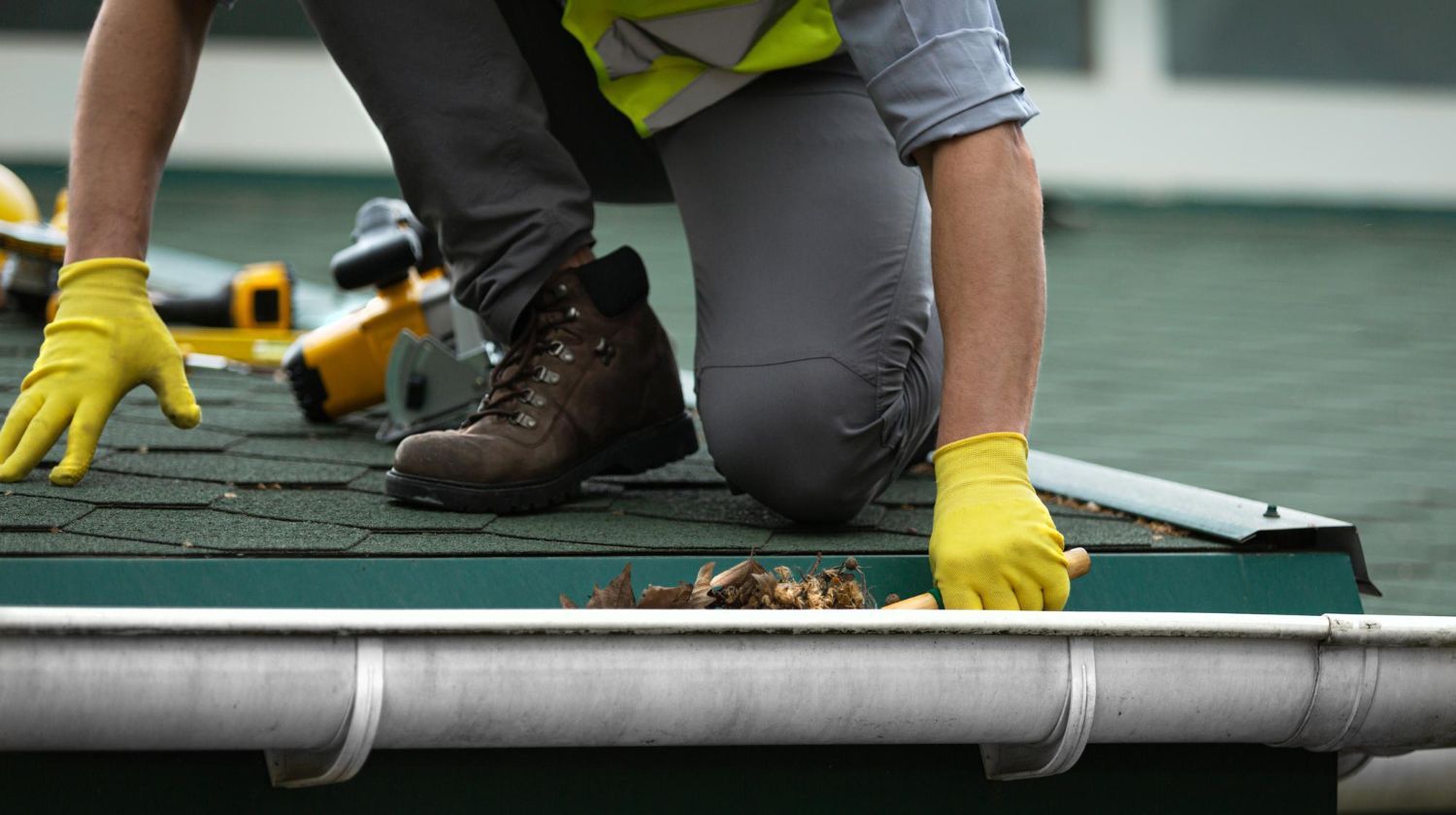
- Gutters packed with leaves and sludge near the array
- Repeated callouts to clear blockages, nests, and access issues
Performance can be inconsistent. Shading from debris, extra grime on panels, and minor water issues around wiring points can slowly drag output down. Ownership costs creep up as you keep dealing with the same problems, which quietly chips away at the return on your solar investment.
After: How Does Protection Change the Picture?
After fitting gutter guards and panel edge mesh, the roofline tells a different story. The most noticeable changes are:
- Clean, even lines along the gutters with minimal visible debris
- Sealed panel edges so birds and possums cannot get underneath
- Far less leaf litter caught near the array and valleys
- A roof surface that stays neater and drier between weather events
Homeowners often report more predictable power production across the year once pests and heavy debris are under control. There is reduced short-term shading, fewer surprises after storms, and less disruption for any necessary servicing. All of this supports a more stable, reliable solar ROI over the life of the system.
Which Gutter Guard Options Offer the Safest Long-Term Protection?
Not all guards are the same, and some options can cause trouble if they are not suited to your roof or solar layout. A common comparison is cheap DIY plastic products versus professionally fitted metal mesh systems.
How Do DIY Plastic Guards Compare to Metal Mesh Systems?
Low-cost DIY plastic guards often:
- Break down faster under UV and coastal conditions
- Warp or come loose in strong wind
- Provide gaps pests can still use
- May not be suitable in bushfire-prone areas
By comparison, a well-installed aluminium or steel mesh system is designed to last in Tasmanian conditions and can work well with solar arrays when fitted correctly. This makes it a more robust asset protection choice, even if the upfront cost is higher.
What Safety and Quality Checklist Should You Use?
Before choosing a system, run through this safety and quality checklist:
- Is the mesh material non-combustible, especially in bushfire-risk zones?
- Is the mesh aperture small enough to help with ember and pest control?
- Are the fixing methods designed not to damage roof sheets or frames?
- Will the installation respect panel and roof warranties?
- Will the installer use safe roof access and work methods?
Climbing on roofs, working near live electrical equipment, and handling sheet metal is not a casual weekend task. Homeowners should call in specialists when:
- The home is multi-storey or has awkward access
- The roof is steep or made of fragile material
- The solar layout is complex, with tight gaps or multiple arrays
- There is any concern about electrical safety, cabling, or junction boxes
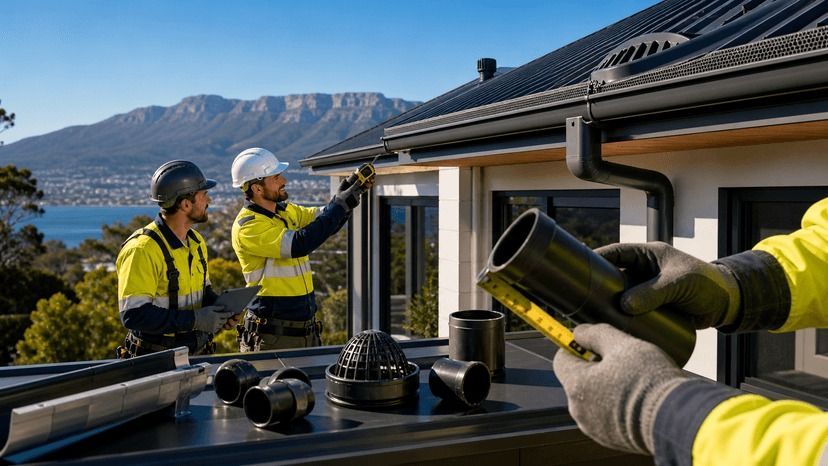
A professional installer who understands both gutters and solar arrays can design a system that protects the asset without creating new issues, helping to secure the performance of your investment over time.
How Can You Protect Your Solar Investment This Winter?
As Tasmanian winters bring more rain and wind, any weakness in your roof and gutter system tends to show up quickly. Open gutters fill faster, water sits longer, and pests look for dry, sheltered spots under warm solar panels. All of this can undermine the long-term value of your solar system if it is left unmanaged.
A smart next step is to look at your solar as part of the whole roof system. That usually means:
- Booking a professional inspection of gutters, rooflines, and the solar perimeter
- Identifying areas where leaf litter builds up or water overflows
- Checking for signs of nesting, droppings, or chewing near panels and wiring
- Planning a combined approach that covers ember guards, gutter guards, and panel pest barriers
A once-off investment in quality guards from a Tasmanian specialist like Hobart Gutter Guard Co helps shift you from reactive cleaning to proactive asset care. With the right solar panel pest protection and gutter setup, you give your panels a cleaner, safer environment to work in and help your solar investment keep paying you back for many years, with fewer interruptions and lower long-term risk.
Protect Your Solar Investment From Costly Pest Damage
Keep your panels performing at their best with our specialised
solar panel pest protection service, designed to stop birds and vermin nesting where they should not. At Hobart Gutter Guard Co, we use proven methods and quality materials to safeguard your system and your roof. If you are ready to sort your pest issues before they cause expensive damage,
contact us today for a prompt, no-fuss assessment.
Get a Free Measure and Quote
- No More Cleaning Blocked Gutters
- Keep Out Birds, Leaves & Debris (100% Bird Proof Gutters)
- Protect Your Gutters & Home From Costly Water Damage and Fire Threats
- Gutter Guard & Ember Guard
- Free Gutter and Solar Panel Clean With New Installs