
Hobart Gutter Guard Co Blog
A Comprehensive Guide to Gutter Guard Installation Methods: Professional vs DIY

A Comprehensive Guide to Gutter Guard Installation Methods: Professional vs DIY
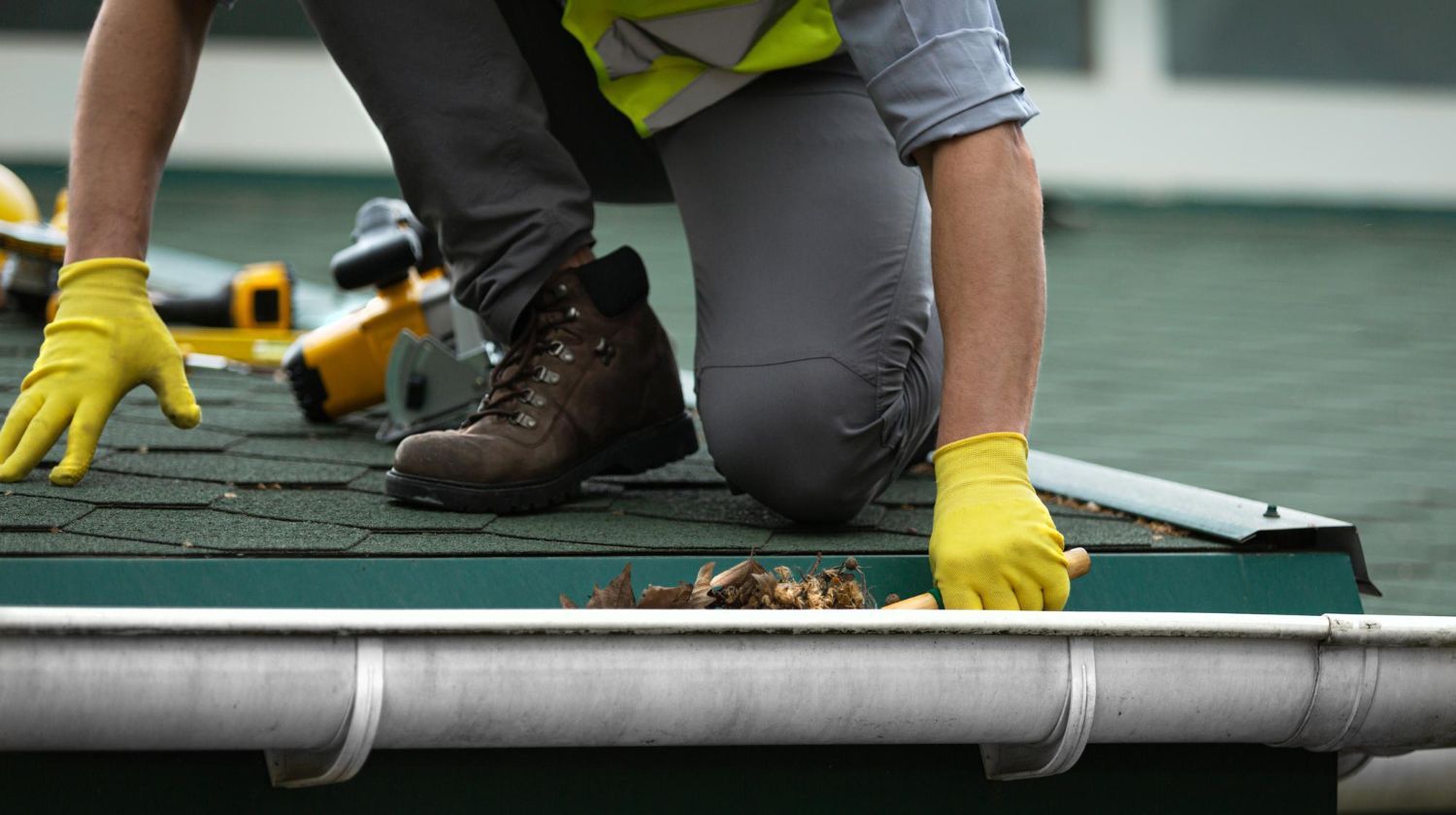
Gutter Guard Installation in Tasmania: Mesh, Screen, Brush & Foam Compared
Tasmanian weather doesn't mess around. Heavy downpours whip off Mount Wellington, embers threaten homes in the Huon Valley each fire season, and suburban Hobart streets get buried in leaf litter every autumn. Through all of it, your gutters are doing the quiet, unglamorous job of keeping water away from your roofline and foundations—until they clog up and stop.
Blocked gutters cause rusted roof line metal, water damage inside your eaves, and elevated fire risk during hot, dry summers. A properly installed gutter guard system is the single most effective way to prevent all three.
This guide walks through the main types of gutter guards, how to prepare your roofline before installing anything, a step-by-step DIY process for the confident weekend warrior, and an honest look at when it's worth calling in a professional.
The Main Types of Gutter Guards Compared
The right system for your home depends on your roof type, the trees around you, and your budget. Here's how the five most common options stack up.
TypeBest ForWatch Out ForMetal mesh (stainless/aluminium)Bushfire zones, heavy rain, long-term reliabilityHigher upfront cost than plasticPlastic meshTight budgets, low-risk areasDegrades under UV and cold, warps and gaps over timeMetal screensHeavy leaf fall, larger debrisSmaller debris like seeds can still slip throughPlastic screensShort-term or rental fixesTurns brittle and snaps after a few Southern Tasmania frostsBrush guardsTool-free, quick DIY installsHigh maintenance—needs regular pulling out and hosing offFoam guardsFast, low-cost fittingHolds moisture; mould and vegetation growth within 12–18 months in Tassie's damp climateReverse curve / surface tensionSteep roof pitches, durabilityCan overshoot in flash-storm conditions, pooling water at the foundation
Why metal mesh is the local standard
For most Tasmanian properties, stainless steel or aluminium mesh is the safest long-term bet. It handles heavy downpours without sagging, won't degrade under UV exposure, and offers genuine ember protection that helps meet local council bushfire construction standards. Plastic alternatives are cheaper on day one, but in a climate that swings between hard frosts and baking summer sun, they're usually a false economy.
Preparing Your Roofline Before Installation
Skip this stage and even the best gutter guard will fail early. Your existing gutters need to be sound before anything gets fitted on top of them.
Preparation StepKey TaskCommon Mistake to Avoid1. Roofline & gutter inspectionCheck brackets, end caps, alignment, and seal integrity; look for rust or saggingFitting guards over loose brackets or damaged fascia timber2. Deep clean & flushScoop out sludge, clear downpipes with a hose or plumber's snake, treat mouldLeaving organic sludge behind to rot the gutter under the guard3. Repair & sealApply roof-grade silicone to leaks, replace rusted sections, tighten loose screwsOver-tightening old screws and stripping the fascia mounting holes4. Safety & tool prepSecure stable ladder placement, wear heavy-duty gloves, prep tin snips and a drillWorking at height alone, without a ladder anchor or a second person on site
Step-by-Step DIY Gutter Guard Installation
DIY installation is a realistic option if you're comfortable with tools and working on a low, single-storey property with a standard roof pitch.
Deep clean & flush → Measure & cut material → Secure hardware & clips → Water flow test
- Safety first. Set the ladder on firm, level ground, use a harness where required, and don't work alone.
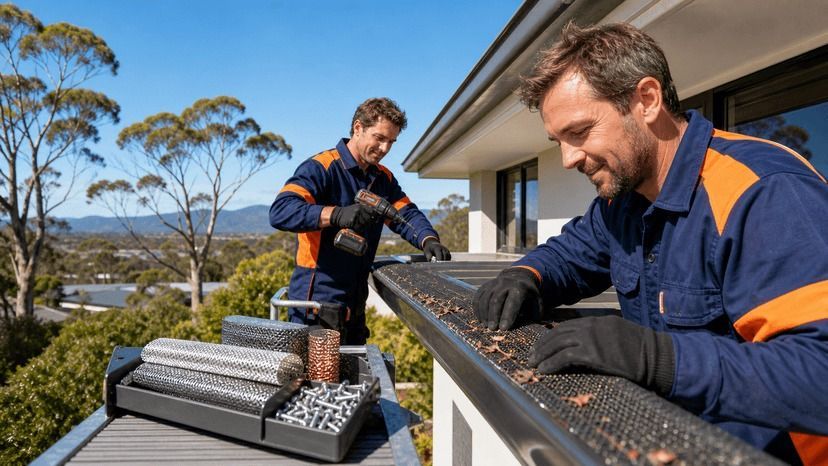
- Measure and cut precise lengths. Cut metal mesh or screens to size with tin snips, leaving an extra 20mm at each end. Fold this excess into the end caps to keep pests out.
- Mount the guards:Snap-in guards: Slide the back edge under the bottom row of roof tiles or shingles, then snap the front edge onto the outer lip of the gutter.
- Screw-down mesh: Fix the outer edge to the gutter lip with hex-head roofing screws and rubber washers, keeping the mesh taut along the entire run.
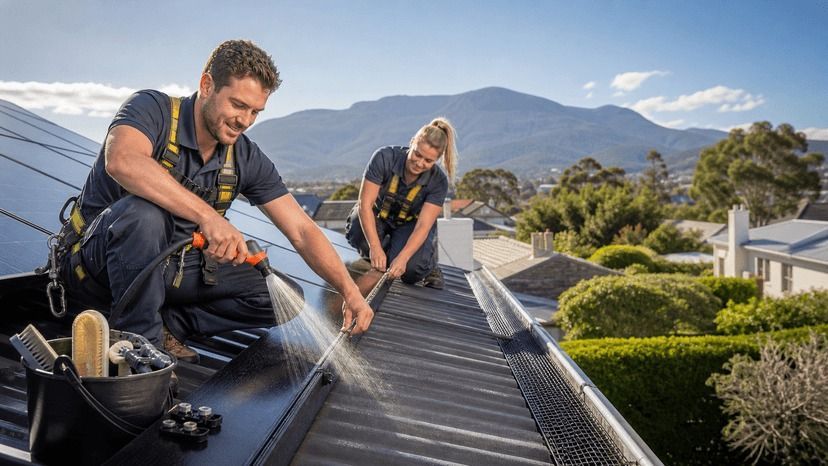
- Run a final water test. Hit the roof above the guard with a garden hose at full pressure. Water should drain straight into the downpipes—no splashing over the front edge, no pooling on top.
Professional vs. DIY: What Really Matters
DIY saves money on labour up front, but a poor installation can cost far more later in structural water damage, roof leaks, or a voided warranty.
- DIY installation: lower upfront cost, higher labour and risk, possible future maintenance costs.
- Professional installation: higher upfront cost, minimal risk, longer-term protection backed by a warranty.
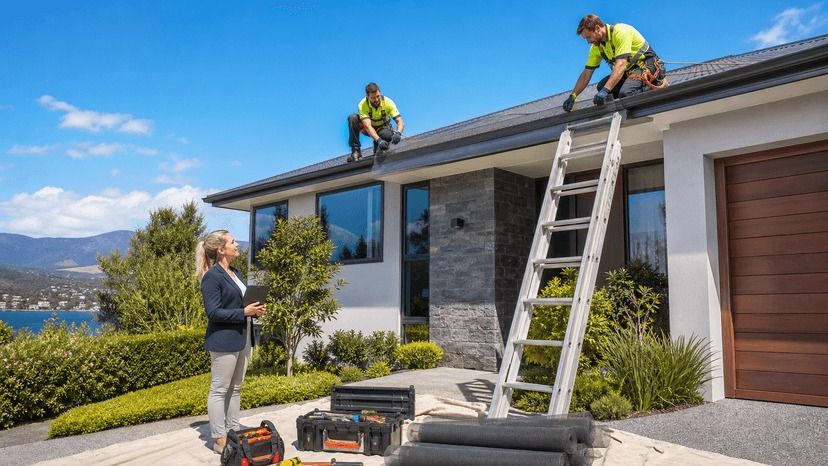
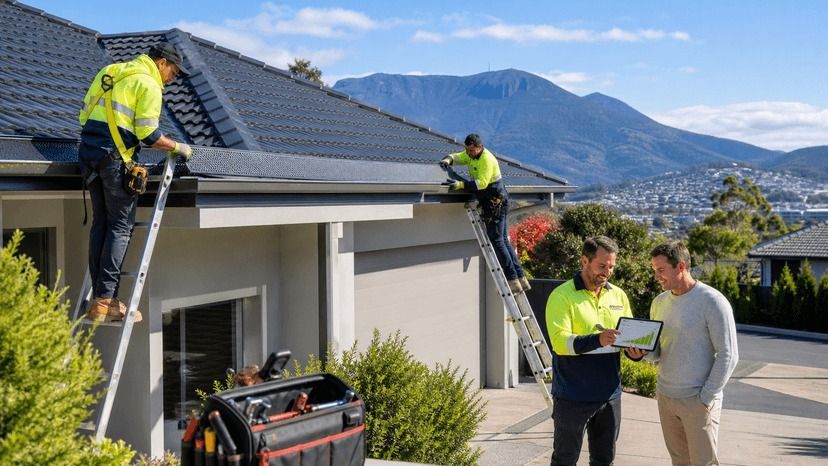
What a professional crew brings that's hard to replicate yourself:
- Expert assessment. Installers weigh up roof pitch, gutter capacity, and your property's specific micro-climate before choosing materials.
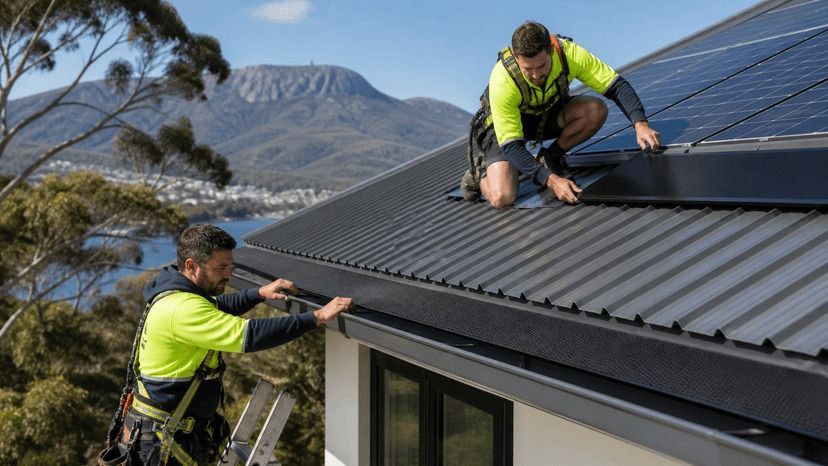
- Licensing and safety. Proper height-safety gear, public liability insurance, and recognised trade accreditation.
- Speed. A job that takes a homeowner two weekends on a ladder is usually done cleanly in a single day.
If your home is multi-storey, steep-pitched, or hard to access safely, professional installation isn't just more convenient—it's the safer call.
Frequently Asked Questions
How much do gutter guards cost in Tasmania? Costs vary by material and roof length, with metal mesh sitting above plastic options but paying off through a much longer lifespan. Get a measured quote for your specific roofline rather than relying on national averages, which rarely account for Tassie's climate demands.
Do gutter guards stop bushfire embers? Quality metal mesh guards reduce the risk of ember entry significantly, which is why they're favoured in bushfire-prone areas like the Huon Valley. Always check your specific product against current local council fire standards.
How often do gutter guards need maintenance? Metal mesh needs the least attention—an annual check is usually enough. Brush and foam guards need more frequent clearing, since debris and moisture build up inside the guard itself rather than just on top of it.
Can I install gutter guards myself? Yes, on a single-storey home with a standard pitch and safe ladder access. For multi-storey homes, steep roofs, or bushfire-rated requirements, professional installation is the safer and more reliable choice.
Never Miss a Lead: How We Run Our Business Behind the Scenes
Good gutter work matters, but so does being easy to reach when a Tassie storm has someone worried about their roof. That's why Hobart Gutter Guard Co. pairs on-the-tools expertise with smart back-office systems:
- Missed call text-back. If the crew's up a ladder and can't grab the phone, an instant SMS goes out so the enquiry isn't lost.
- Unified enquiries. Website forms, Facebook messages, and Google leads land in one dashboard, so nothing slips through the cracks.
- Automated review requests. Once a job's done, a review request goes out automatically, keeping our local reputation current and honest.
- Seasonal reminders. Past customers get a nudge before winter to check whether it's time for a clean or an upgrade.
None of that replaces good workmanship—it just means you're not left waiting on hold to get it.
Your Gutter Guard Checklist
- Identify your main hazard—pine needles, broad leaves, heavy rainfall, or bushfire risk.
- Choose quality materials—stainless steel or powder-coated aluminium mesh over cheap plastic or foam.
- Assess access and height—go professional if your home is multi-storey, steep-pitched, or hard to reach safely.
- Check installer credentials—clear warranty, full trade insurance, and responsive communication.
Protect Your Home with the Local Experts
Don't wait for the next Tassie downpour to find out your gutters are blocked. Get durable materials and expert installation from a team that knows the local conditions.
Contact Hobart Gutter Guard Co. 👉 Visit: www.hobartgutterguardco.com.au




Get a Free Measure and Quote
- No More Cleaning Blocked Gutters
- Keep Out Birds, Leaves & Debris (100% Bird Proof Gutters)
- Protect Your Gutters & Home From Costly Water Damage and Fire Threats
- Gutter Guard & Ember Guard
- Free Gutter and Solar Panel Clean With New Installs