Hobart Gutter Guard Co Blog
Solar Warranty and Insurance in Hobart: Pigeon Proofing and Claims
Protect Your Solar Investment From Hidden Pigeon Risks
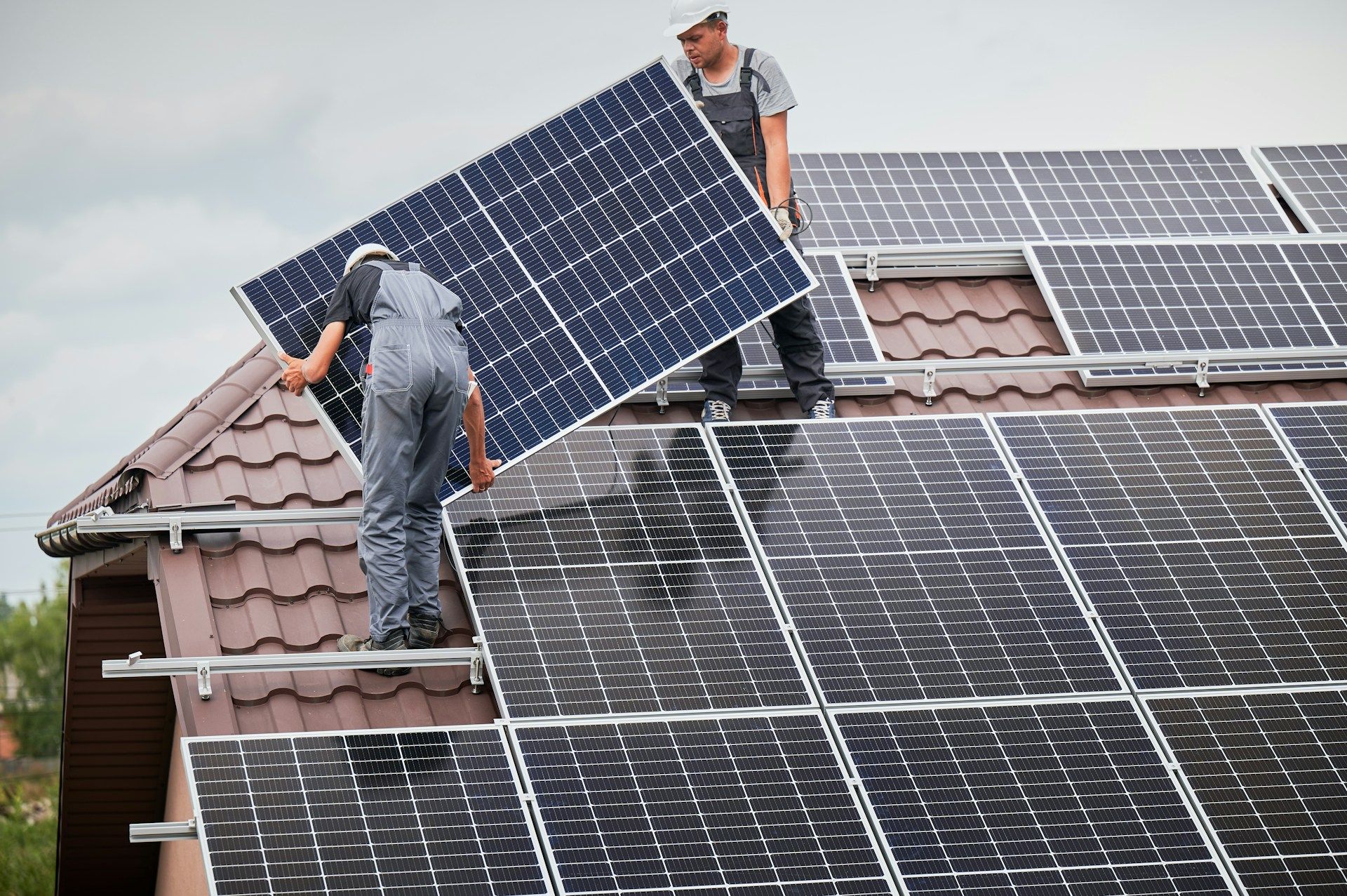
Rooftop solar in Hobart is a serious investment. Most homes are putting thousands of dollars into panels and expect them to quietly pay for themselves over many years. That only works if the system stays safe, clean and working the way the installer intended.
Pigeons and other birds can quietly undo a lot of that value. When they set up home under your panels, they bring droppings, nesting material, feathers and even food scraps. Over time this can stain and corrode metal, clog gutters, attract pests, and put pressure on cables and fixings.
That is why pigeon proofing for solar panels is starting to look less like a nice-to-have clean-up, and more like a key part of protecting warranties, insurance cover and long-term performance. In this article we use a before-and-after case-study-style comparison, a clear safety checklist, and technical explainer sections to help you protect your solar asset in Tasmanian conditions. You can also use these sections as a problem/solution video guide when planning homeowner education or maintenance videos.
Problem / Solution Overview (for Video or Guides)
Problem:
Hidden pigeon activity under rooftop solar in Hobart causes corrosion, wiring damage, blocked gutters and compliance risks that can affect warranties and insurance claims.
Solution:
Professionally installed, purpose-built solar mesh, ember guards and gutter protection that keep birds and debris out while maintaining airflow, access for installers and compliance with Tasmanian standards.
How Pigeons Can Affect Solar Warranties and Insurance
Most solar panel warranties and installer guarantees come with conditions. They usually expect that:
- The system is installed correctly and not altered in unsafe ways
- Safe clearances and airflow around the panels are maintained
- Wiring and mounting are not interfered with
- The owner takes reasonable care to prevent avoidable damage
When pigeons move in under the panels, all of that can be put at risk. Nesting birds can:
- Pack sticks and leaves around brackets and wiring
- Chew or peck at cable insulation
- Leave droppings that stay wet and acidic on metal surfaces
- Push debris into gutters and valleys
If you ever need to claim on insurance for a roof leak, damaged wiring or corrosion, the assessor will look at how preventable the damage was. If the area is clearly full of long-term nesting and there are no protective measures, the bird damage may be treated as something that should have been managed. That can lead to reduced payouts or arguments over who is responsible.
Comparison Guide: Unprotected vs Protected Solar Asset
Use this comparison-guide-style breakdown to understand how protection changes the risk profile of your solar investment.
Aspect
Before: No Pigeon Proofing
After: Professional Pigeon Proofing
Bird Access
Open gaps allow pigeons to nest under panels and around wiring.
Premium mesh blocks access while keeping safe clearances and airflow.
Wiring & Components
Higher risk of pecked insulation, pressure on cables and hidden faults.
Tidy, visible cable runs that accredited installers can inspect and service safely.
Corrosion & Debris
Droppings and nests trap moisture, increasing corrosion and gutter blockages.
Clean roofline, with less moisture retention and debris buildup around components.
Warranties & Claims
More questions about preventable damage and duty of care during claims.
Clear evidence of asset protection and reasonable care, supporting smoother claims.
Future Resale Value
Solar may appear as a maintenance risk on inspection reports.
Solar is more likely to be viewed as a well-managed, long-term asset.
Before & After Case Study: Two Hobart Solar Roofs
To show how this plays out in real life, consider these side-by-side scenarios.
Before (Unprotected System)
Panels were installed years ago and never checked for bird activity. Pigeons have built nests under the array. After a storm, some tiles shift and water tracks along chewed cables, and part of the system fails. During the assessment, the heavy bird mess and damaged wiring raise questions about maintenance and duty of care. Parts of the claim are put under scrutiny.
After (Protected Solar Asset)
Same style of roof, but a professional, purpose-made solar mesh system is fitted neatly around the panels. Bird access is blocked, airflow is open, and the owner has stored simple records of inspections. If storm damage does occur, the assessor sees a clean, protected array and a clear effort to reduce preventable risks, which makes the claim process smoother and faster.
In both cases the storm caused the event, but the prevention steps around bird damage changed the conversation and helped protect the long-term value of the solar investment.
Side-by-Side Before vs After Visuals (Suggested)
For homeowner guides or problem/solution videos, use or create side-by-side visuals:
- Before Image: Low-set panels with visible gaps, nests, droppings on gutters and staining on fascias.
- After Image: Same roofline with premium mesh around the array, clean gutters, and clearly accessible cable runs.
Presenting these visuals alongside the case study above reinforces the asset-protection angle and makes the investment benefit easy to see.
Before and After Solar Protection on a Hobart Roof
The difference between an unprotected system and a well-protected one is usually obvious long before you climb a ladder. It shows up in smell, staining and the general feel of the roofline.
Before: Unprotected Hobart Roof
On an unprotected Hobart roof, you may see:
- Panels sitting low over tiles with open gaps all around
- Pigeon nests jammed into every corner under the frame
- Droppings streaking down onto the guttering and fascia
- Rust starting at gutter joins and around downpipe entries
- Leaves, feathers and twigs piled around mounting points
Under the panels it can be even worse, with damp nesting material holding moisture against metal and wiring, and insects or rodents moving in.
After: Professionally Bird-Proofed and Ember-Guarded Roof
Now compare that to a similar roof that has been professionally bird-proofed and ember-guarded:
- A neat line of premium mesh around the solar array, fixed to the frame not the roof surface
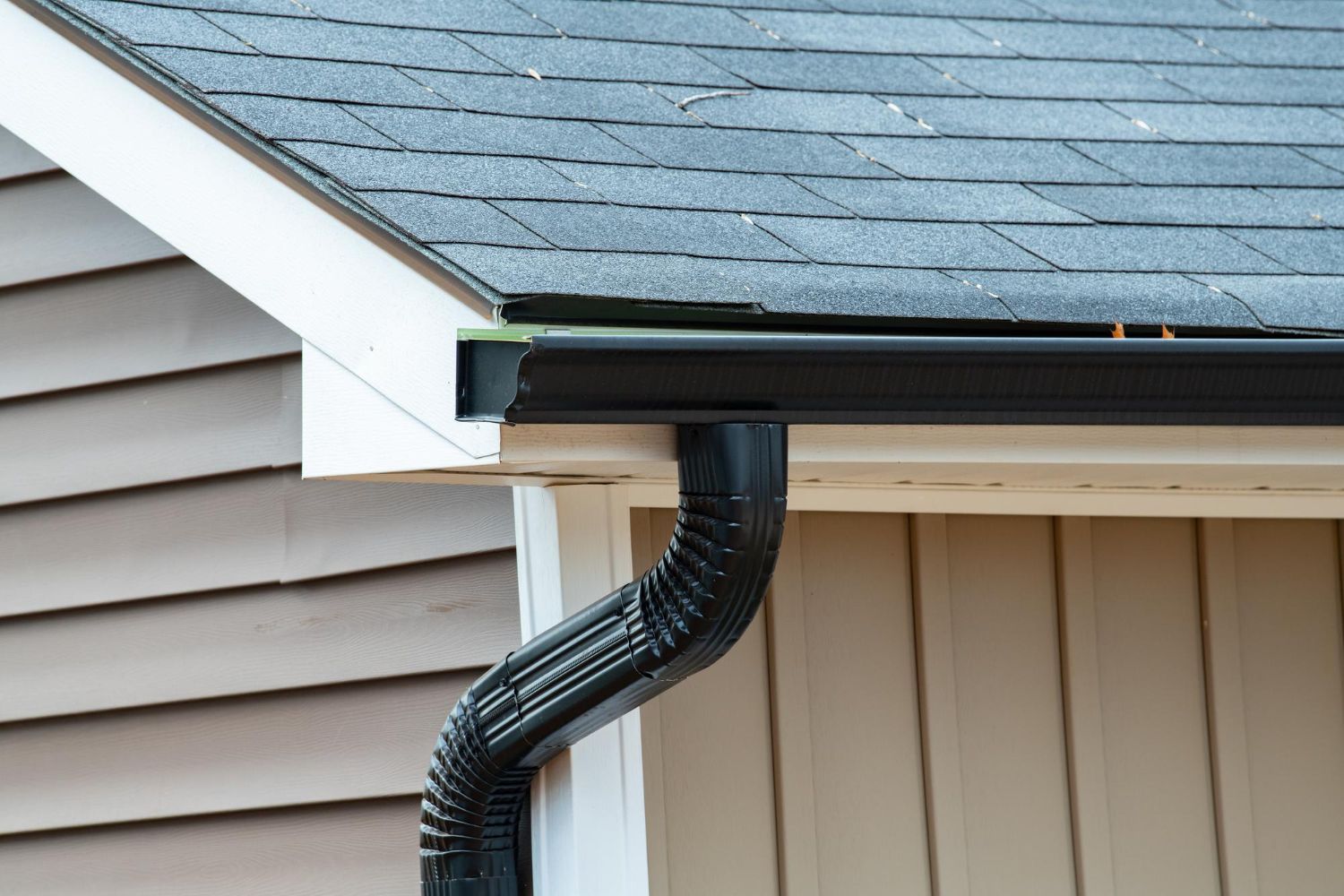
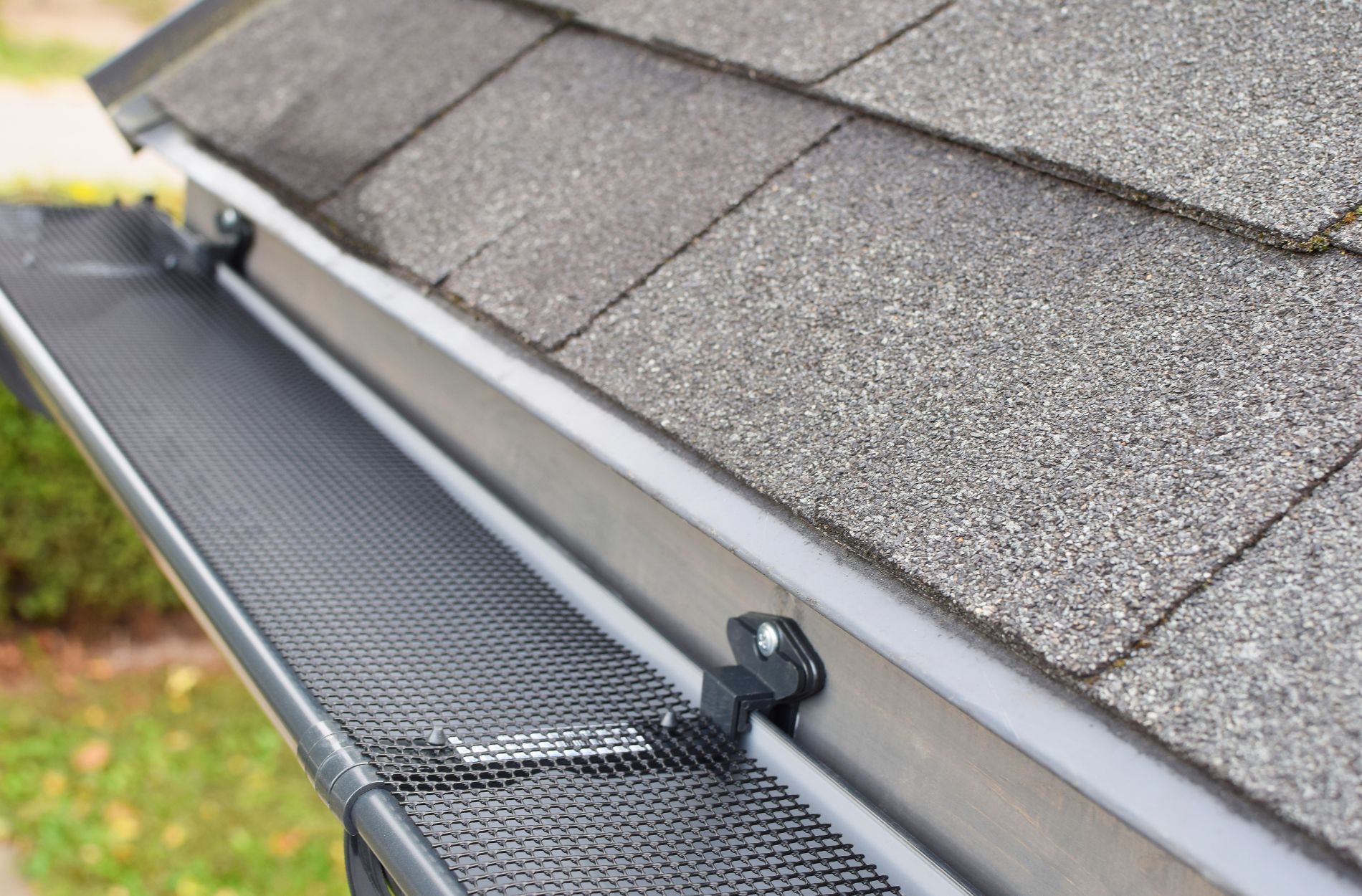
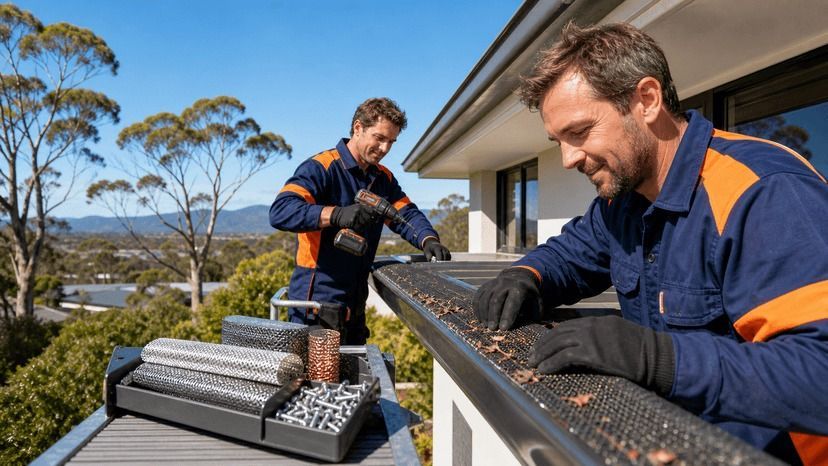
- Clean gutters with fitted gutter guards keeping leaf litter out of the system
- No gaps large enough for birds to enter under the panels
- Tidy, visible cable runs that an accredited installer can inspect and work on safely
- Open airflow under the panels so heat can escape and moisture does not sit
This kind of before-and-after shift does more than make the roof look tidy. It changes the way the property is viewed as an asset. A clean, well-protected solar setup gives:
- More confidence to future buyers
- Fewer red flags during building and electrical inspections
- Stronger evidence of responsible upkeep if a warranty or insurance issue ever comes up
In short, the solar system moves from being a question mark on the report to a clear positive investment feature.
Technical Explainer: Compliance, Safety and Installer Requirements in Tasmania
Any time you add something around a solar system, you need to think about safety rules and installer guidelines. In Tasmania, electrical safety standards, local council rules and manufacturer instructions all sit around your panels and roof.
Some DIY add-ons can cause problems, for example:
- Mesh cable-tied through panel backing sheets or around wiring
- Materials that trap water or debris against the roof surface
- Fixings that interfere with the mounting system or drainage paths
These kinds of fixes can create new hazards and even void parts of your system warranty.
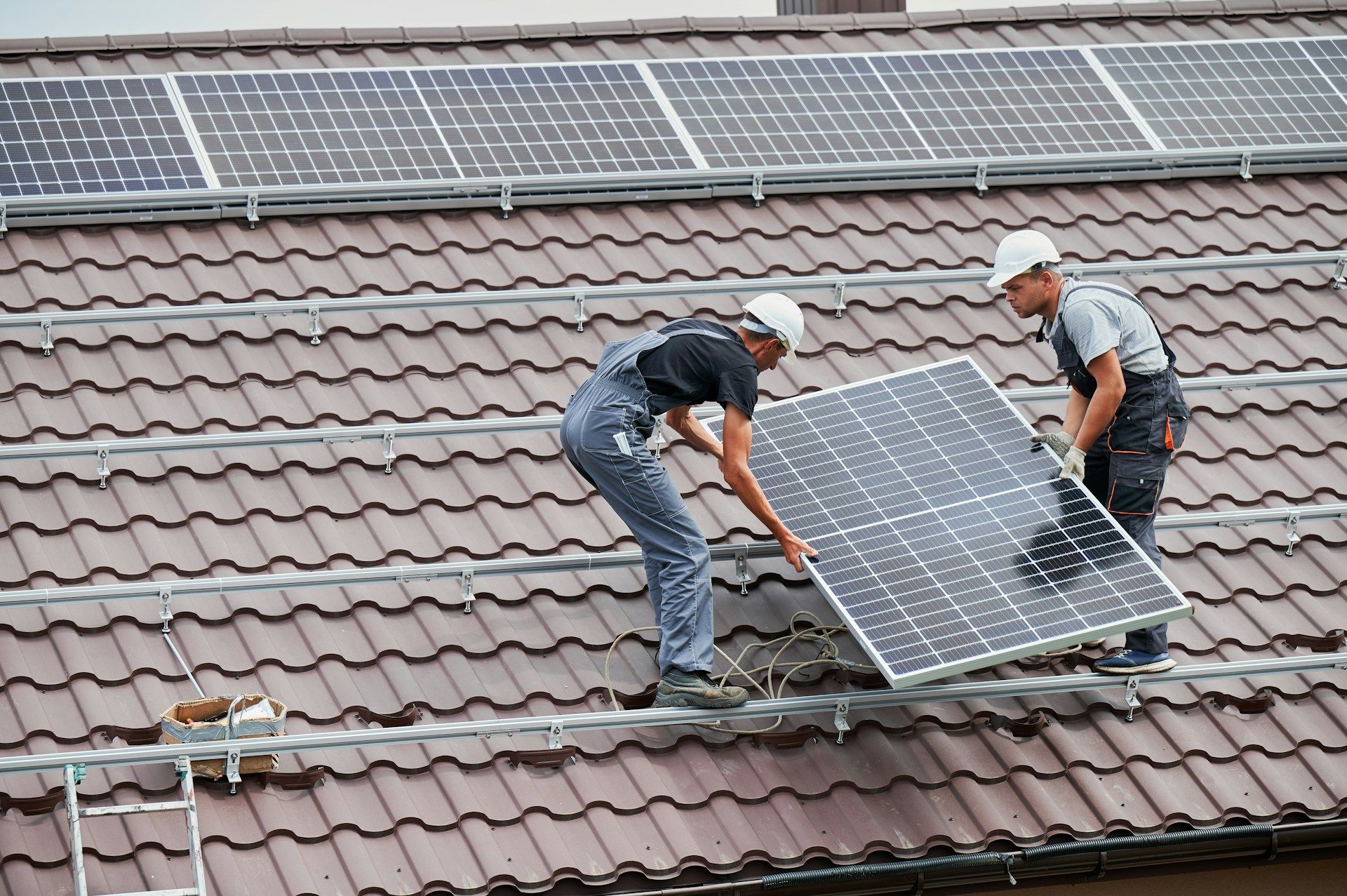
Professionally designed pigeon proofing for solar panels is different. Purpose-built solar mesh systems are made to:
- Attach to the panel frame, not the panel face or roof tiles
- Keep a safe gap so airflow is not blocked
- Avoid contact with wiring and junction boxes
- Allow installers to remove sections for servicing if needed
Many reputable installers around Hobart now encourage or recommend compatible bird proofing, especially for homes near the coast, near waterways, under flight paths, or in leafy or higher fire-risk suburbs. For them, it is about long-term performance and safety, not just keeping the roof neat.
Storms, Embers and Roof Fire Risk in Hobart
Tasmania’s weather can flip from calm to wild quickly. Roofs have to deal with strong wind, heavy rain, salt air in some areas, and periods of higher fire risk. Debris under and around solar panels can turn simple bird activity into a storm and ember problem.
Risk Profile: Before Protection
Without protection, a typical risk profile looks like this:
- Spring pigeon nesting fills the gaps under panels with sticks and straw
- Autumn leaves collect in gutters and valleys close to the solar array
- Droppings mix with dust to create a sticky layer that holds even more debris
- Gutters slowly block, so heavy rain spills over the front edge and into fascias or eaves
- On hotter, windy days, dry nests and leaves become extra fuel on the roof
Risk Profile: After Protection
With solar protection combined with ember guards and gutter guards, that risk picture changes:
- Mesh around the panels keeps pigeons from nesting underneath
- Ember guard and gutter guard systems reduce the fuel load in gutters
- Drainage paths stay clearer, so water flows where it should
- Accredited technicians can safely access and clean problem spots during routine checks
Ground-Level Safety Checklist for Homeowners
For homeowners, a simple ground-level safety checklist helps between professional inspections:
- Watch for regular bird activity around the edges of your panels
- Look during rain to see if water is spilling over gutter fronts
- Check for staining, rust marks or green growth around gutter joins
- Notice any sagging or discoloured insulation visible near external cables
- If anything looks off, arrange a professional roof-level inspection rather than climbing up yourself
Solar Protection Checklist for Warranties and Claims
Treating solar as an asset means building a paper trail and a clear protection plan. A straightforward checklist might include:
- Confirm with your installer and insurance policy documents what they expect in terms of protecting panels, wiring and gutters from animals and debris
- Ask which forms of pigeon proofing and gutter protection they are happy to work with
- Arrange periodic inspections by a qualified technician to check the panels, mounting, bird proofing and gutter guards
- Make sure any added mesh or guards do not touch wiring or block drainage paths
- Keep records such as invoices, dates of inspections, and photos showing before and after upgrades
Quick Comparison: No Proofing vs Professional Proofing
- No Proofing: Higher risk of corrosion, wiring faults, blocked drainage, more chance of disputes during claims, and more questions from buyers or building inspectors.
- Professional Proofing: Cleaner roofline, more predictable system performance, a clearer compliance story, and a stronger position when speaking with insurers or future buyers.
With this mindset, your solar system stops being a set-and-forget appliance on the roof. It becomes a managed, documented part of your home that you can point to with confidence during any inspection, sale or claim.
Locking in Long-Term Value with Local Protection
Solar on a Hobart home is more than a way to lower power bills, it is a long-term asset that sits out in the weather every day. Pigeons, embers and debris might seem like small annoyances, but they can quietly chip away at that asset and complicate warranty and insurance conversations.
By moving from an unprotected, bird-friendly roof to a professionally proofed, well-documented system, you increase safety, keep performance more stable and show clear care for your investment. Local specialists like Hobart Gutter Guard Co work with Tasmanian conditions in mind, bringing together pigeon proofing for solar panels, ember guards and gutter protection to support the long-term value of your roof and the solar system on it.
These problem/solution examples, checklists and before-and-after comparisons can also be adapted directly into homeowner education videos, giving you a clear structure to explain why solar protection is an essential part of protecting a valuable asset, not just routine maintenance.
Protect Your Solar Investment And Keep Pigeons Away
If you are ready to stop pigeons nesting under your panels and protect your roof, our team at Hobart Gutter Guard Co can help. Learn how our specialised
pigeon proofing for solar panels keeps your system efficient, clean and compliant with warranty conditions. Reach out today to discuss your property and get a tailored solution, or
contact us to book an inspection.
Get a Free Measure and Quote
- No More Cleaning Blocked Gutters
- Keep Out Birds, Leaves & Debris (100% Bird Proof Gutters)
- Protect Your Gutters & Home From Costly Water Damage and Fire Threats
- Gutter Guard & Ember Guard
- Free Gutter and Solar Panel Clean With New Installs