
Hobart Gutter Guard Co Blog
How Pigeon Proofing Solar Panels Prevents Roof Drainage Damage in Hobart
Stop Pigeons Before They Destroy Your Roof Drainage
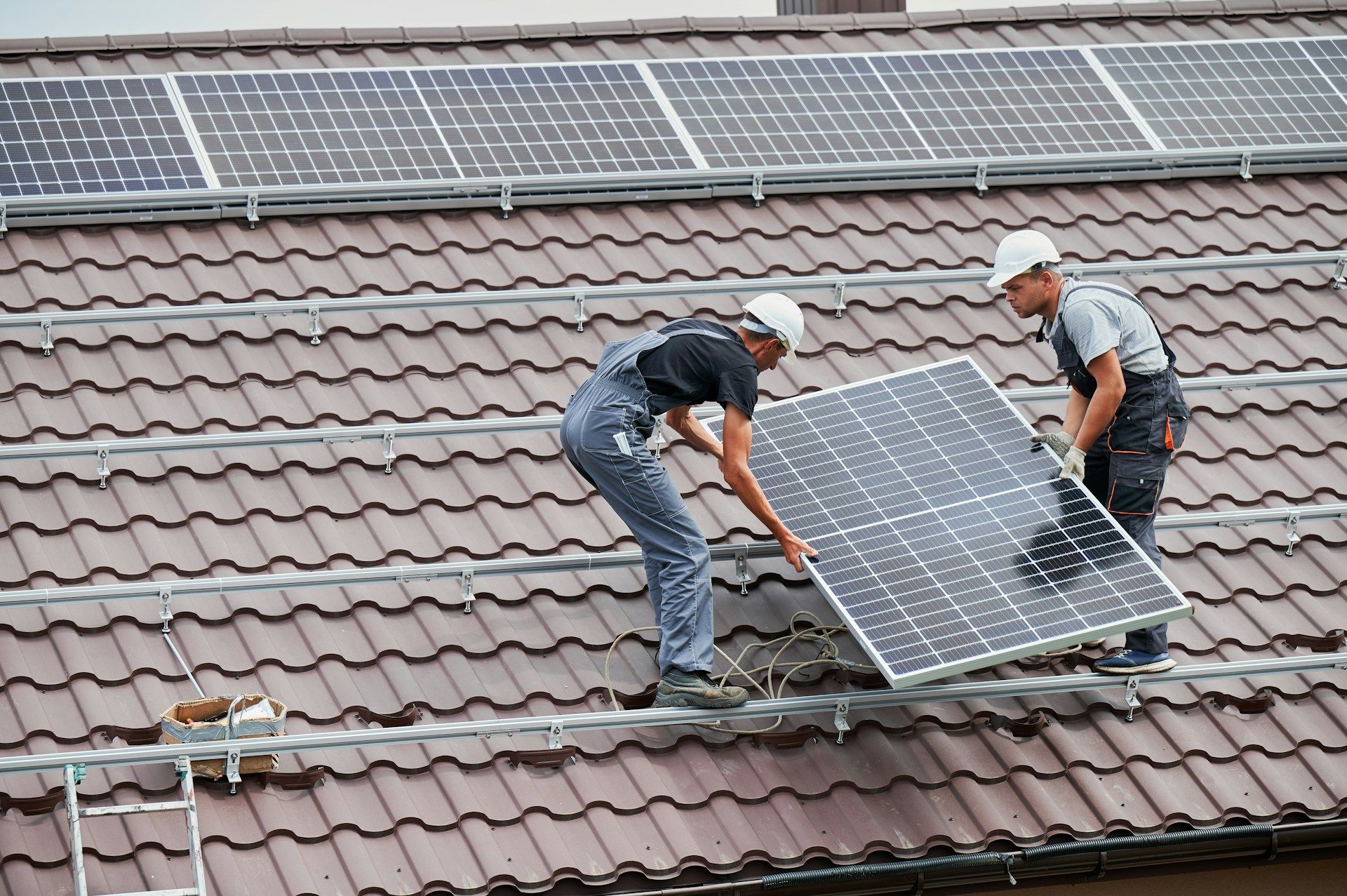
Pigeons love solar panels. The warm gap under the panels is dry, hidden, and safe from wind, so it quickly becomes a nesting spot. Across Hobart, Launceston, and the rest of Tasmania, more homes are adding solar, which means more roofs turning into bird hotels just as spring rains begin to build.
What many homeowners do not see is how those nests affect the whole roof drainage system. The panels, roof, gutters, valleys and even your ceilings all work together as one asset. When pigeons move in under the solar array, they do not just make a bit of noise; they start to put your roof and guttering at risk and quietly erode the value of your property.
Pigeon proofing for solar panels is not only about keeping things tidy. Done properly, it cuts off the main source of nesting debris and droppings that block gutters and roof valleys, which helps stop water from backing up into the house and reduces emergency callouts during heavy rain. That means better protection for your roof drainage investment over the long term.
How Pigeons Turn Solar Panels Into Drainage Nightmares
Under a solar panel, pigeons build thick nests out of anything they can carry. On Colorbond and tile roofs, we often see layers of:
- Twigs and sticks
- Dry grass and leaves
- Feathers, droppings and broken eggs
- Dead chicks and old carcasses
All of this builds up against the panel frames, in the valleys between roof sheets, and above the gutters. When the first decent rain hits, that mess washes down the roof and heads straight for the gutters and downpipes. Gutters that were once clear now fill with soggy nests that sit like a plug over outlets and spread along the run.
Once those outlets are blocked, water stops flowing away properly. It can be forced back under metal roof sheets or under tiles, then into the sarking and roof space. From there it can show up as:
- Stained ceilings
- Damp insulation
- Soft or swollen plasterboard
Tasmanian roofs also have to deal with sharp, fast downpours and salty coastal air. When you combine that with acidic pigeon droppings, metal gutters and fascias start rusting much sooner. Rust holes and weakened brackets then make overflows even worse, so a small bird problem quietly turns into ongoing roof damage and premature failure of key building components.
Protecting your roof drainage from this kind of damage is about more than avoiding mess, it is about safeguarding one of the most important parts of your home’s structure.
Why Pigeon Proofing Solar Panels Protects Gutters and Valleys
When we talk about pigeon proofing for solar panels, we are talking about stopping birds from getting under the panels in the first place. By sealing that gap, we stop:
- Fresh nesting material from collecting in roof valleys
- Droppings from washing into gutters every time it rains
- New nests forming as old ones are removed
Once the pigeons are locked out, the roof can start working the way it was designed. Valleys are clearer so water follows the correct path to the gutters. Gutters stay open and can move big bursts of rain without constant overflows. That means less water backing up into eaves, wall cavities and insulation where it can quietly rot timber and feed mould.
From an investment point of view, this is about protecting the whole system. A one-off solar panel skirting job can help reduce:
- Repeated roof and gutter cleaning and associated callout costs
- Plaster and paint repairs from stains and leaks
- Early gutter replacement due to rust and bird damage
Over the life of your solar array, keeping pigeons out supports the long-term health and value of your gutters, valleys and roof framing, as well as the performance of the panels themselves.
Gutter Replacement: Before & After Case Study
Before: Pigeons, Blocked Gutters and Hidden Structural Risk
In one Hobart home, pigeons had been nesting under a roof-mounted solar array for several seasons. The owners noticed overflow in heavy rain but had not yet seen major leaks inside.
Before Photo (Left):
Degraded, stained gutters with visible rust along the front edge. The gutter run below the solar array is warped and sagging. Downpipe outlets are partially blocked with old nests and debris washed down from under the panels. Bird droppings and contamination are visible along the fascia.
On inspection, we found:
- Gutters packed with nesting material at each outlet
- Brackets bending under the extra weight of wet debris and standing water
- Advanced rust where droppings and trapped water had sat for months
- Early signs of moisture damage in the fascia boards behind the gutter
At this point, cleaning alone would not protect the asset. Sections of guttering had lost their structural integrity, putting the roof drainage system and surrounding timber at continued risk.
After: New Gutters Protecting the Roof Drainage Investment
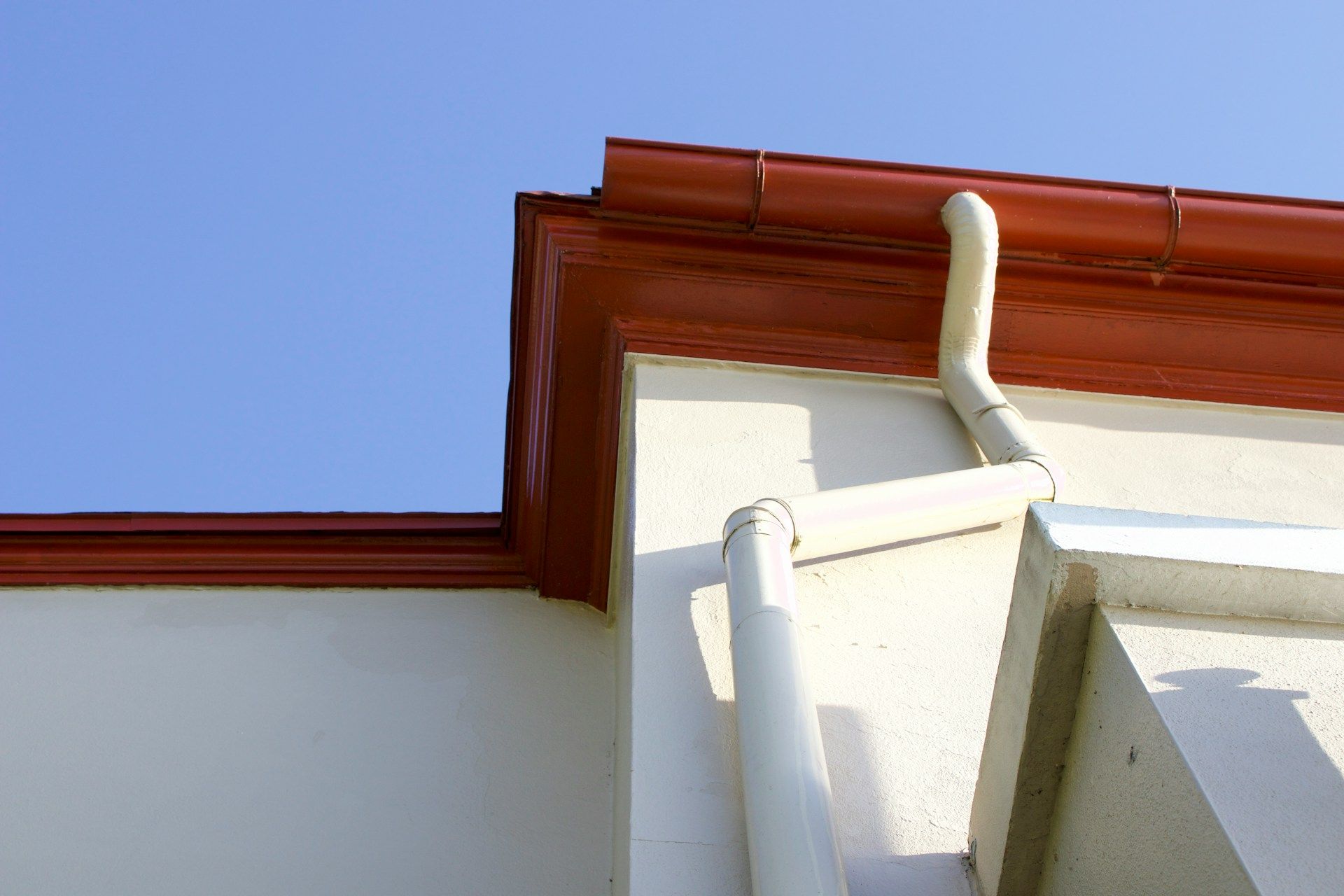
We removed the damaged gutters and replaced them with new Colorbond gutters, correctly pitched to the downpipes and fixed with new brackets.
After Photo (Right):
Clean, modern gutters with a straight, sharp edge that lifts the street appeal of the home. Outlets are clear, downpipes are unobstructed, and there is no visible bird contamination. The fascia line appears even and protected.
Key asset protection outcomes:
- Restored full drainage capacity to handle sharp Tasmanian downpours
- Reduced risk of water ingress into eaves, wall cavities and foundations
- Protected fascia boards and roof framing from ongoing moisture exposure
- Improved overall presentation and value of the property
By pairing this gutter replacement with solar pigeon proofing (see the skirting section below), we helped ensure the “after” condition will last longer, delaying the need for future replacement and protecting the homeowner’s investment in both their solar and roof drainage systems.
When Clogged Gutters Become Costly Roof Damage
A little bit of nesting mess in the gutter might not look serious at first. Left alone though, it tends to follow a clear pattern.
First, the gutter starts overflowing in heavy rain. Water spills over the front and runs down walls or pools beside the house. Over time you may notice:
- Sagging gutters as brackets bend under the extra weight
- Rust patches where bird droppings and standing water sit
- Flaky paint and soft timber on fascia boards
Inside, regular leaks can lead to mould on ceilings, swollen cornices and musty smells in rooms. What started as bird mess under the panels has now become a structural issue that affects comfort, safety and property value.
When gutters reach this point, replacement is more than just a repair. New Colorbond or aluminium gutters can give the home a clean, sharp edge and better drainage performance. Side-by-side Before & After Photos clearly show the change:
- Before: Stained, warped gutters with bird contamination and visible rust.
- After: Fresh, correctly pitched gutters with clear outlets, sound brackets and no sign of nesting.
Pairing new gutters with solar pigeon proofing helps keep that “after” result for longer. By stopping nests at the source, the new system is far less likely to clog, sag or rust out before its time, protecting the long-term value of the roof drainage system.
Is Your Gutter Guard and Ember Guard Ready for Storm Season?
Many Tasmanian homes already have gutter guard or ember guard in place, especially in bushfire-prone and leafy areas. The question is, are those products still protecting your home or are they actually making pigeon problems worse and undermining your asset protection plans?
What Should You Look for in Your Existing Guards?
Helpful questions to ask include:
- Are your gutter guards packed with sticks, feathers or droppings?
- Is water flowing through the guard or just running over the front in heavy rain?
- Are ember guards around valleys and vents still intact and firmly fixed?
- Are there any signs of rust, sagging mesh or gaps where birds can enter?
Which Gutter Guard Types Protect Best Against Pigeon Debris?
Comparison guide:
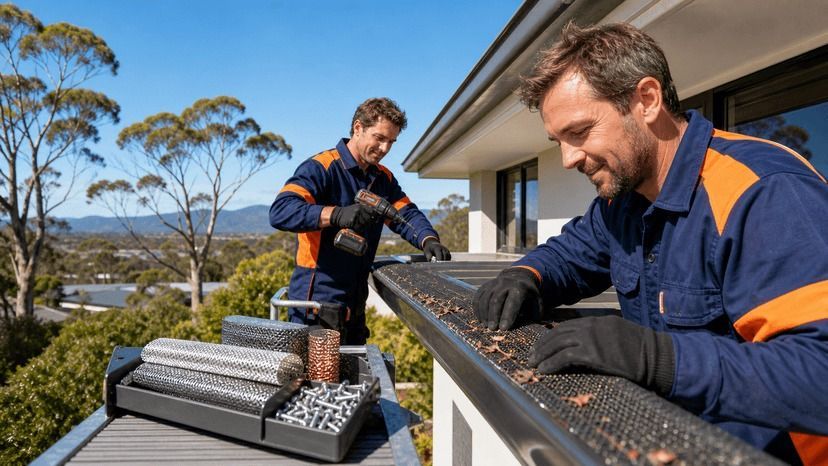
- Fine Steel Mesh (Professionally Installed): Designed to stop small leaves, embers and most nesting material; resists UV damage and coastal conditions better than plastics; supports both fire safety and long-term gutter performance.
- Cheap Plastic Clip-on Guards: Can sag, trap nests and split in the sun; often create pockets where pigeon waste and moisture sit; shorter lifespan, increasing long-term maintenance costs.
- Poorly Fitted or Partial Guards: Leave entry points for birds and debris; allow waste to build up in hidden sections and rot the gutter below.
Gutter Guard & Ember Guard Safety Checklist
Use this quick checklist to assess whether your guards are still protecting your property:
- Are all guard sections firmly secured without gaps or lifting edges?
- Is mesh intact with no torn, brittle or missing sections?
- Do gutters drain freely during heavy rain without water spilling over?
- Are there no visible nests sitting on top of the guard or caught at outlets?
- In bushfire-prone areas, are ember guards still sealed around valleys and vents?
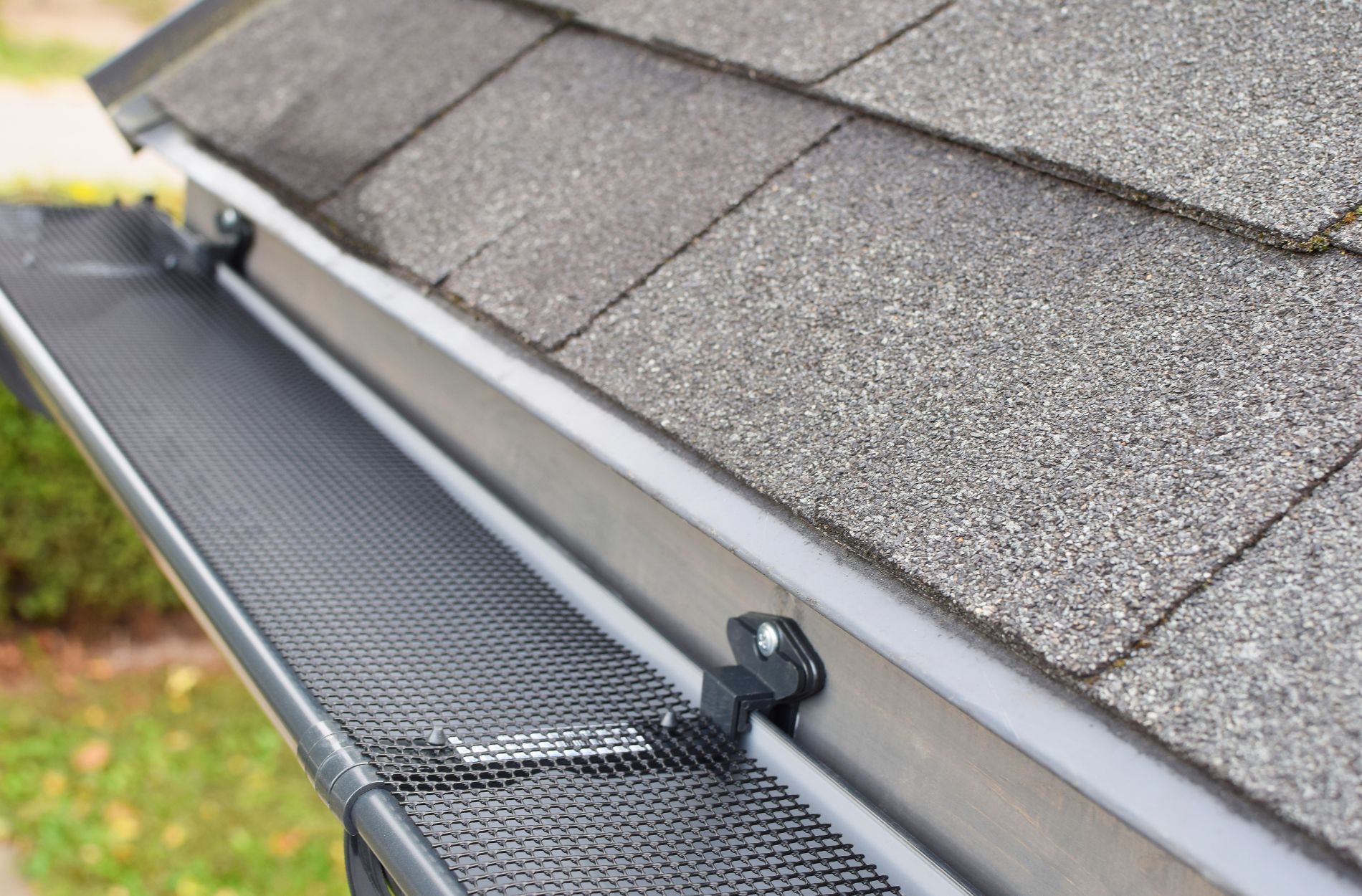
Once the nesting source under the panels is removed, quality gutter guard and ember guard can really shine. They help keep gutters clear of leaves and leftover bird debris, so the drainage system stays open. At the same time they support better fire safety by reducing fuel build-up in gutters and roof valleys, protecting your home as a long-term asset.
Solar Panel Skirting: Problem/Solution Explainer
What Problem Does Solar Panel Skirting Solve?
Solar panel skirting is designed to solve one core problem: birds and pests accessing the gap beneath your solar array and turning it into a nesting zone. Without skirting, that gap becomes a constant source of:
- Nesting material washing into valleys and gutters
- Droppings accelerating corrosion on metal roofing and gutters
- Noise, odour and potential health concerns in the roof space
- Damage to wiring and insulation, risking system performance
Technical Solution: How Professional Solar Skirting Works
Solar panel skirting is a simple idea that needs careful, professional work to get right. We use custom-cut mesh or skirting that runs around the edge of each panel, closing the gap where pigeons usually enter.
Good skirting:
- Attaches to the panels without drilling into the frames
- Protects manufacturer warranties and system performance
- Uses the right mesh size to block pigeons while not trapping leaves
- Uses corrosion-resistant materials suited to Tasmanian coastal conditions
Visual: Before & After Skirting Installation
Before Photo:
Under-panel areas show thick nests, feathers, droppings and sometimes damaged wiring or chewed insulation. Roof valleys beside the array can be filled with a matted layer of sticks that holds water against the metal or tiles.
After Photo:
Clear roof sheets, open valleys and a sealed solar array edge with continuous skirting. Birds cannot access the gap, and there is no loose nesting material around outlets or in the valleys.
Why Skirting Is an Investment in Your Whole Roof System
In Tasmania, material choice also matters. Coastal conditions and frequent wet weather call for mesh and fixings that resist rust and UV damage. A professional installer can also inspect gutters, valleys and flashings at the same time, so hidden moisture issues are picked up early instead of after a ceiling stain appears.
Over time, this protects:
- The service life of your solar panels by reducing nesting-related damage
- Your gutters and valleys from repeated blockages and corrosion
- Internal building materials from slow, unseen water ingress
By treating solar skirting as part of a broader asset protection plan for your roof drainage, you reduce ongoing maintenance and protect the value of your home.
Protect Your Roof, Solar and Gutters Before Spring Rains Hit
As spring rain and wind pick up, small pigeon problems can turn into sudden leaks. The smartest time to act is before you hear scratching in the roof or see water marks on ceilings. Treating your solar array, gutters and roof drainage as one system gives a much better result than tackling each issue on its own.
With effective pigeon proofing for solar panels, well-fitted gutter and ember guards, and sound gutters and valleys, you are protecting:
- Longer-lasting gutters and fascias
- Lower risk of water ingress into ceilings and wall cavities
- Healthier roof timbers and insulation
- Clean, efficient solar panels without nesting or droppings
- A quieter, fresher roof space without constant pigeon noise and odour
- The long-term value and performance of one of your home’s major assets
At Hobart Gutter Guard Co, we focus on that bigger picture of asset protection for homes across Hobart, Launceston and wider Tasmania, so your roof, solar and guttering work together for the long term as a single, well-protected investment rather than a series of ongoing repairs.
Protect Your Solar Investment And Restore A Quiet Roof
If pigeons are nesting under your panels, we can help you stop the mess, noise and damage with our professional
pigeon proofing for solar panels. At Hobart Gutter Guard Co, we use durable materials and proven methods suited to Tasmanian conditions so your system keeps performing at its best. Reach out today and our team will assess your roof and recommend a practical, long-lasting solution, or simply
contact us to book an inspection.

Get a Free Measure and Quote
- No More Cleaning Blocked Gutters
- Keep Out Birds, Leaves & Debris (100% Bird Proof Gutters)
- Protect Your Gutters & Home From Costly Water Damage and Fire Threats
- Gutter Guard & Ember Guard
- Free Gutter and Solar Panel Clean With New Installs