
Hobart Gutter Guard Co Blog
Solar Panel Pest Protection for Hobart New Builds: Builder vs. Owner Checks
Are You Protecting Your New Build Solar From Day One?
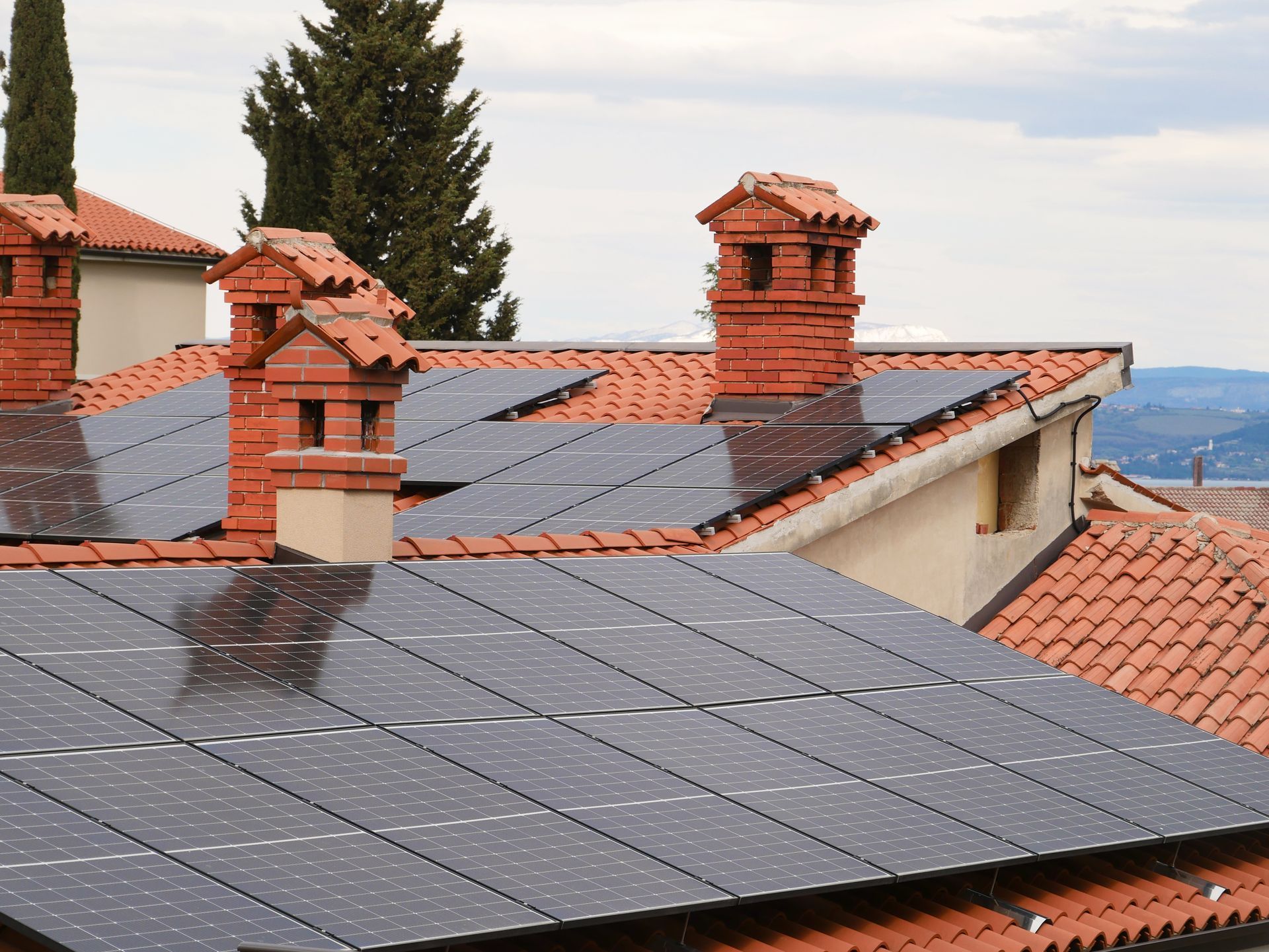
Solar is almost a default choice on new builds around Hobart and across Tasmania now. Roof space is planned for panels, wiring is allowed for in the design, and buyers are rightly thinking about long-term power savings. What often gets missed is what happens under those shiny new panels once the scaffolding comes down and the roof is out of sight.
From our view on Tasmanian roofs, the smarter mindset is simple: do not treat solar as something you will fix later with a quick clean. Treat it as a major asset and long-term investment that should be protected from day one. Birds, possums and wind-blown debris can move in under new panels very quickly, turning a fresh installation into hidden damage that can shorten system life and impact warranties.
That raises a key question: where does your builder’s responsibility stop, and where does yours begin, when it comes to solar panel pest protection? And just as important, what should you be checking at handover so your system protects its performance, its warranties and its safety over time?
Who Should Handle Solar Panel Pest Protection on Your New Build?
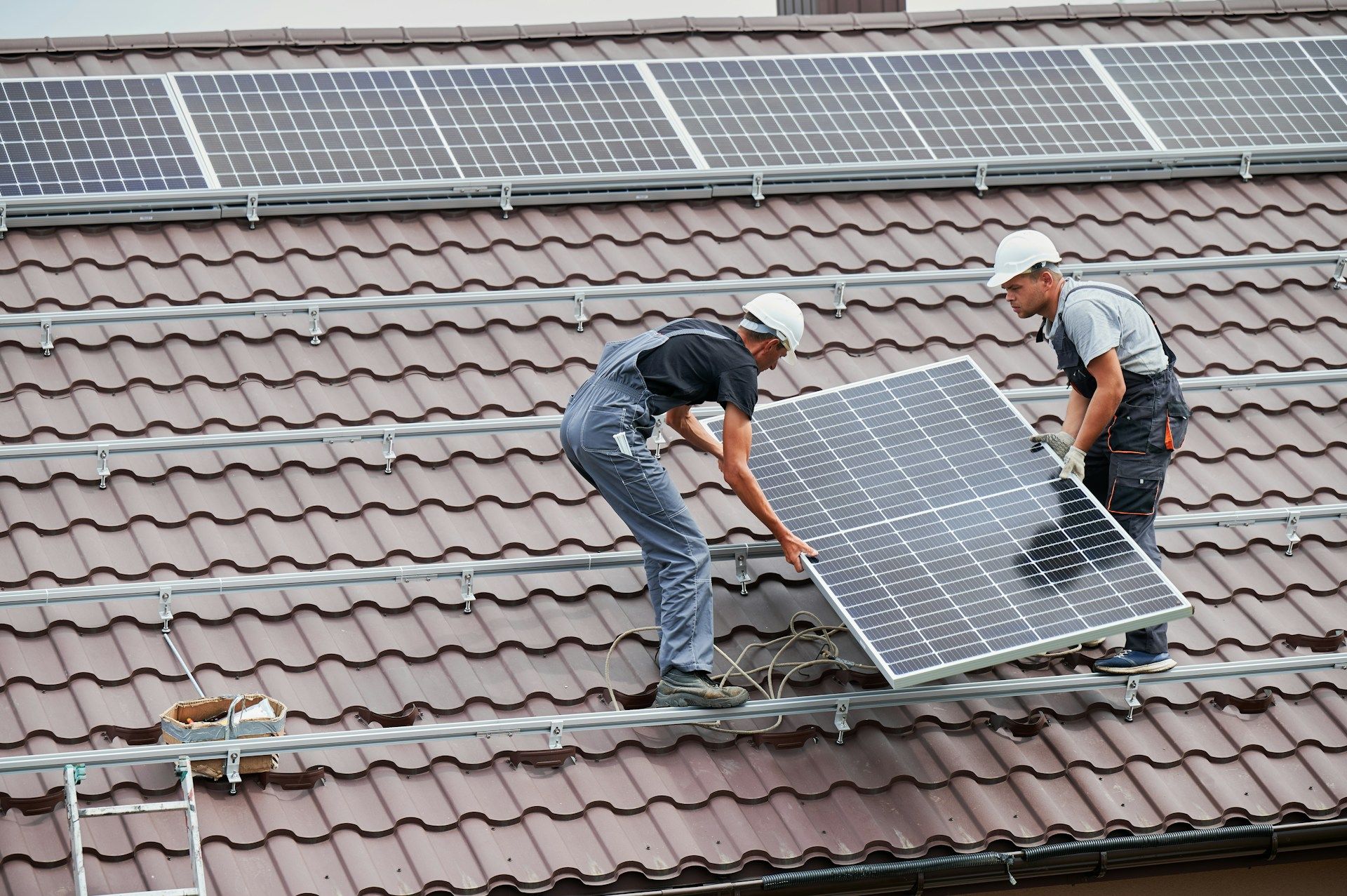
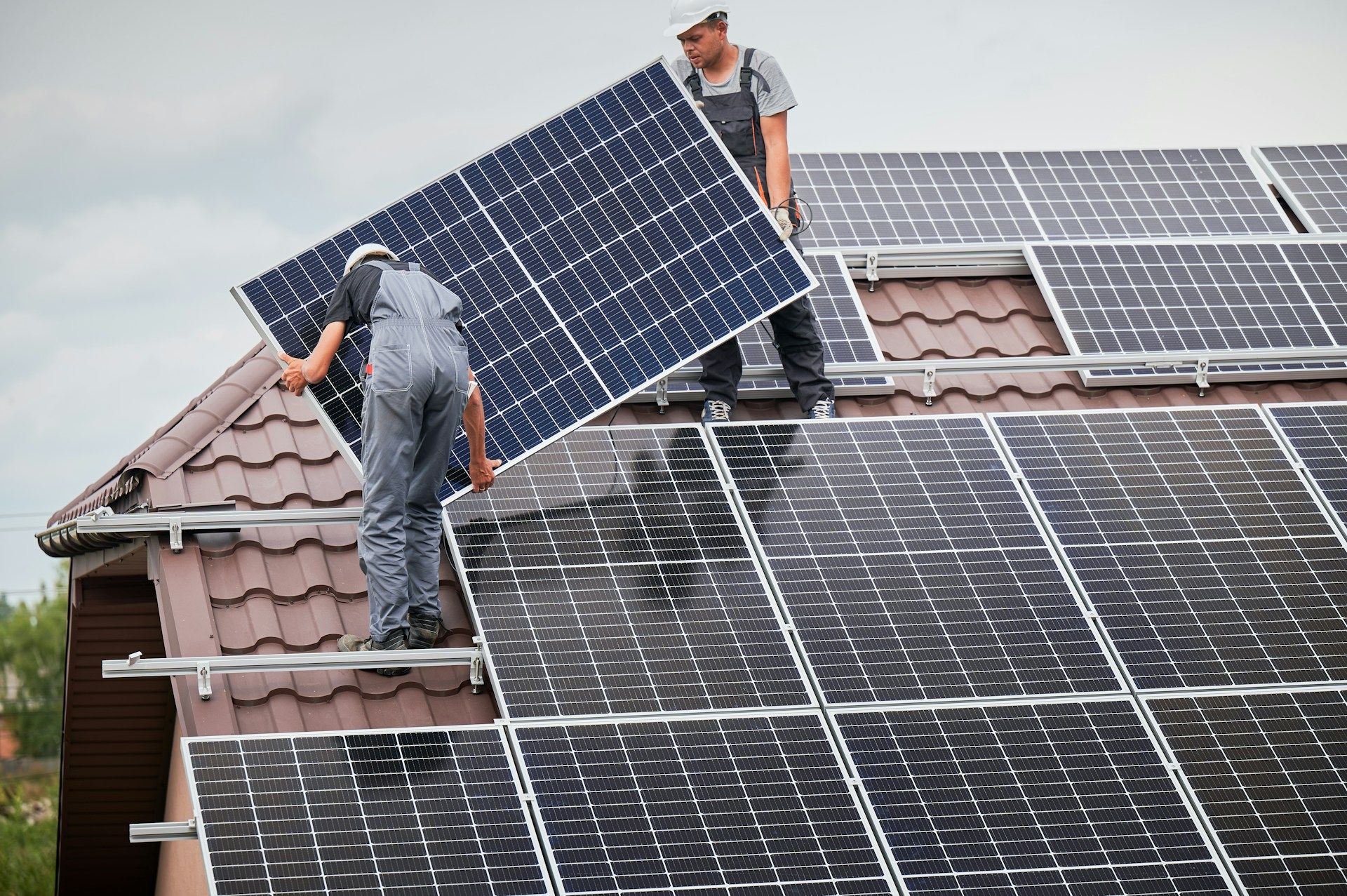
Most builders focus on the basics of solar readiness. That usually includes things like roof structure, the solar frame and fixings, and the electrical side so the system meets minimum standards. Pest protection like skirting and mesh is normally treated as a separate upgrade or a job for a specialist.
On many new builds, this creates a gap. If pest protection is left until after handover, you can end up with:
- Extra access costs for scaffolding or lifts
- Tricky re-work around existing wiring and junction boxes
- Young cables already exposed to birds and rodents
- More time on the roof, which means more risk in general
A better way for Hobart new builds is to treat solar panel pest protection as part of a shared asset protection plan. The builder handles:
- Solid fixing points ready for skirting or mesh
- Safe access routes for future roof work
- Pre-wiring that avoids panel edges where skirting needs to go
Then a specialist like Hobart Gutter Guard Co can design and install an integrated pest barrier around the panels. That way, the structure and wiring are ready, and the pest protection goes on smoothly with less disruption, less risk, and stronger long-term protection for your investment.
Are Pests Really a Long-Term Threat To New Solar In Hobart?
In short, yes. Local birds love the dry, sheltered gap under solar panels. Possums use roofs as highways, and leaf litter on windy days can collect under panel arrays even in new estates with only a few young trees. Leftover construction debris and open spaces around new homes only make it more inviting.
Here is a simple before-and-after case study that we often see play out and that can be supported visually with side-by-side photos:
- Before (exposed investment): a six-month-old new build on the edge of Hobart, panels installed at handover, no pest protection. Birds start nesting under the lower edge. Droppings stain the roof, nesting material piles up, and small chew marks appear on exposed insulation. Performance checks show hot spots where airflow is blocked and debris sits against the back of the panels. The asset is already at risk.
- After (protected asset): skirting and mesh are installed neatly around the array. Nests are safely removed, gaps are closed, and wiring is shielded. Air can still move through, but pests and debris cannot get in. Output settles, the roof stays cleaner, and the system is set up for long-term, lower-risk operation. A clear photo contrast between pest/debris buildup and the clean, finished protective install helps make this visible at a glance.
There is also a fire and weather angle, especially as Tasmanian conditions shift between wet, windy and very dry. Trapped leaf litter and nesting materials under panels can increase fire risk during hot, dry spells. The same material can hold moisture against the roof and fittings after rain, which can speed up wear of metal and fixings far earlier than most owners expect. Thinking in terms of asset protection, these are avoidable risks to your roof and solar investment.
What Should Be in Your Solar Handover Safety And Asset Protection Checklist?
When you walk through your final inspection, it helps to treat the roof and solar like an asset that needs a proper, safety-focused sign-off, not just a quick glance from the driveway. Use a simple handover checklist to protect your investment:
Solar and Roof Safety Checklist At Handover
Ask your builder or installer to confirm:
- Visible cabling routes that look tidy, secure and protected from likely pest traffic
- Junction boxes firmly mounted with no loose covers
- Roof fixings and flashing that look well seated, not rough or patched
- No obvious open gaps under panel edges where a bird could slip in
- Rail layout that allows clear fixing points for future skirting or mesh
It can also help to mentally compare two versions of your system, just as you would in a comparison guide:
- A standard install (higher future risk): open panel edges, exposed gaps where rails meet the roof, conduit that might cross where skirting would need to attach later.
- An install planned for pest protection (lower future risk): clear rail spacing, obvious fixing points for skirting, conduit neatly routed so it does not clash with future mesh.
On the paperwork side:
- Photos of the roof and panels before and after installation (these also form a visual record of your asset’s condition)
- Product information for mounting hardware and any existing protection
- Notes confirming the system is ready for skirting or mesh without voiding warranties
It is also worth asking directly about exclusions. Make sure you understand whether pest-related damage is covered, or if it is listed as something that sits outside the basic install, so you can plan protective upgrades accordingly.
Why Does Pre-Wiring and Skirting Planning Protect Your Investment And Save You Thousands?
Pre-wiring for skirting is all about thinking ahead while the house is still being built. When cables, conduits and rails are placed with future skirting in mind, pest barriers can be added without drilling into panels or risking roof leaks. The best time for this thinking is during the frame or roofing stage, when small changes are easy and low-cost.
That forward planning can pay off in a few big ways:
- Fewer risky rooftop call-outs for urgent nest removal or reactive cleaning
- Less chance of electrical faults from chewed insulation or trapped moisture
- More consistent airflow and less shading under panels, which supports better output over time and helps protect system warranties
Consider two homes with the same size solar system as a simple comparison guide:
- Home A (reactive maintenance): no planning for skirting. After a few years, birds move in under the panels. When pest protection is finally added, the installer has to work around tight cables, bring in extra access equipment and deal with minor damage that has already begun. The owner pays more and takes on more risk to bring the system back to a safe baseline.
- Home B (planned asset protection): the builder and installer planned for skirting from day one. Cables avoid the panel edges, rails have clear fixing points, and access is straightforward. The pest protection goes on quickly when the system is commissioned, with minimal disruption and lower cost. The solar system, roof and guttering are treated as an integrated asset from the start.
The second approach treats pest protection as part of the system’s design and investment strategy, not a patch later on.
How Can Builders and Homeowners Share A Solar Asset Protection Plan?
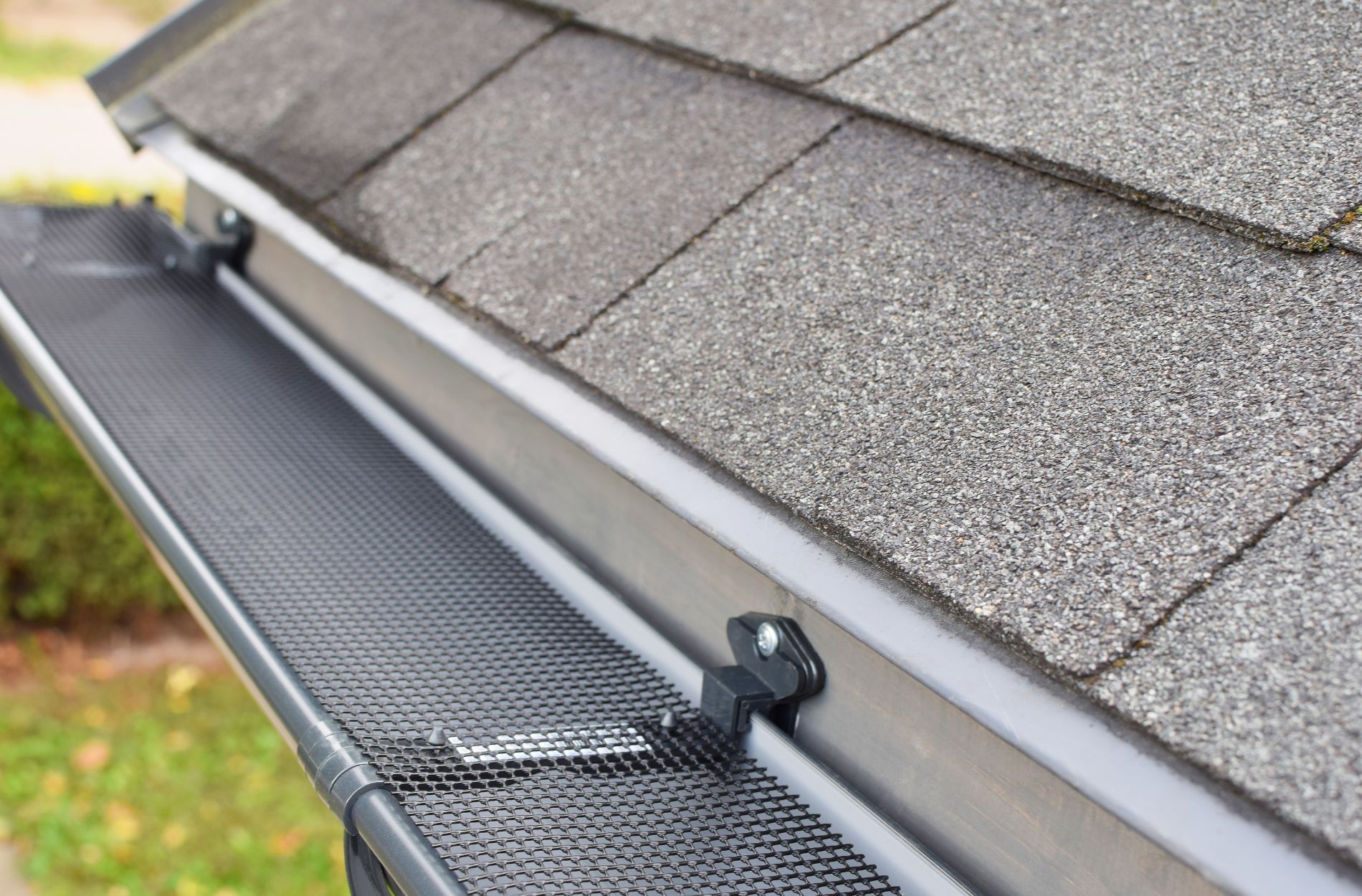
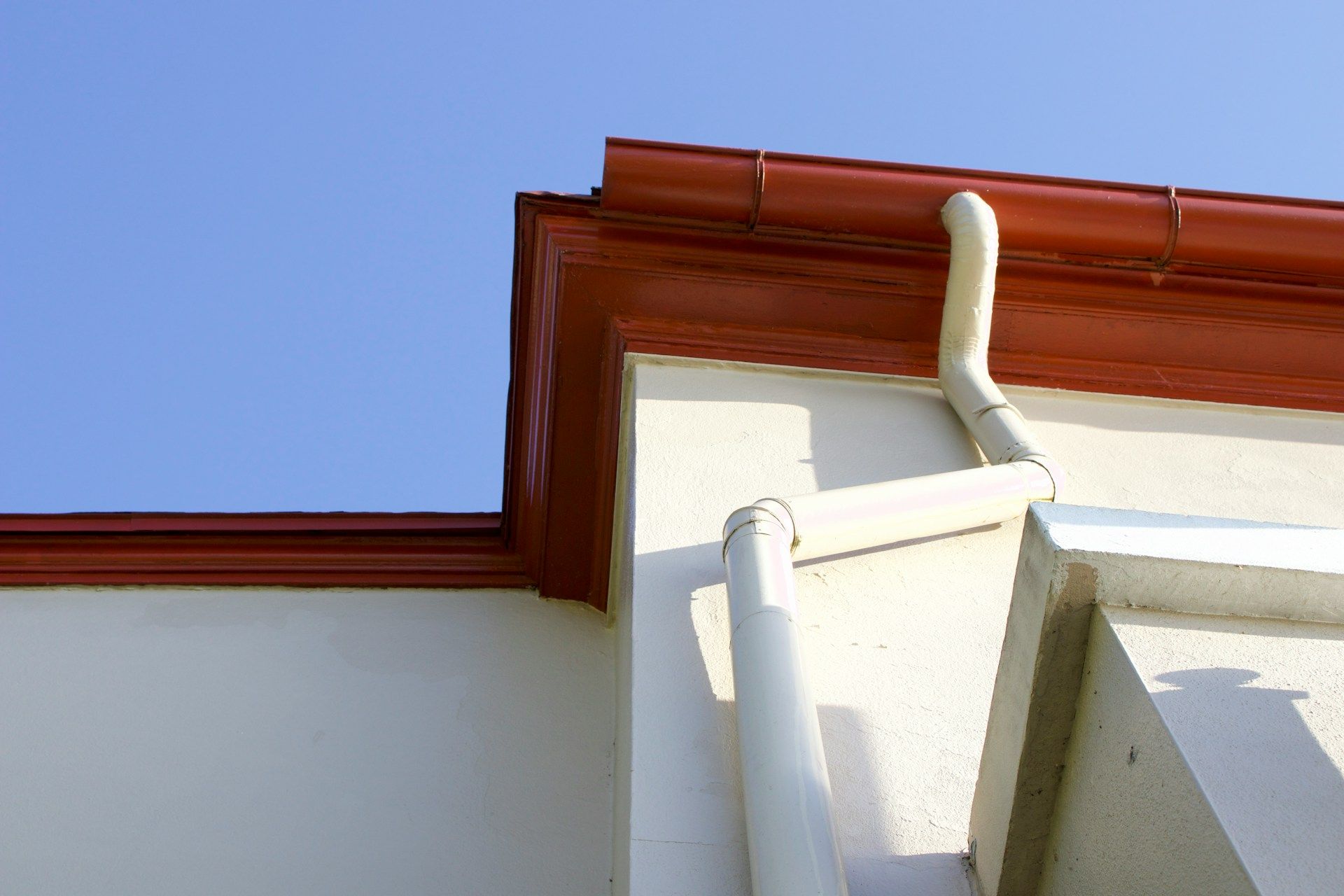
The easiest way to avoid finger pointing later is to agree early that solar panel pest protection sits inside a broader asset protection plan. For many new homes, this can sit alongside gutter guards, ember guards and general bird-proofing as one integrated roof and solar protection package.
A simple shared workflow might look like this:
- Design stage: panel layout, roof access points and notes like “pest protection ready” are added to the plans. This is also where you note any preferred gutter guard or ember guard systems so they work together visually and technically.
- Contract stage: inclusions and optional upgrades are clearly listed, so everyone knows if pest skirting is included now or allowed for later as part of an asset protection bundle.
- Handover stage: the builder signs off that the structure and wiring are ready, and the homeowner then engages a specialist to complete the final pest-proofing install before pests have a chance to move in.
Done well, this approach helps builders avoid repeat trips onto finished roofs, and helps homeowners enjoy safer, cleaner, better performing solar systems as they move into their new home and through changing Tasmanian seasons.
Is Your New Build Solar Ready to Protect Your Investment For Years?
Locking in solar panel pest protection early is really about respect for your investment. Panels, roof and guttering all work together. When they are protected from pests, embers and debris from the start, they can quietly do their job for years, instead of becoming a surprise maintenance problem just when you are settling into your new place.
By thinking in terms of before-and-after outcomes, using clear safety checklists at handover, and planning your skirting and wiring as part of the build, you turn solar from a simple add-on into a well-protected asset designed to perform over the long term.
Protect Your Solar Investment From Costly Pest Damage
If you have noticed birds, possums or debris building up around your panels, now is the ideal time to act. At Hobart Gutter Guard Co, we provide targeted
solar panel pest protection that helps safeguard your system’s performance and lifespan. Reach out to our local team to arrange an inspection and tailored solution for your roof. If you are ready to book or have questions, simply
contact us today.

Get a Free Measure and Quote
- No More Cleaning Blocked Gutters
- Keep Out Birds, Leaves & Debris (100% Bird Proof Gutters)
- Protect Your Gutters & Home From Costly Water Damage and Fire Threats
- Gutter Guard & Ember Guard
- Free Gutter and Solar Panel Clean With New Installs