
Hobart Gutter Guard Co Blog
Tasmanian Rental Ember Protection: Who Pays for Gutter Guards?
How Can You Protect Tasmanian Rentals From Ember Attack?
Bushfire risk in Tasmania is growing as springs get drier and hotter, and hot and windy days occur more often. Embers can travel a long way ahead of the main fire front and land in dry gutters, valleys, and roof edges. Even homes in Hobart and Launceston suburbs that feel a long way from the bush can be exposed when there is smoke in the air and ash falling from the sky.
For rental properties, this is not just a cleaning issue. It is about long-term asset protection and keeping tenants safe over the life of the investment. Many owners plan to hold a home for 10 to 20 years, so one bad fire season can undo a lot of patient work if the roof and gutters are not set up to handle ember attack.
This is where ember protection for gutters comes in: as a capital upgrade. Gutter guards, ember mesh, bird-proofing and modern gutter systems help stop dry leaf build-up and ember entry. The big questions are: who pays in a rental, landlord or tenant, what should the lease say, and how do you record these upgrades so your insurer actually recognises them as asset protection if you ever need to make a claim?
Who Should Pay for Ember Protection on Tasmanian Gutters?
Under Tasmanian rental law, landlords are generally responsible for the structure and safety of the property. That includes the roof, gutters and any permanent upgrades that reduce risk, like ember protection systems. Tenants may have day-to-day upkeep duties, but they do not usually pay for major improvements.
Ember guards, gutter guards, bird-proofing and solar panel protection sit on the capital improvement side. They are fixed to the building, change how the roof performs and are expected to last for years. That is very different from a one-off gutter clean or a quick sweep of leaves.
In practice, many owners and tenants work on a mix of responsibilities, for example:
- Landlord pays for ember mesh, gutter replacement and any related roof work, as part of long-term asset protection and risk reduction for the investment
- Tenant keeps outdoor areas tidy and does simple tasks that do not involve ladders or roof access
- Property manager organises professional inspections before each fire season as part of a planned asset protection program
- Lease spells out that only qualified trades can install guards or make changes to gutters, preserving compliance and warranty value
Think about two common examples.
- Example 1: The landlord invests in ember mesh and gutter guards on a rental near bushland. The lease clearly says the tenant will report any overflow, keep ground-level drains clear and allow access for regular roof checks. When the smoke rolls in during summer, the system holds up, the gutters stay clear and everyone knows who is doing what. The roof performs better under stress and the owner protects the asset and the rent stream.
- Example 2: The lease says nothing about gutters. A smoke event leads to ash and leaves blocking open gutters. A storm follows, water backs up and damages ceilings. The insurer asks if maintenance was up to date and who was meant to look after gutters. With no clear agreement or records, the owner is under pressure and the tenant is unhappy. Repair costs and potential rental vacancy hit the long-term return.
Treating ember protection as a planned capital decision, not a last-minute clean, gives you more control, better records and fewer arguments. It also supports a stronger asset protection story for insurers and future buyers.
Tasmanian Leases: Gutters and Ember Protection Requirements
A clear lease is one of the strongest tools an owner has. It can set out how the roof and gutters are managed, so there are fewer surprises later and the investment is better protected.
Helpful lease clauses can cover:
- Safe access for trades to check and work on the roof and gutters
- Frequency of inspections, especially before and after the fire season
- Who is allowed to authorise upgrades like gutter guards and ember mesh
- Who pays for capital improvements and who pays for day-to-day cleaning
- Rules about tenants climbing on roofs or trying DIY fixes
It also helps to use simple language that separates general cleaning from professional services. For example:
- Tenants: keep areas around downpipes free from visible rubbish and report any overflow or sagging gutters quickly
- Owners: engage professional services for gutter cleaning at height, ember protection for gutters, gutter replacement and work around solar panels as part of an ongoing asset protection plan
Vague leases can lead to trouble after storms or bushfire events. You might face:
- Disputes about who should have cleaned or upgraded the gutters
- Requests for rent reductions because of leaks or smoke problems
- Delays in urgent repairs while everyone argues about responsibility
A clear lease protects the investment, supports compliance and gives tenants confidence that fire safety and roof health are being taken seriously.
What Do Before and After Ember Protection Case Studies Show?
Many owners only see the difference ember protection can make when they compare structured before and after case studies and visuals.
Below are two example case studies. For each, side-by-side before/after visuals (for example, two images next to each other of the same roof edge) make the improvement clear to insurers, property managers and future buyers.
Case Study 1: Hobart Hillside Rental Near Bushland
Before (visual 1, left image):
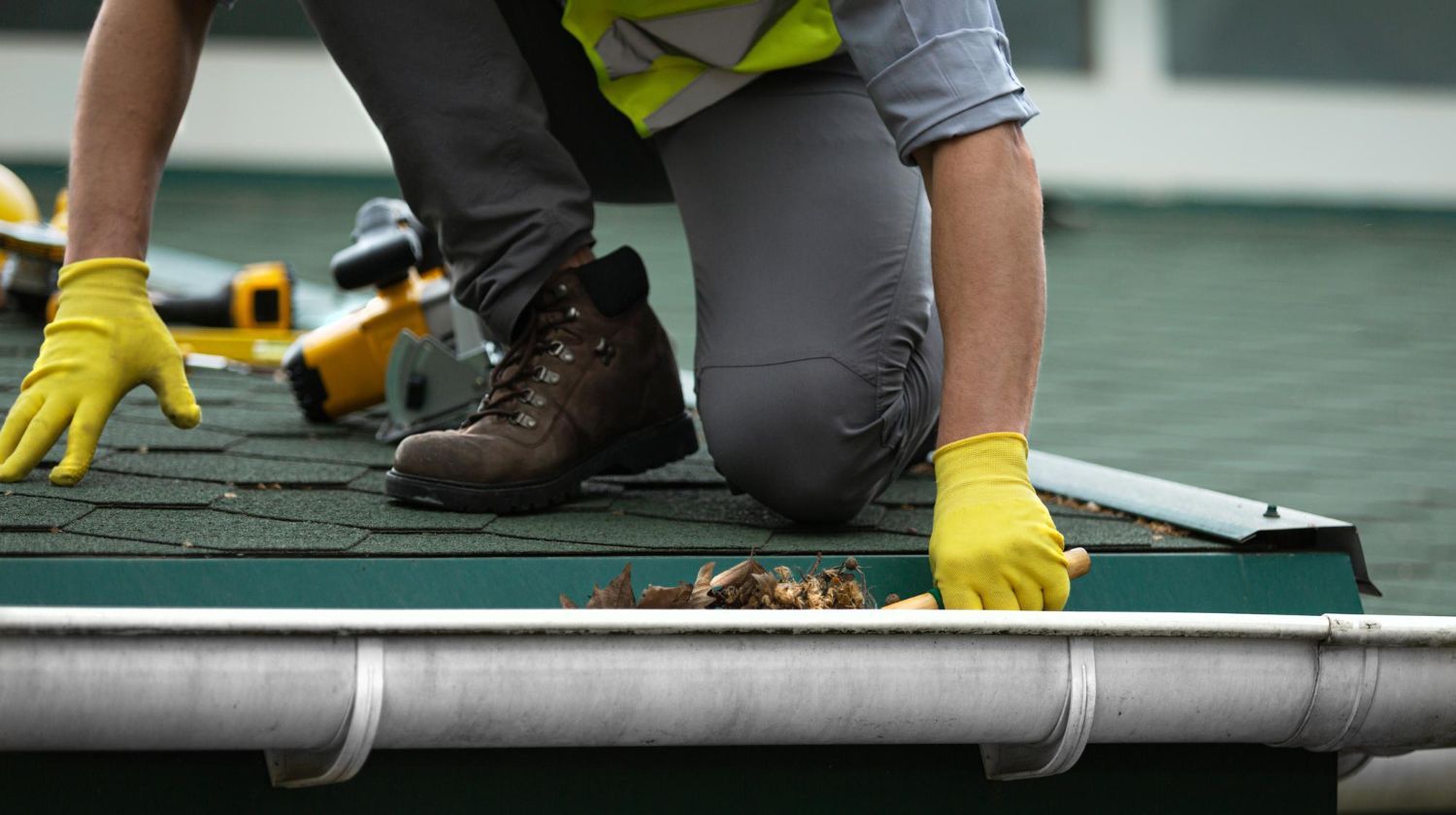
- Open gutters packed with dry leaves
- Timber cladding close to the roof edge
- Rust spots along the gutter edge
- Birds nesting near the eaves
- An insurer hinting that risk reduction would be wise
After (visual 2, right image):
- Ember mesh fitted to the gutters and old sections replaced
- Bird-proofing installed at key entry points
- Valleys cleared and documented
- Insurance renewal is smoother and the insurer can see tangible risk reduction
- The property manager has a stronger story to tell prospective tenants about safety, care and long-term reliability
Case Study 2: Launceston Investment with Interstate Landlord
Before (visual 1, left image):
- Birds nesting under solar panels
- Blocked roof valleys and regular tenant complaints about overflow and noise in heavy rain
- The owner worries about bushfire season but has no current roof report
After (visual 2, right image):
- Solar panel protection fitted and ember mesh installed on gutters
- A professional inspection report on file documenting condition and upgrades
- Call-outs reduce, complaints drop and the owner has more peace of mind about long-term performance, insurance acceptance and resale value
Owners can help themselves by building a simple visual record designed for side-by-side comparison. Useful photos include:
- The full roofline from the street before and after work, captured from the same angle
- Close-ups of gutter mouths, corners and valleys, before and after cleaning and mesh installation
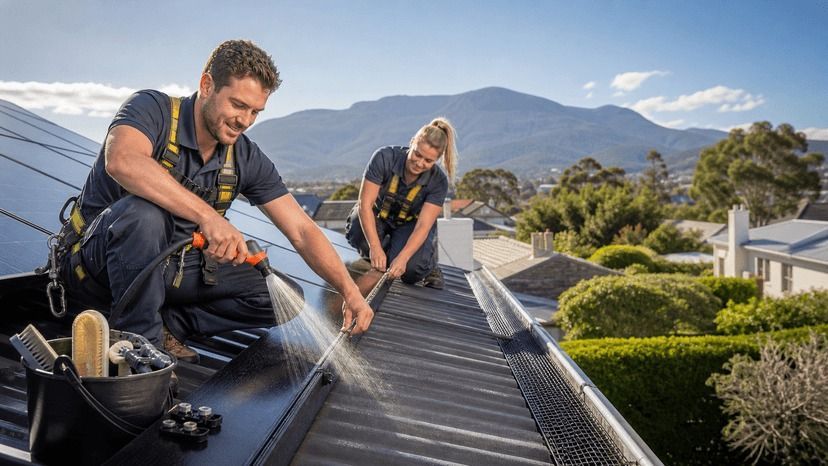
- Shots under solar panels and along the eaves, before and after bird-proofing
- A simple note or file name that shows the date and what was done
These images support insurance files and property management reports and make it much easier to show the investment impact that ember protection has made over time.
Compliance, Bushfire Standards, and Insurance Details to Check
Tasmanian properties in bushfire-prone areas are subject to Australian bushfire building standards that deal with ember attack, radiant heat and direct flame. In higher risk zones, there are expectations around ember guards, metal guttering and the use of non-combustible materials close to the roof edge.
Even if your rental is not in a mapped bushfire-prone area, it helps to look at the property through the same lens. A simple owner checklist with your property manager could cover:
- Are there overhanging trees or shrubs near the roof line?
- What type of gutters are installed and what condition are they in?
- Is there any existing gutter guard or ember mesh? What state is it in?
- Are there obvious ember pathways around eaves, valleys and solar arrays?
- When was the last professional roof and gutter inspection?
Insurers also look closely at gutter-related risk. They usually care about:
- Previous claims linked to water ingress from blocked or damaged gutters
- Signs of poor maintenance like rust, sagging sections or growing plants in gutters
- Evidence of upgrades like product information and installer invoices
- Whether changes are permanent, compliant and professionally fitted
DIY fixes or cheap mesh that is not fitted correctly can be viewed very differently to certified products installed by a specialist. If it fails during a fire or storm and there is no paperwork, it can be harder to show that reasonable steps were taken to protect the asset and tenants.
How Should You Document Gutter Upgrades for Insurance and Resale?
Every time you upgrade gutters, ember protection or solar panel protection on a rental, it pays to build a neat paper trail. This is simple if you make it a habit and treat it as part of your investment strategy.
Useful items to collect include:
- Dated quotes that describe the work scope and materials
- Final invoices that confirm what was actually installed
- Before and after photos of each side of the roof, plus close-ups for side-by-side comparison
- Warranty documents and product information sheets
- A basic maintenance schedule from the installer
Once you have these, think about where they live. Owners often:
- Share them with the property manager so they can be added to the rental file
- Upload them to landlord insurance portals where possible
- Store copies in a long-term investment file for future buyers and valuers
From an investment angle, clear documentation can support:
- Stronger conversations with insurers about risk, coverage and potential premium outcomes
- Higher property valuations when you are ready to refinance or sell
- More appealing rental marketing, especially heading into fire season
- Evidence that you have taken reasonable steps to look after the asset and your tenants
When ember protection for gutters and related upgrades are seen as part of a careful investment plan, not just a quick tidy up, they often pay off in fewer headaches, better tenant experiences and a more resilient Tasmanian rental portfolio.
Protect Your Home With Proven Ember-Safe Gutter Solutions
If you are concerned about bushfire risk around your roofline, our ember protection for gutters is designed to give your home an extra layer of defence. At Hobart Gutter Guard Co, we assess your property and recommend a tailored setup that suits your roof, gutters and local conditions. Talk with our team today about upgrading your system before the next fire season, or contact us to book an on-site inspection.

Get a Free Measure and Quote
- No More Cleaning Blocked Gutters
- Keep Out Birds, Leaves & Debris (100% Bird Proof Gutters)
- Protect Your Gutters & Home From Costly Water Damage and Fire Threats
- Gutter Guard & Ember Guard
- Free Gutter and Solar Panel Clean With New Installs