
Hobart Gutter Guard Co Blog
Understanding Gutter Guards for Tiled Roofs in Tasmania’s Wet Spring
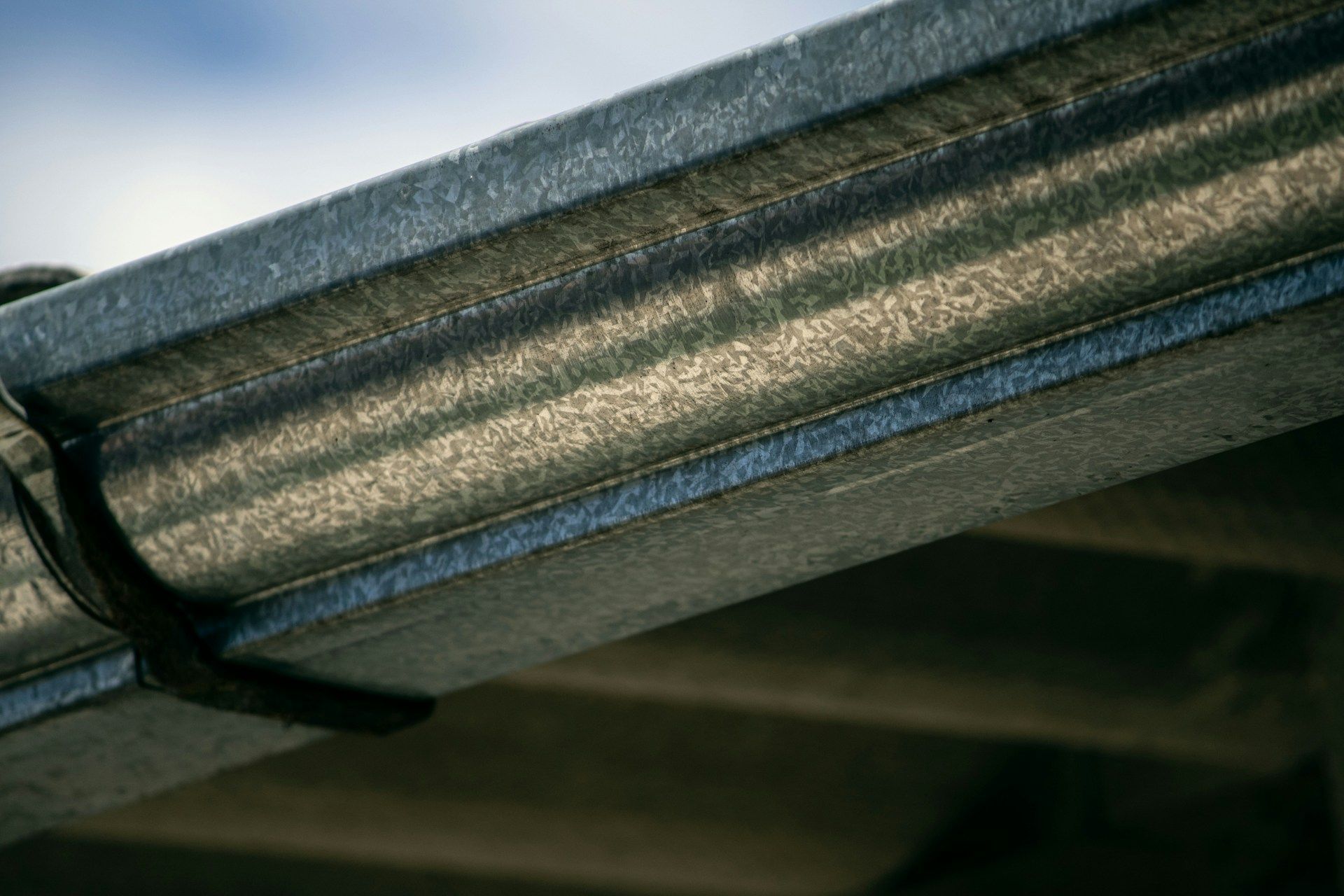
Gutter guards for tiled roofs can help keep spring rain where it belongs, outside your roofline and moving safely through your drainage system. During a wet Tasmanian spring, wind can push leaves, blossom, moss and small branches into open gutters faster than many people expect.
Once a gutter blocks, water may overflow into eaves, run down wall cladding or wash into garden beds. On tiled roofs, poor drainage around the roof edge can also allow water to track where it should not. We see gutter protection as more than another cleaning job. It is a practical way to protect your roof drainage, fascia boards, outdoor areas and the parts of your home below.
Why Tiled Roofs Need the Right Guard Fit
Tiled roofs are not flat, smooth surfaces, so gutter guards need more care than a one-size-fits-all screen. Curved tile profiles, mortar bedding, roof valleys, roof pitch and the space between the final row of tiles and the gutter all affect how water and debris move across the roof.
A guard that sits too high can create a shelf where wet leaves collect at the roof edge. Loose mesh may lift in strong winds, while poorly placed materials can interrupt the normal path of rainwater into the gutter. These issues can turn a simple protection job into a future repair problem.
Before fitting gutter guards for tiled roofs, we recommend a proper roofline assessment. This gives us a clearer view of:
- The condition and profile of the roof tiles
- Gutter alignment, outlets and downpipes
- Tree coverage and the type of debris falling on the roof
- Existing rust, leaks, loose brackets or sagging sections
The aim is to fit protection that works with your roof, not against it. A neat, secure fit at the tile edge helps debris stay above the mesh while rainwater continues towards the gutter.
Choose Mesh for Wet Leaves and Heavy Rain
Spring debris is rarely dry and easy to sweep away. Leaves can clump together in rain, pine needles can lodge in small gaps, and moss or blossom can become heavy when wet. The mesh you choose needs to handle these conditions without placing unnecessary restrictions on roof drainage.
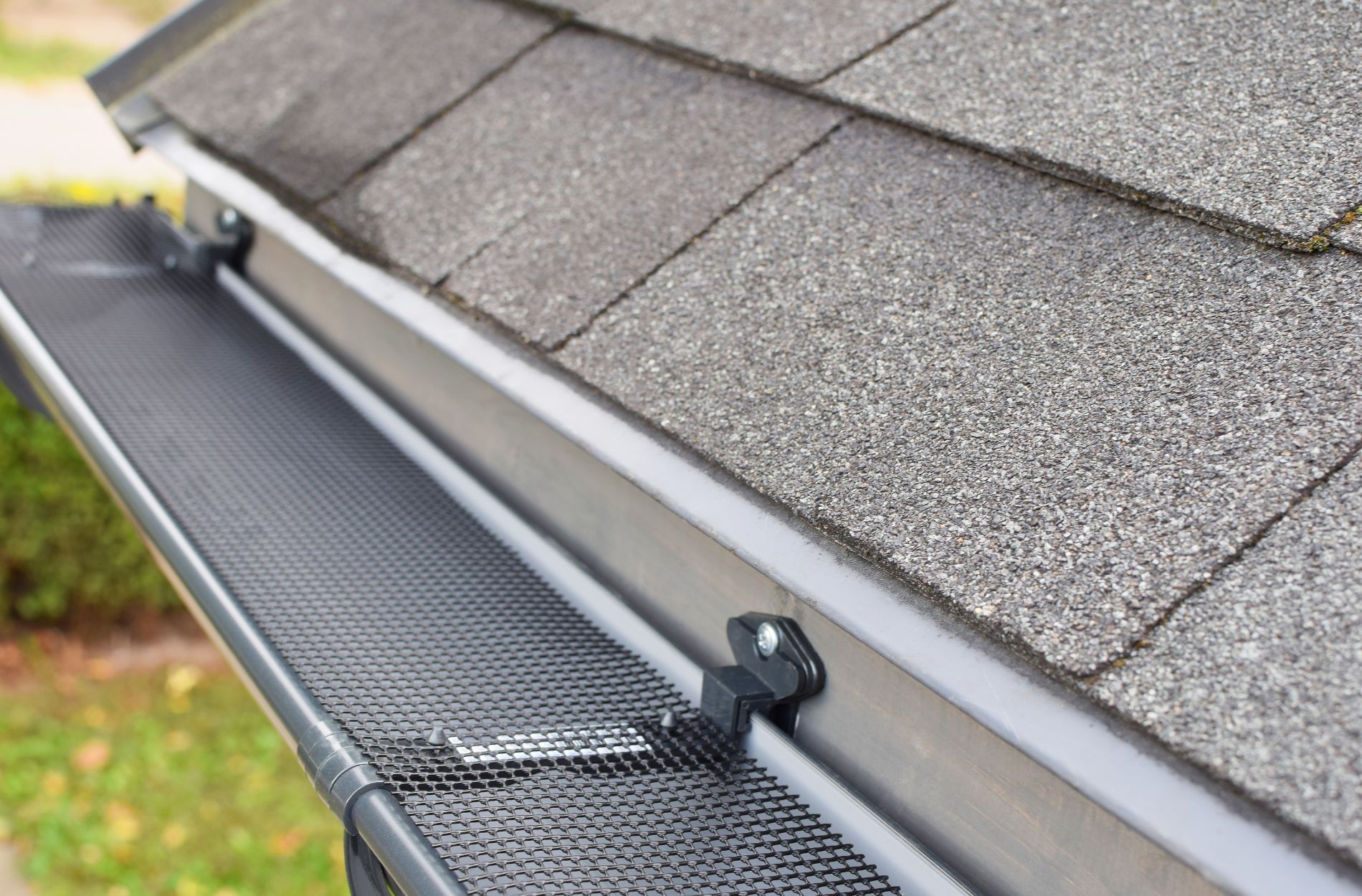
In our experience, the best approach is to look beyond the cheapest screen available. A suitable metal mesh system should be strong, corrosion-resistant and able to follow the contour of tiled roof edges. It also needs secure fixings, so it stays in place through wet weather and wind.
When comparing options, consider the difference between loosely fitted products and a professionally installed metal mesh system:
- Cheap plastic screens can become brittle, shift out of place or sit unevenly against tiles
- Loose products may leave gaps where debris can enter the gutter
- Quality mesh can keep larger debris out while allowing water to enter
- Secure fitting helps the guard sit neatly beneath the tile edge
No gutter guard makes a roofline completely maintenance-free. Debris still needs to be checked from above, especially after storms or heavy leaf fall. However, the right mesh can reduce the amount of material collecting inside the gutter and make ongoing roof care more manageable.
Are Gutter Guards Worth It For Bushfire Protection?
Yes, gutter guards can be a useful part of a broader ember protection plan. By reducing the build-up of leaves, bark and other combustible debris inside gutters, they help address a known fuel source around the roofline.
A wet spring can create plenty of growth and leaf litter before drier weather arrives. That material does not need to stay in your gutters until summer. Installing suitable protection early gives you time to deal with roof debris and inspect the rest of the property before bushfire preparation becomes more urgent.
Not every mesh product is the same, particularly where ember protection is concerned. Bushfire requirements can vary according to your property location, BAL assessment and building conditions. We recommend getting advice on appropriate ember guard materials and fitting methods rather than assuming any gutter screen will provide the same level of protection.
A sensible roofline safety check includes:
- Keeping roof valleys clear of leaves and loose debris
- Protecting gutters from ongoing debris build-up
- Checking that downpipes are clean and flowing properly
- Maintaining cracked or displaced roof tiles
- Trimming overhanging branches where appropriate
Gutter guards support bushfire readiness, but they do not replace a full property preparation plan. Roofs, vents, valleys and other possible ember entry points all deserve attention.
Replace Weak Gutters Before Adding Protection
Before replacement, one tiled-roof drainage system showed the common signs of failure after rain: rusted gutter sections, sagging lengths pulling away from the fascia, leaking joins and standing water that could not reach the downpipe. Repeated cleaning had removed debris, but it could not correct the poor fall or restore metal that had deteriorated.
[Side-by-side visual: rusted, sagging gutters with water staining and loose brackets before replacement beside clean, modern gutters aligned securely along the fascia after installation.]
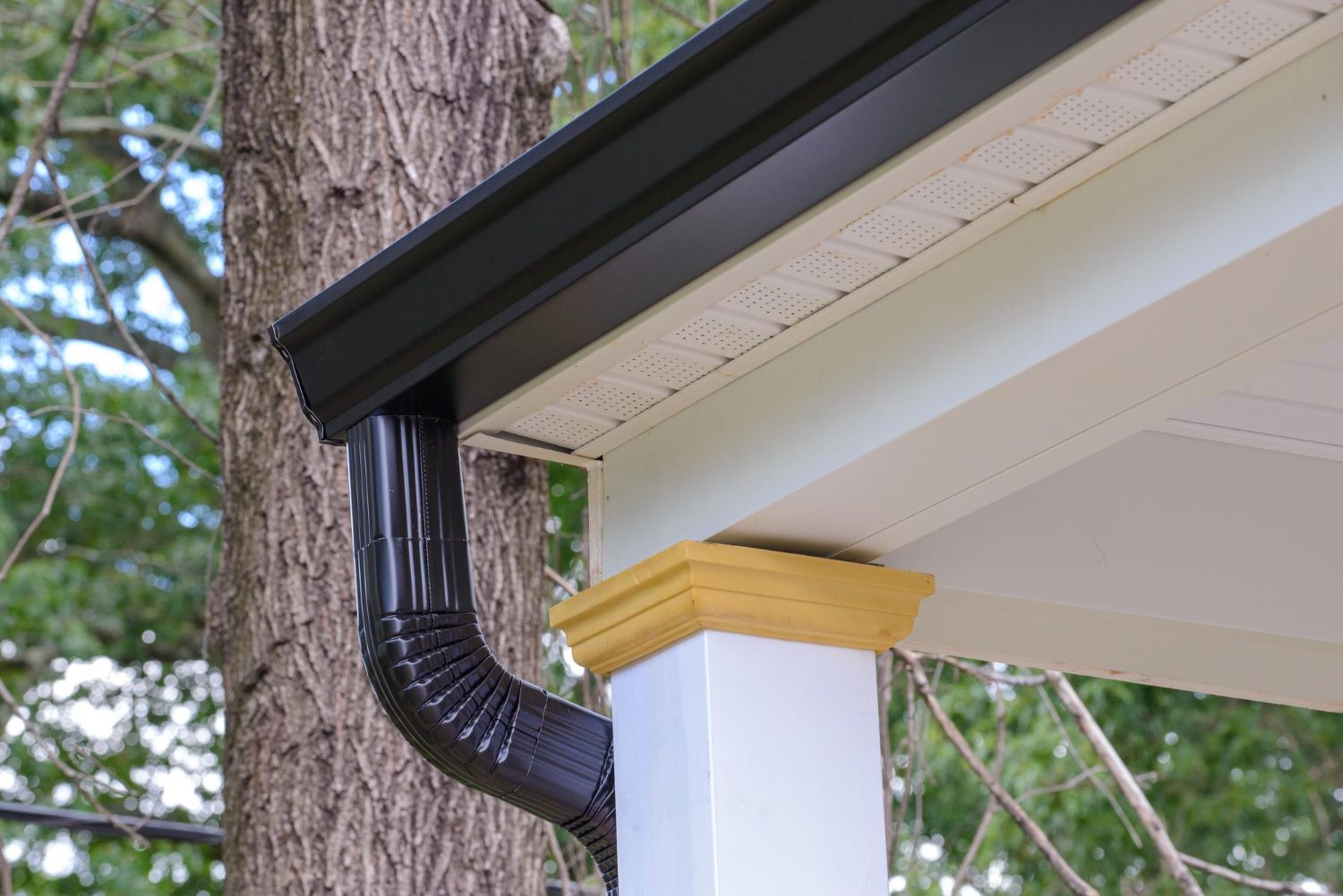
After installation, new gutters and downpipes restored a clear drainage path from the roof edge to the outlet. The modern system sat securely against the fascia, directed water properly and provided a sound base for mesh guards where ongoing debris protection was needed.
This type of replacement is more than an appearance upgrade. Replacing a failing system before fitting guards protects fascia boards, wall cladding, eaves and garden areas from repeated overflow, while avoiding investment in protection attached to gutters that may soon require major repairs.
Rather than treating each leak as an isolated problem, we look at the whole drainage path, from roof edge to downpipe outlet. That wider view helps identify whether cleaning, replacement or gutter protection is the most sensible next step.
Protect Solar Panels From Birds and Debris
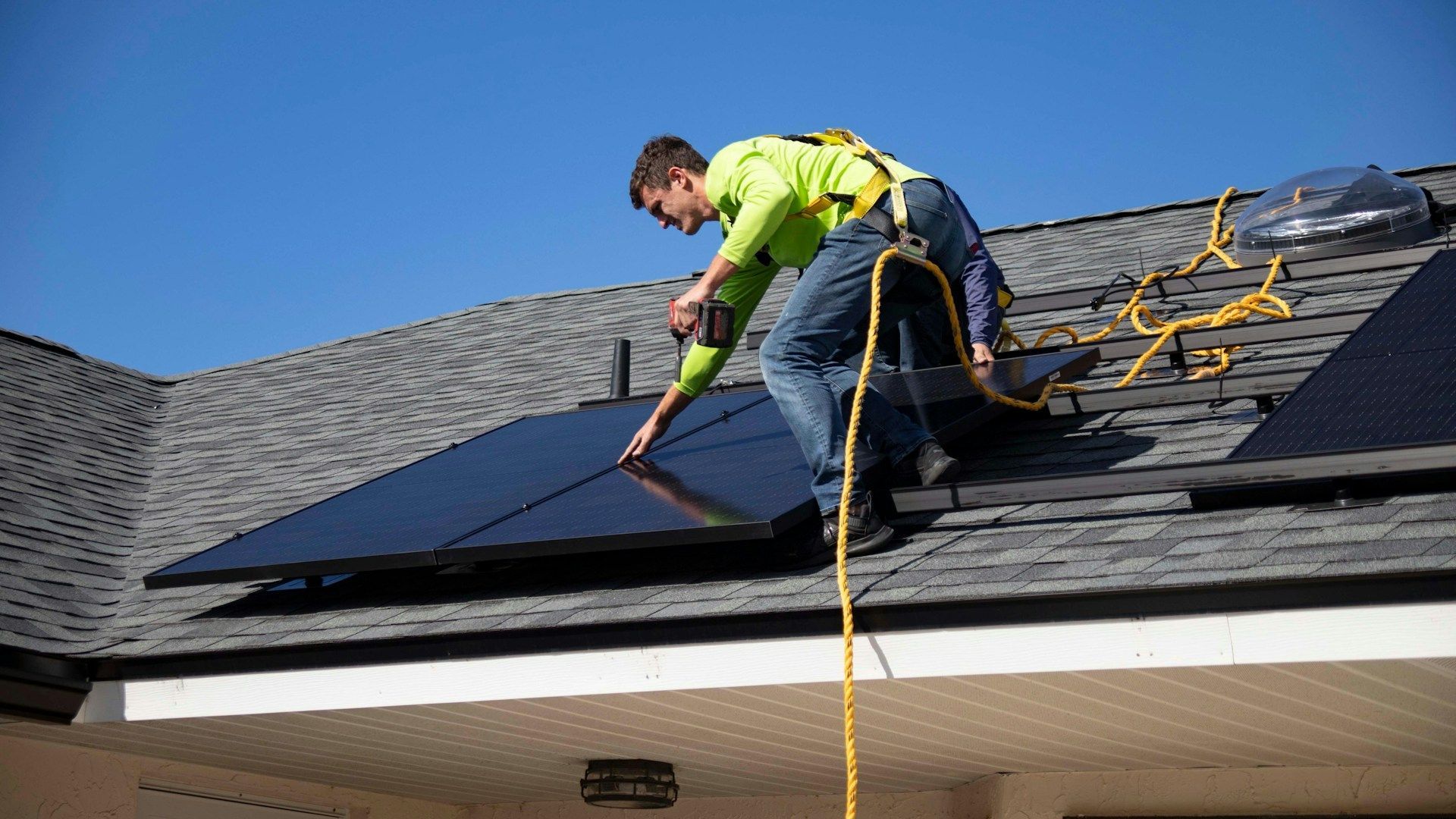
Your roofline may also be protecting a major solar investment. Pigeons and possums can shelter beneath solar panels, leaving nests, feathers, droppings and other debris that is difficult to see from ground level. Besides the noise and mess, nesting material can collect around panel edges and nearby roof valleys.
Black mesh solar panel skirting creates a clean, low-profile barrier around the underside of the panels. When professionally fitted, it helps prevent birds and larger pests from getting into that sheltered space without drilling into the panels themselves.
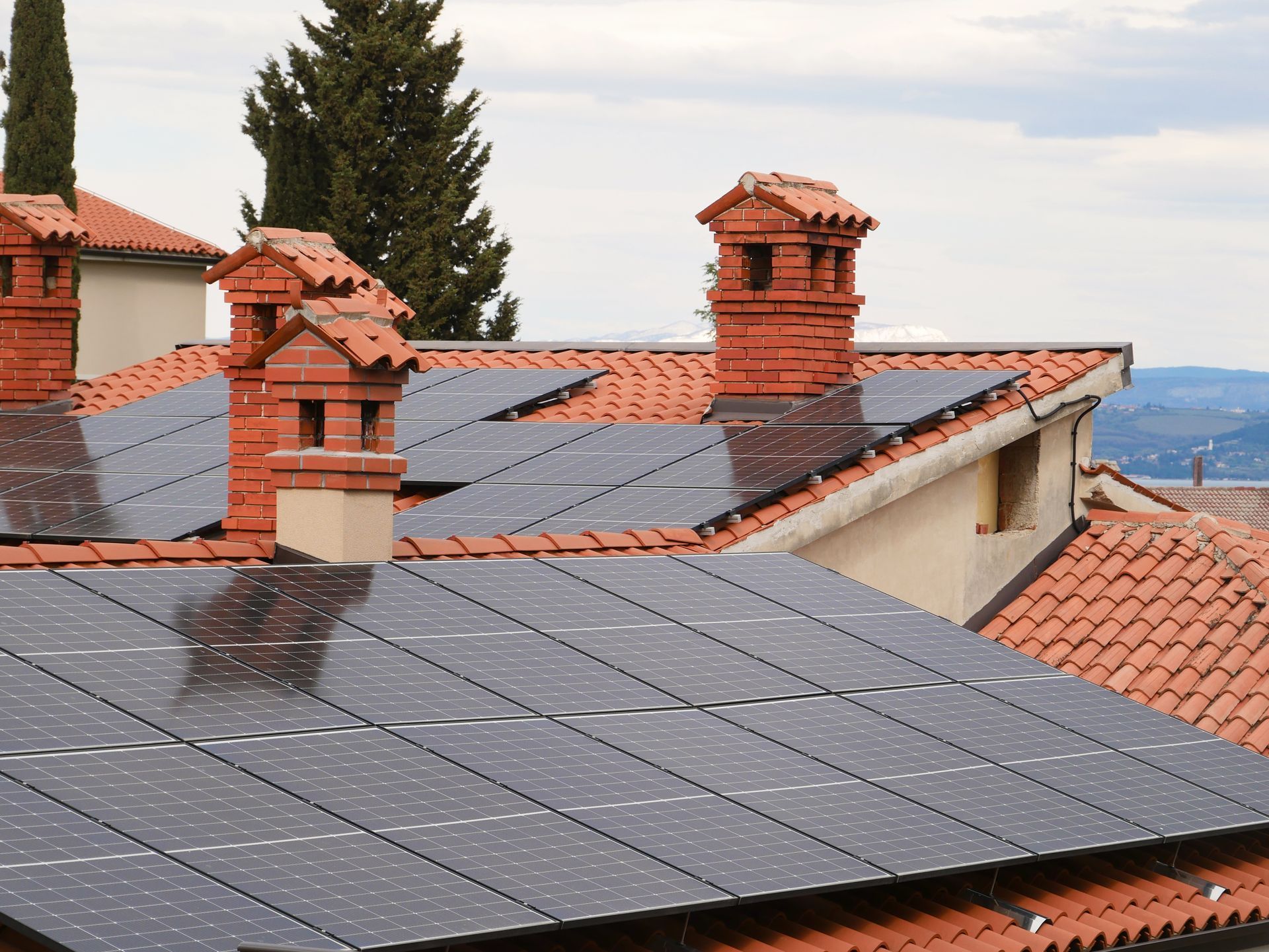
Solar protection and gutter protection often belong in the same conversation. Birds can carry nesting material onto the roof, while leaves can collect around panel edges before washing into gutters. A combined assessment can identify hidden debris points and help protect drainage, roof tiles and solar panels together.
For homeowners across Hobart, Launceston and Tasmania, a wet spring is a useful reminder to inspect the full roofline before dry weather returns. The right solution depends on your tile type, tree coverage, gutter condition, property setting and whether solar panels need pest protection as well.
Protect Your Tiled Roof With A Tailored Solution
Hobart Gutter Guard Co can assess your roofline and recommend
gutter guards for tiled roofs suited to your property. Our installations help reduce leaf build-up while supporting long-term gutter performance and roof protection. For a clear recommendation and quote,
contact us today.


Get a Free Measure and Quote
- No More Cleaning Blocked Gutters
- Keep Out Birds, Leaves & Debris (100% Bird Proof Gutters)
- Protect Your Gutters & Home From Costly Water Damage and Fire Threats
- Gutter Guard & Ember Guard
- Free Gutter and Solar Panel Clean With New Installs