
Hobart Gutter Guard Co Blog
Hobart Gutter Repair Triage: What to Fix First and When to Replace
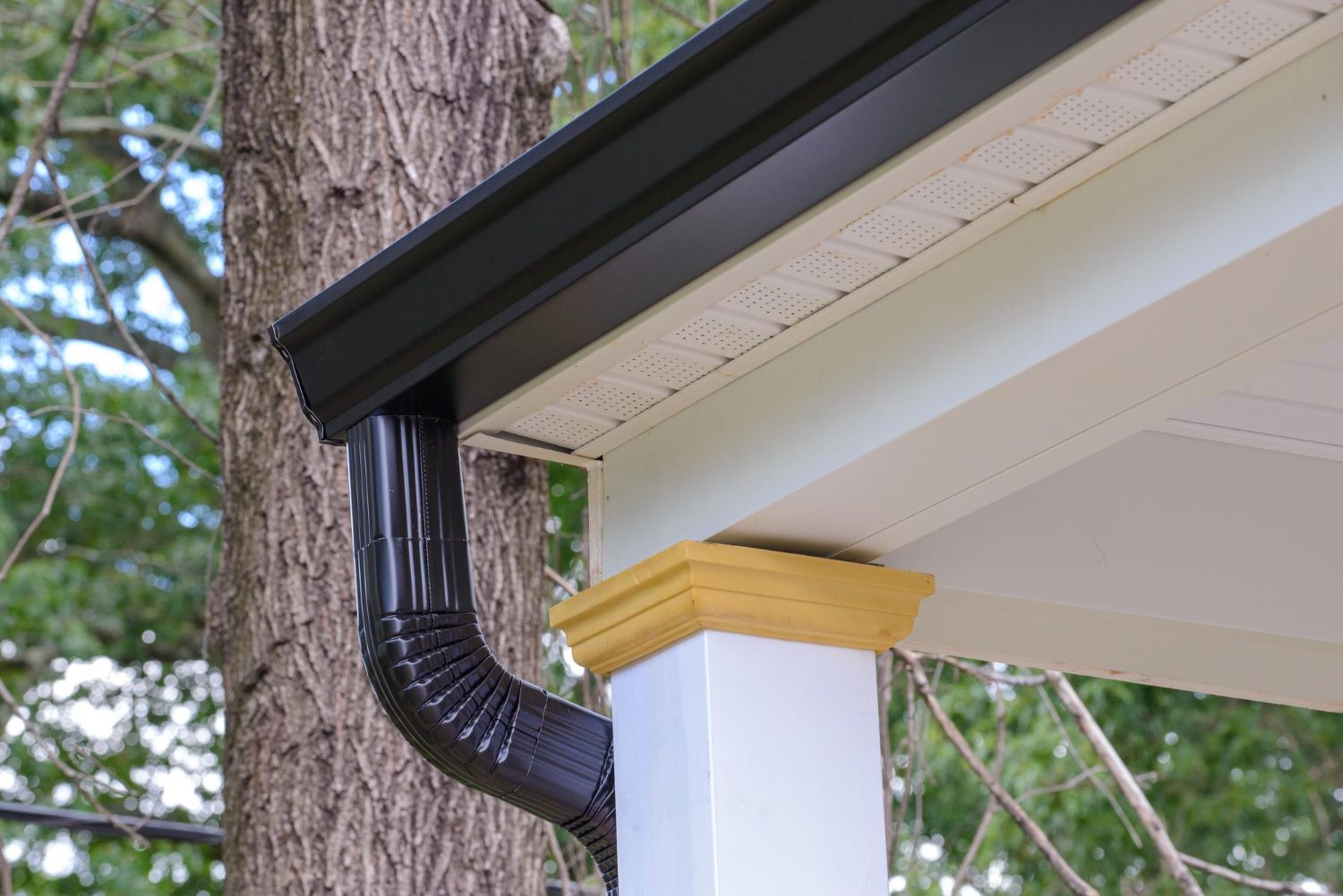
Stop Drips Fast: Triage Hobart Gutters and Protect Your Investment
Roof gutter repairs in Hobart are not just about stopping an annoying drip. They are about protecting your roof, walls, insulation, garden, and even your foundations from slow, hidden damage. When gutters are not working, water goes where it should not, and it will find every weak point in your home.
In late spring and early summer around Hobart, we see a spike in problems. Heavy rain, sudden downpours, fresh leaf growth and early bushfire risk all hit at once. Gutters that coped through winter can start leaking, overflowing, rusting or pulling away from the fascia. In this guide, we lay out a clear triage plan so you know what to fix first, when to call a professional, and how to tell when replacement and gutter guards are a smarter long‑term investment in your property.
What Is Your Gutter Telling You After Winter?
After a wet Tasmanian winter, your gutters will usually show a few clues about how they are coping. Focus on easy-to-see signs first.
Common post‑winter symptoms include:
- Dripping joints even after light rain
- Water overflowing at or near downpipes
- Brown or green staining on fascias and walls
- Sagging or uneven runs along the roof edge
- Plants, moss or small shrubs growing in the gutter
Use a simple look, listen, touch approach, while staying safe.
From the ground you can:
- Look for staining, streaks and sagging lines
- Listen during rain for loud dripping or gushing over the edge
- Watch where water lands, especially near doors, decks or paths
From a ladder only if you are confident and safe you might:
- Sight along the gutter for dips and bows
- Gently touch inside the gutter to feel for sludge or standing water
- Look for rust patches, flaking paint or loose brackets
Anything that needs you to walk on the roof, handle heavy debris or work near power should be left to professionals. A simple yearly post‑winter inspection works like low‑cost insurance, often catching issues long before they turn into roof leaks, damaged plaster or shifting soil around the house.
Can a Simple Safety Checklist Help You Avoid Gutter Emergencies?
Use this quick safety-focused triage checklist from the ground:
- Are there visible leaks over paths, steps or entries that create slip hazards?
- Do you see staining, bubbling paint or mould on external walls or ceilings inside?
- Are any gutters visibly sagging, twisted or pulling away from the fascia?
- Is water discharging close to footings, retaining walls or paved areas?
- Do you notice birds, nests or heavy leaf build‑up at the roof edge?
If you answer “yes” to any of these, fast action protects both safety and the value of your home, and can prevent far more expensive structural repairs later.
Which Leaks and Overflows Must You Fix First to Protect Your Home?
Not all leaks are equal. Some are annoying, others are safety risks or can damage key parts of your home.
Fix these first:
- Leaks over paths, decks and steps, which create slip hazards
- Drips over external doors and thresholds, which can rot timber frames
- Overflows above living rooms and bedrooms, where water can track into ceilings and insulation
Overflows over garden beds or near retaining walls can slowly wash out soil, move foundations and crack paving. Those spots also deserve fast attention, even if you do not see water inside yet.
Many homeowners try quick DIY fixes like squeezing sealant into a leaking joint or taping a small hole. These can be short‑term stopgaps but can also hide bigger issues such as rust, misaligned falls or blocked outlets.
How Do DIY Fixes Compare to Professional Gutter Repairs?
Think of your options as a simple comparison:
- DIY patching: low upfront cost, short‑term result, higher risk of repeat leaks and hidden water damage.
- Professional repairs: higher upfront cost, targeted diagnosis, structural checks and longer‑term protection of the building envelope.
Professional repairs focus on:
- Finding the true cause of the leak
- Fixing falls and outlets, not just the symptom
- Checking nearby sections so the same problem does not pop up two metres along next storm
DIY can seem cheaper at first, but repeat patching every few months often costs more in the long run, especially if water gets into the roof structure and reduces the value of your asset.
Is Rust Just Ugly, or a Structural Red Flag for Your Investment?
In Tasmania, sea air, constant moisture and shaded roofs can turn early rust into real damage quite fast. Rust is not only about looks, it affects the strength and life of the whole gutter.
Think of rust in three levels:
- Light surface rust: small spots or stains that are mostly cosmetic but worth monitoring.
- Moderate rust around brackets, joints and laps: metal starts thinning and pin holes may form.
- Advanced rust: sections are soft, full of holes or patched many times.
Light rust can sometimes be treated and painted, but moderate rust near brackets and joints needs urgent attention. These are stress points, and rust here makes collapse more likely in a heavy downpour.
Before & After: What Difference Does Replacing Rusted Gutters Make?
Imagine a simple before‑and‑after scenario:
- Before: patchwork gutters with visible rust, flaking paint and constant drips over paths and garden beds. Water pools near the foundations, and you need to clean and re‑seal problem joints every few months.
- After: new, colour‑matched gutters with correct falls, secure brackets and integrated gutter guards. Water is directed safely to upgraded downpipes, garden beds are protected from erosion, and your fascia and roofline look clean and modern.
The visual shift from rusted and patched to fresh and protected is big, and it changes your guttering from a weak point into a long‑term asset that supports the value of your home.
Are Loose Brackets and Sagging Gutters an Emergency for Your Home?
Loose brackets start as a small wobble and end as a full failure if left alone. When the gutter is not held firmly, it sags, water ponds in the low spots, and joints and corners take extra load.
Watch for:
- Visible bowing or dips when you sight along the gutter
- Gaps where the gutter is pulling away from the fascia
- Corners that open up or show daylight behind the gutter
- Water sitting in the run long after rain has stopped
Sometimes re‑screwing a few brackets is enough. Other times, once a bracket is removed, rotten fascia is found behind it, which needs carpentry repairs before new gutters can be firmly anchored. A professional assessment helps pick the difference before a section tears away in the middle of a storm.
Side‑by‑Side: How Do Sagging vs. Correctly Aligned Gutters Perform?
- Sagging gutter: water ponds in low spots, rust accelerates, and heavy storms can cause sudden failure and damage to fascia, eaves and walls.
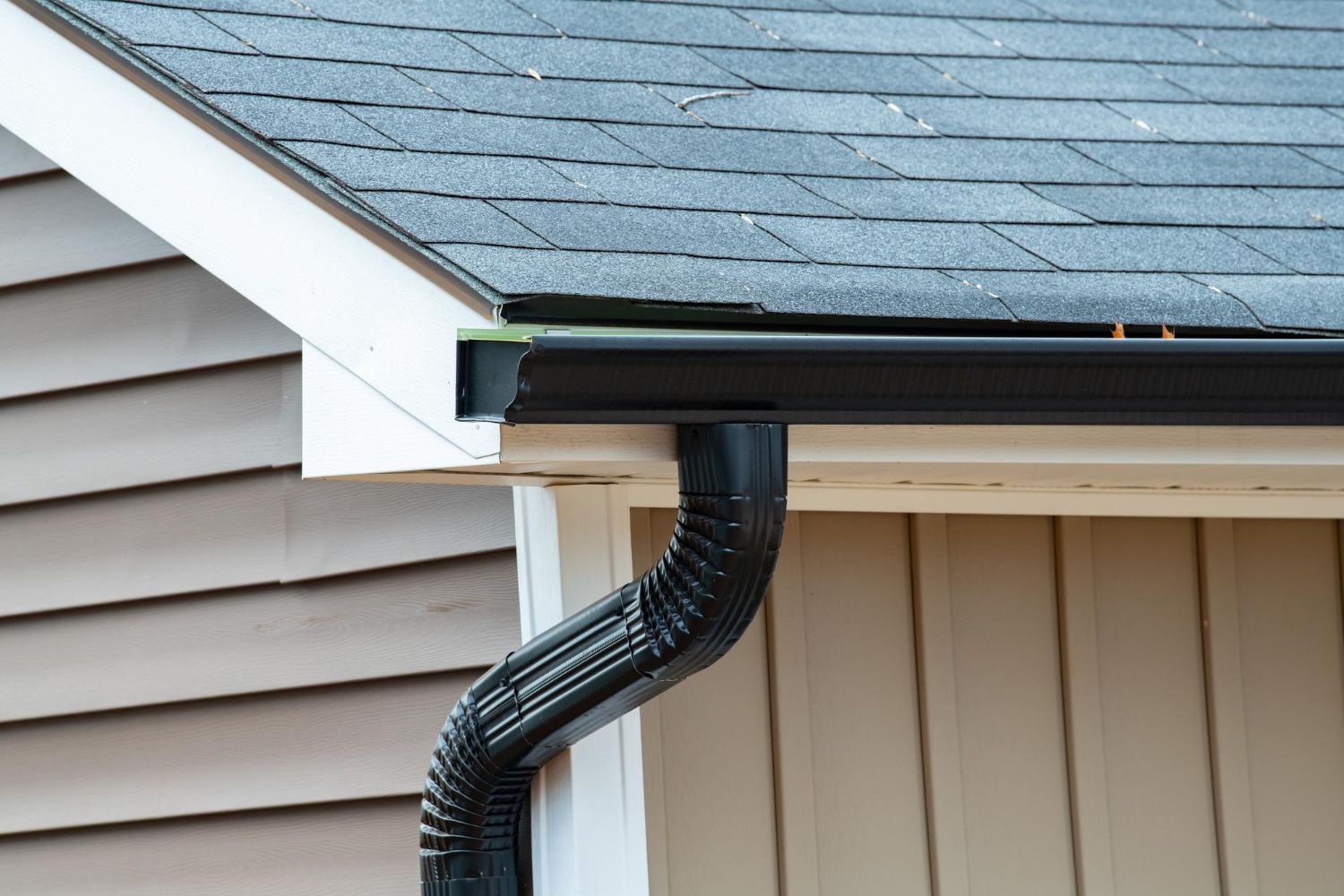
- Correctly aligned gutter: water flows cleanly to downpipes, loads are shared across solid brackets, and the system protects cladding, landscaping and foundations.
This simple comparison shows why timely bracket and alignment repairs are an investment in the structure of your home rather than a cosmetic fix.
When Do Repairs Stop Making Sense, and Are Gutter Guards Worth It?
There comes a tipping point where ongoing roof gutter repairs in Hobart are throwing good money after bad.
Signs you are near that point include:
- Gutters that are already old and patched in many places
- Frequent blockages from leaves, moss or birds
- Rust spread across long sections, not just tiny spots
- Multiple repair call‑outs over a few seasons
In those cases, planning a full replacement over the next 5 to 10 years can be smarter than waiting for a failure. Upgrading gutters and downpipes together and adding quality gutter guards can cut down blockages, rust and overflows. The focus shifts from cleaning to asset protection, with a system designed to keep water moving away from the house properly.
Are Gutter Guards Worth It for Bushfire Protection?
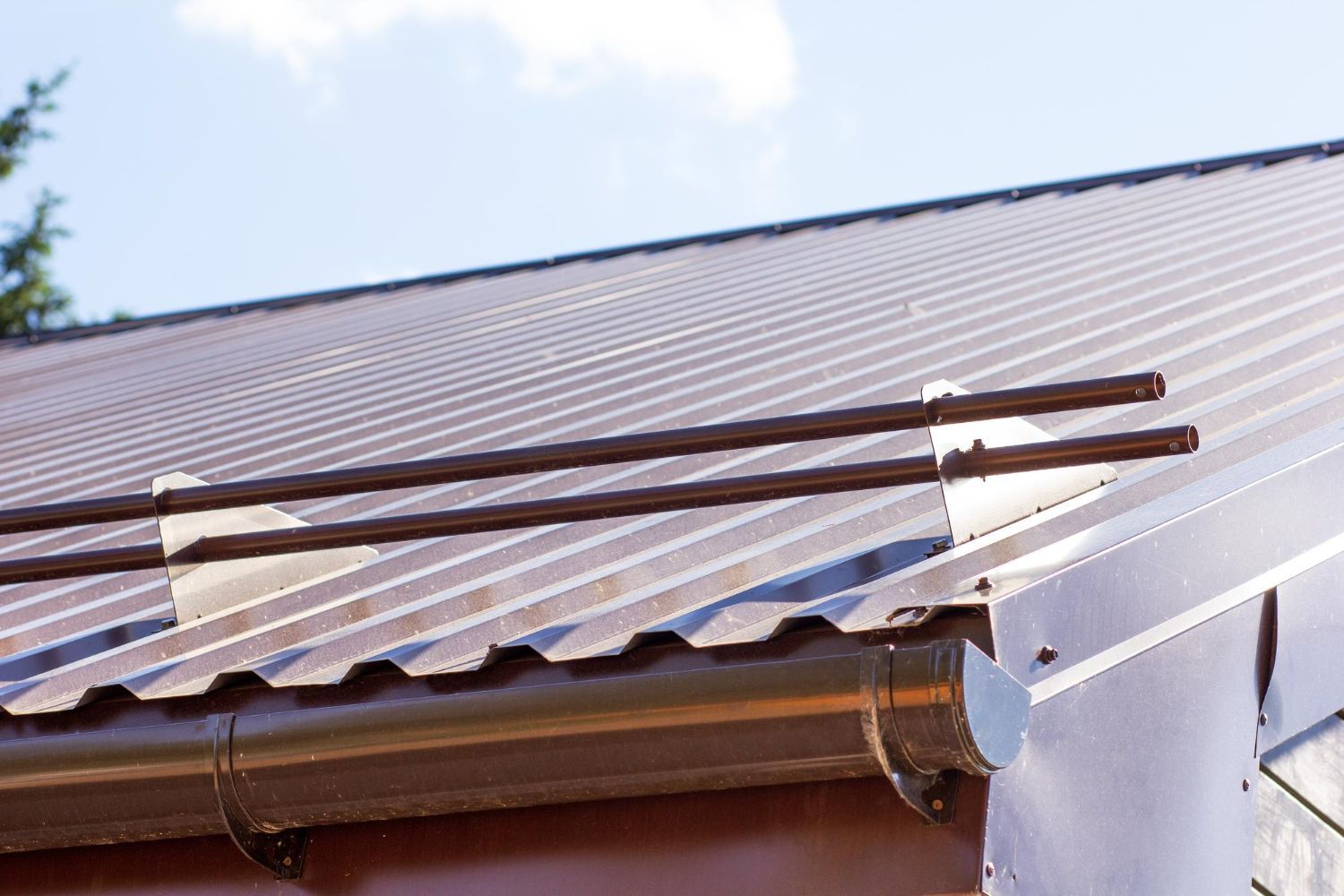
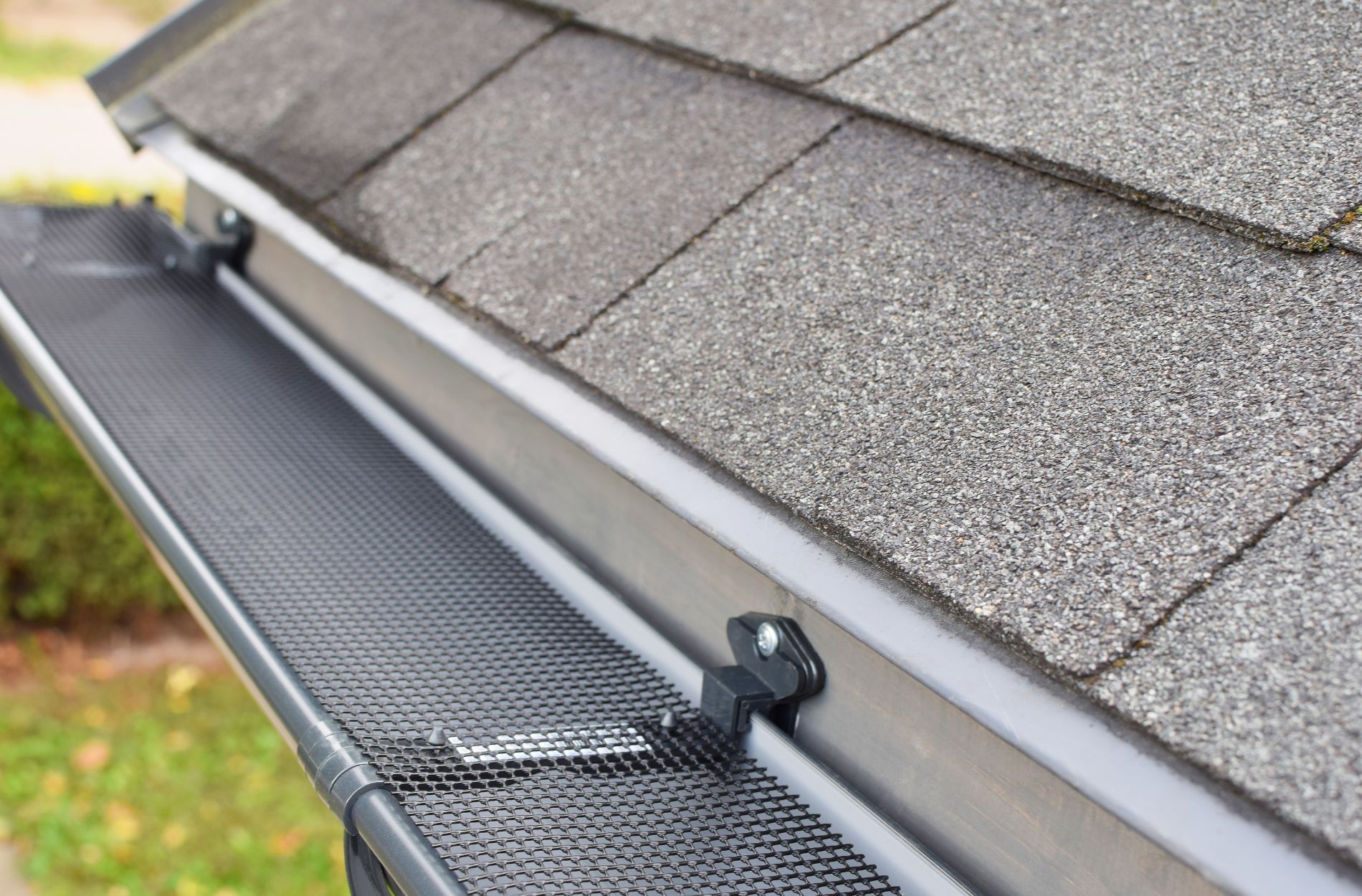
In bushfire‑prone parts of Tasmania, ember guards add another layer of risk reduction by helping stop burning debris lodging in gutters. Good guards also help keep gutters drier and cleaner, which slows rust and protects your roof framing and eaves.
From an investment point of view, gutter guards can:
- Reduce the frequency and cost of cleaning
- Lower the risk of ember attack in a bushfire
- Protect paintwork, fascias and walls from constant overflows
- Extend the service life of gutters, downpipes and even nearby landscaping
How Do Open Gutters Compare to Guarded Gutters?
- Open gutters: more frequent cleaning, higher risk of leaf build‑up, nests and blockages, greater chance of overflows and water tracking into walls and insulation.
- Guarded gutters: less debris entering the system, more consistent water flow, fewer overflows, reduced pest nesting and improved long‑term performance of the roof drainage system.
This comparison highlights how gutter guards support both day‑to‑day performance and the long‑term value of your property.
Can Bird and Pest-Proofing Protect Your Roof and Solar Investment?
Birds and pests can turn gutters and solar panels into hidden hazards. Nests, droppings and vermin can block downpipes, damage wiring and affect roof materials. Bird-proofing and solar pest protection help keep these areas clear so your panels and roof last longer and perform as they should.
When seen as part of an overall asset protection plan, bird and pest-proofing supports:
- Safer, more reliable roof drainage
- Better solar output and longer panel life
- Reduced risk of hidden moisture and corrosion issues
What Simple Seasonal Checklist Helps Protect Your Home Year‑Round?
Across the year, a simple seasonal checklist helps keep everything on track:
- Late winter to early spring: inspect for rust, leaks and sagging, and plan repairs before the heaviest rain and wind.
- Spring: clean accessible debris, check guards from the ground and make sure downpipes are discharging away from foundations before heavy rain and hotter weather.
Homeowners can safely do visual checks from the ground, take photos and do a gentle hose test at ground level.
Which Tasks Are Best Left to Professionals for Safety and Protection?
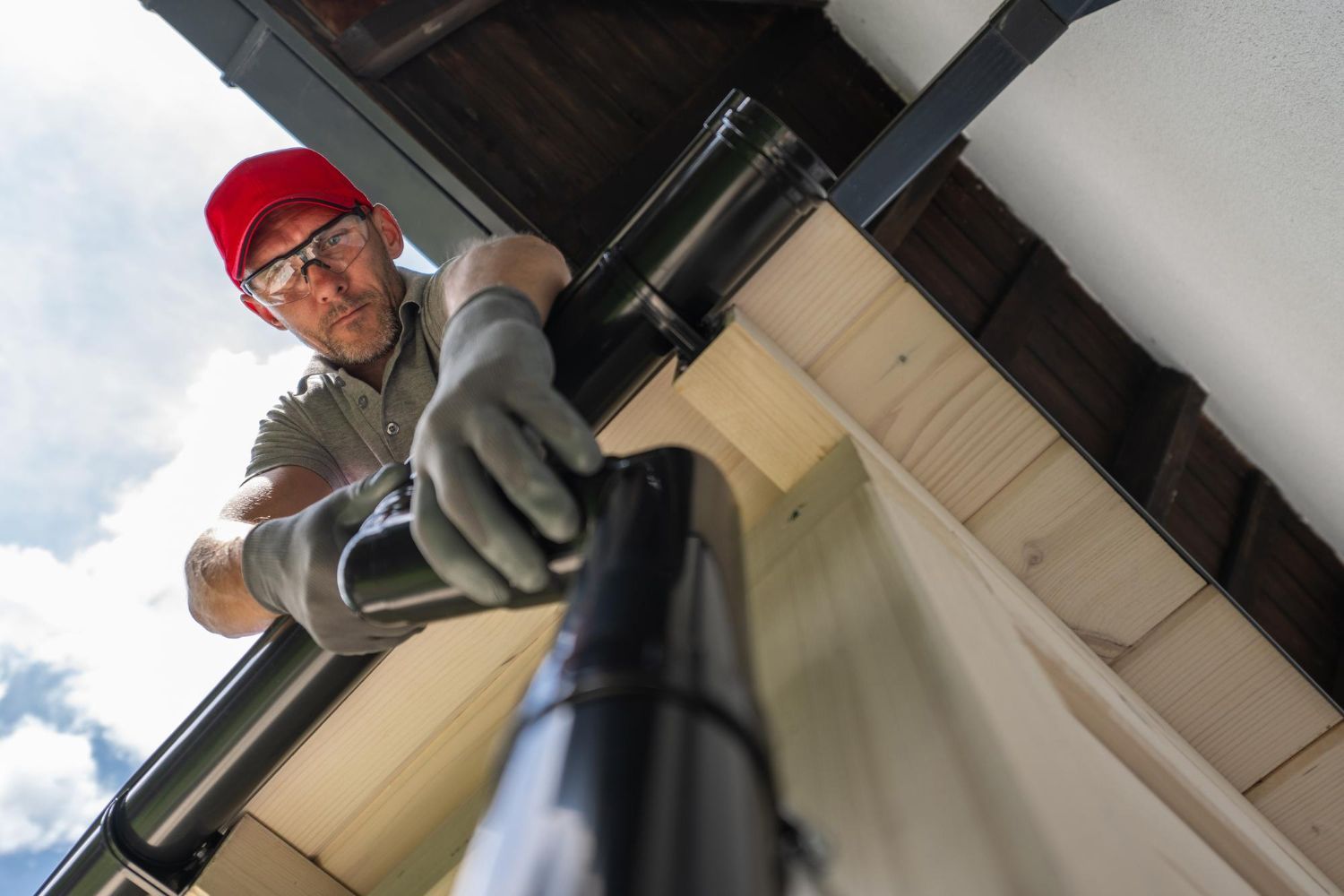
Roof‑level work, rust treatment, structural repairs, gutter replacement and guard installation are best left to trained teams with the right safety gear and technical knowledge.
By following a clear triage approach and thinking of gutters, guards and pest protection as one system, you are not just cleaning your gutters. You are actively protecting your whole home, from the roof edge to the foundations, and treating your property as a long‑term investment rather than a series of emergency repairs.
Get Started With Your Project Today
If your gutters are leaking, overflowing or looking worse for wear, our team at Hobart Gutter Guard Co is ready to help. Explore our specialist services for
roof gutter repairs in Hobart and keep your roofline protected in every season. For tailored advice or to book an inspection, simply
contact us and we will arrange a time that suits you.




Get a Free Measure and Quote
- No More Cleaning Blocked Gutters
- Keep Out Birds, Leaves & Debris (100% Bird Proof Gutters)
- Protect Your Gutters & Home From Costly Water Damage and Fire Threats
- Gutter Guard & Ember Guard
- Free Gutter and Solar Panel Clean With New Installs