
Hobart Gutter Guard Co Blog
How Roof Drainage Affects Solar Performance: Prevent Soiling and Moisture
Protect Your Solar Investment From Hidden Roof Risks
Solar is a long-term asset on your roof, not just a set of panels. In Tasmania, frequent rain, coastal wind, sea spray and year-round leaf litter quietly work against that asset. They dirty panels, strain gutters and can shorten the life of both your roof and your solar system.
Most people think of looking after solar as cleaning the glass and checking the inverter lights. In reality, the way water moves across your roof and into your gutters has just as much impact on performance, protection and payback. Poor drainage leads to dirty runoff, corrosion and moisture pockets in all the wrong spots.
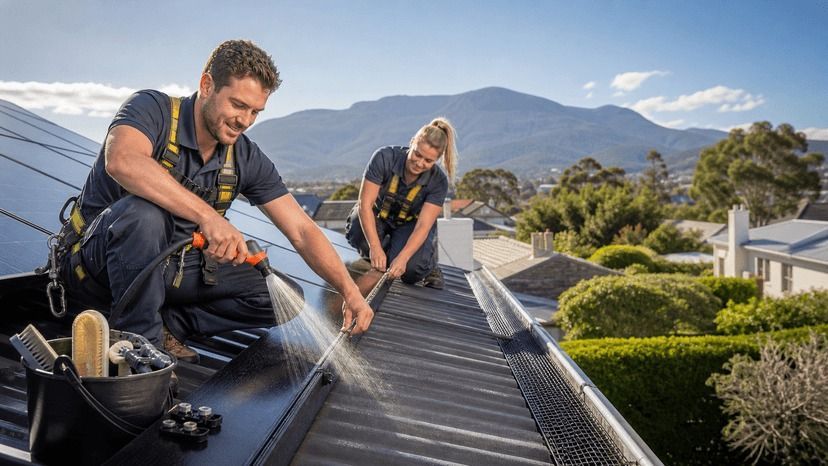
We are Hobart Gutter Guard Co, a Tasmanian gutter protection specialist focused on full-system protection, not just quick cleans. Our work covers gutter guards, gutter replacement, ember guards, bird proofing and solar panel skirting in Hobart and across the state. Here we unpack how targeted gutter upgrades and panel skirting help prevent panel soiling, overflow damage and moisture risks, especially as the colder, wetter months close in.
Recommended visual: Side-by-side photo of a roof with blocked gutters and stained panels vs. the same roof after gutter replacement, gutter guards and solar skirting installed.
How Poor Roof Drainage Destroys Solar Performance
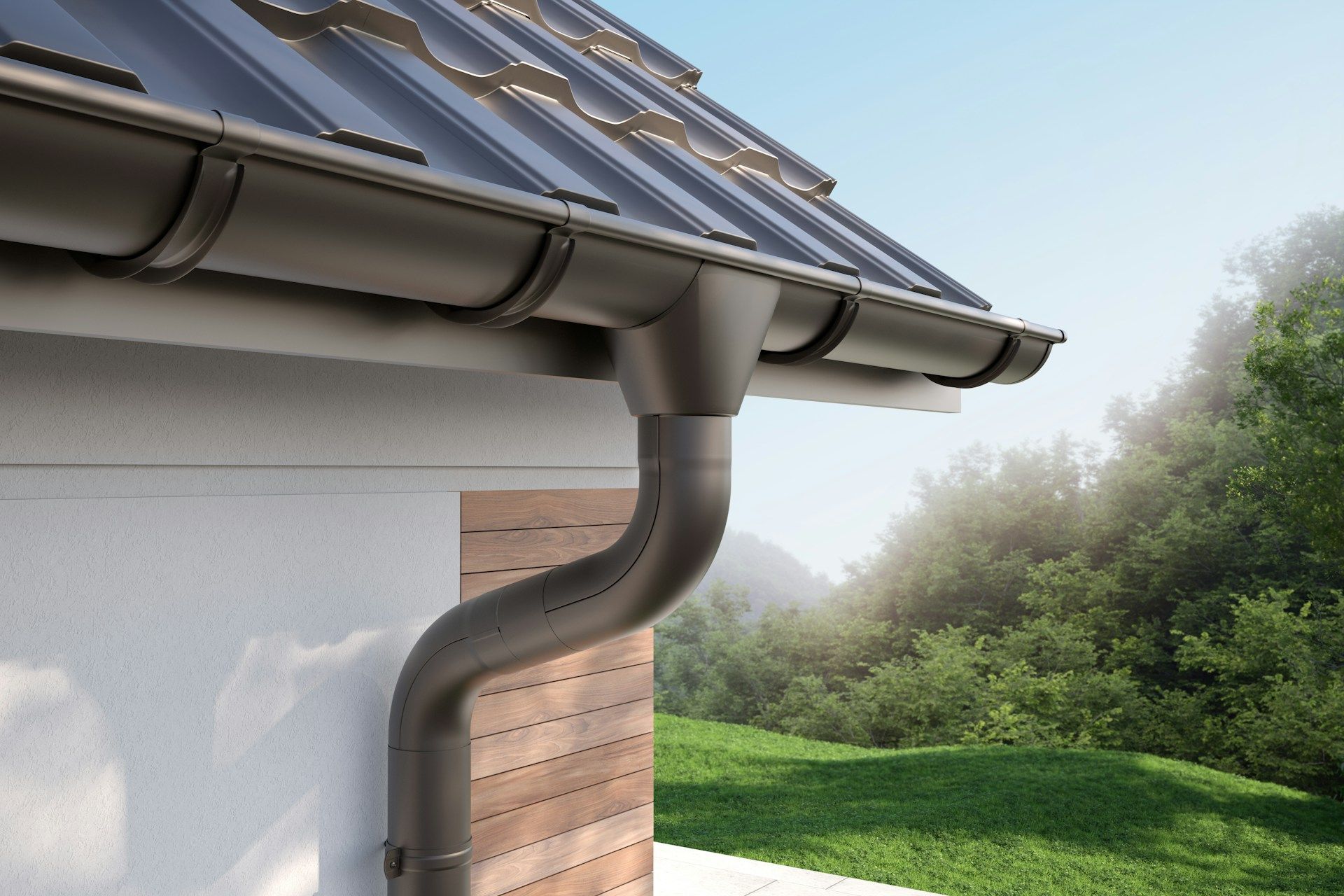
When gutters are blocked or undersized, water does not follow the clean path it should. Instead, it spills over the front, runs back behind the gutter, or finds shortcuts across your roof and solar panels. Each of these paths can slowly damage your system.
Panel soiling is one of the first signs. Instead of clean rainwater rinsing dirt away, you get dirty streaks formed by:
- Overflowing gutters sending murky water over the panel edges
- Leaf tannins, bird droppings and dust washing down in concentrated lines
- Moss and algae growing where water sits near the lower panel frame
Those streaks and patches cut light reaching the solar cells. Over time, that reduces the energy your system can produce and stretches out the payback period of your solar investment.
Water that does not drain properly can also create structural and electrical risks. Common trouble spots include:
- Moisture trapped around racking feet, flashing and fixings
- Water pooling near junction boxes and cable runs
- Accelerated rust on metal fixings in salty coastal air
On a windy, wet Tasmanian day, sea spray and rain can drive under panels and along the roof sheet. If the drainage is poor, that moisture can sit there instead of draining away. Corroded screws, damaged sealant and damp insulation are all possible outcomes that shorten the life of both roof and solar components.
There is also a safety and compliance angle. Unmanaged overflows around electrical equipment increase:
- Slip and trip hazards for homeowners and tradies
- Electrocution risk if water tracks into damaged cable joints or boxes
- The chance of warranty or insurance questions if damage is tied to poor drainage or lack of appropriate protection
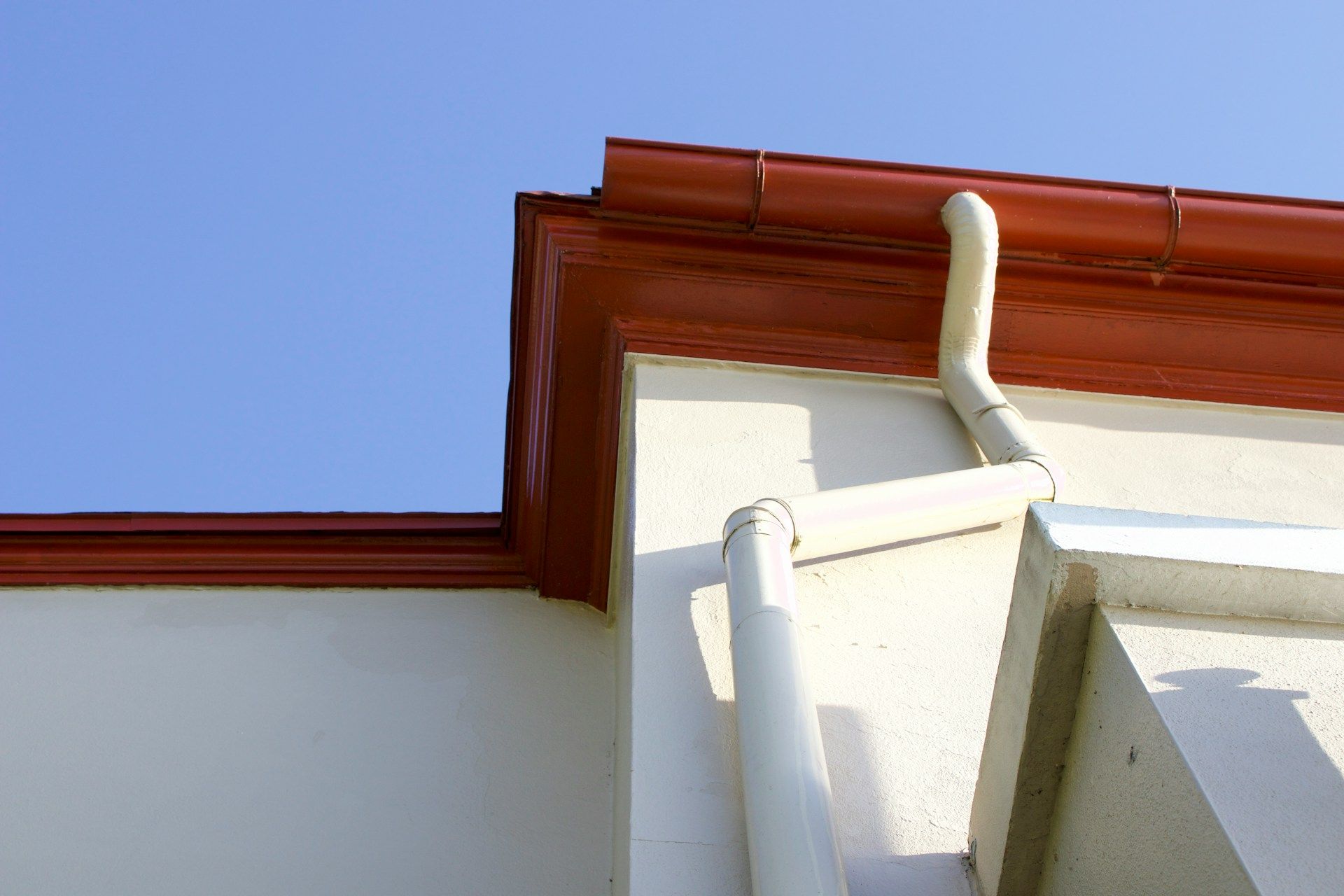
A healthy roof drainage system guides water from ridge to gutter to downpipe in a clean, predictable way. A failing one sends it across your panels, under your array and sometimes inside your home.
Recommended visual: Diagram showing correct water flow from ridge to gutter vs. problem paths across panels and into eaves.
Comparison Guide: Patch-up Fixes Vs. Full Roof and Solar Protection
Many homes sit in a cycle of patch-up fixes. A quick gutter clean here, a bit of silicone there, maybe a DIY gutter guard off the shelf. It helps for a while, but the same overflows and stains show up again when the weather turns wet.
A full-solution, asset-protection approach looks very different. Instead of reacting to each new leak or overflow, it focuses on the whole drainage chain: roof, gutters, downpipes and the areas around your solar array.
Patch-up Approach (Short-Term)
- Occasional gutter cleaning with no change to undersized or damaged gutters
- DIY gutter guard that does not match roof profile or local debris
- Temporary sealant applied around obvious leaks
- Repeated call-outs every time heavy rain exposes the same weak points
- Ongoing risk to solar performance and potential compliance questions
Full-Solution Approach (Long-Term Asset Protection)
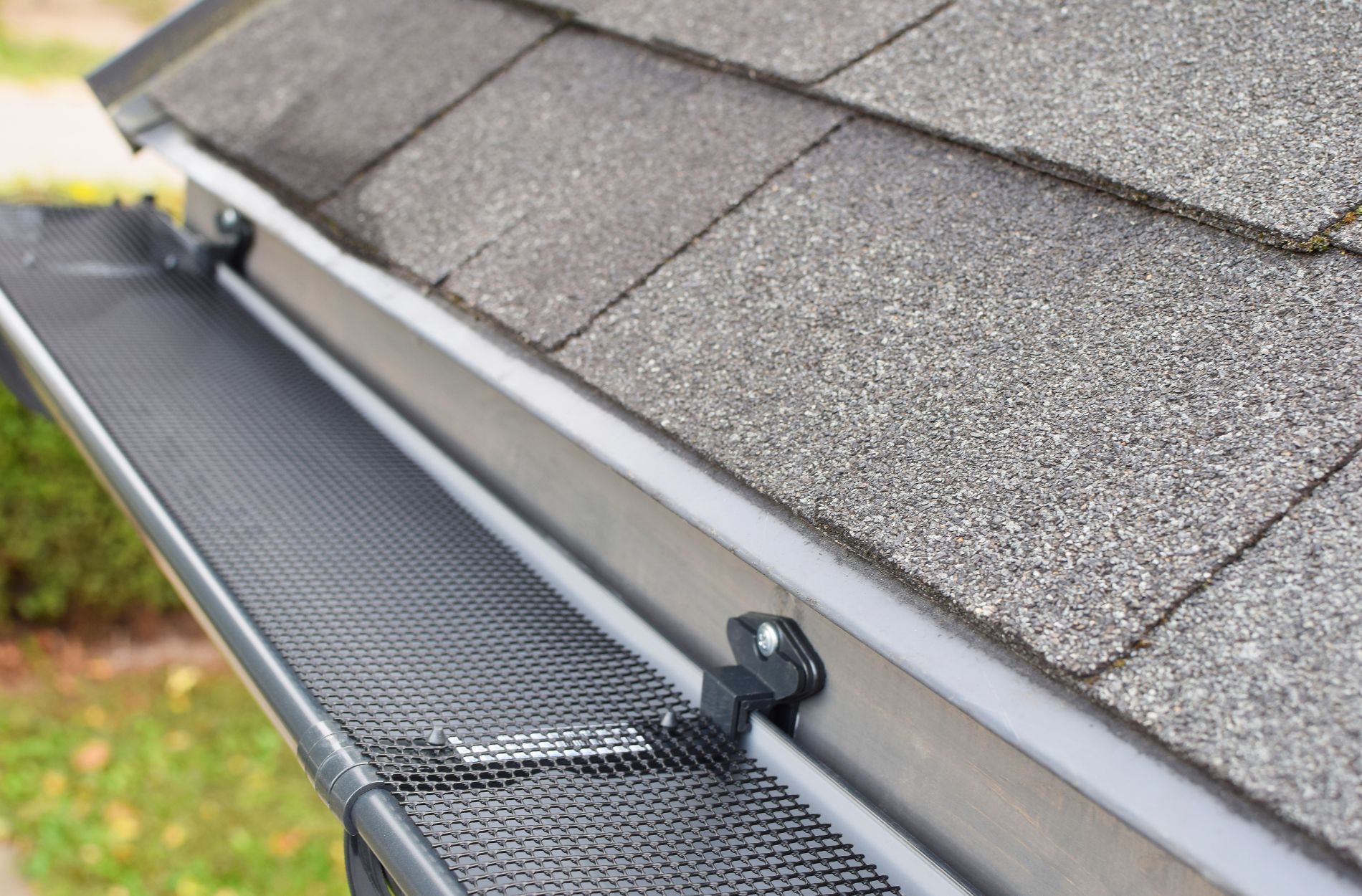
- Purpose-built gutter guards that match your roof profile and local debris
- Correctly sized gutters and downpipes that can cope with heavy Tassie rain
- Integrated detailing around solar arrays so water sheds cleanly past them
- Solar panel skirting to keep debris and pests out from under panels
- Reduced need for emergency visits and fewer interruptions to solar output
Targeted gutter replacement is often the key to solving chronic issues. Sections that are rusted, bent, too small or set with poor fall are the usual suspects. Replacing these with new, correctly graded gutters removes weak points where overflows tend to form, especially:
- Below roof valleys feeding a solar array
- Along verandahs and lower roofs that catch extra water
- Near downpipes that are always the first to block
This full-solution approach creates a genuine set-and-forget style of protection. Homeowners typically see:
- Longer gaps between any required servicing
- Safer access for trades that do need to go on the roof
- Fewer emergency call-outs in stormy weather
- More confidence that solar output and payback will stay steady through winter
Instead of paying for the same quick fixes over and over, you protect your roof and solar as one integrated system and support the long-term value of the solar investment.
Recommended visual: Table comparing "Patch-Up" vs. "Full Solution" across cost over 5 years, risk level, and impact on solar performance.
Solar Panel Skirting and Gutter Guards Working Together
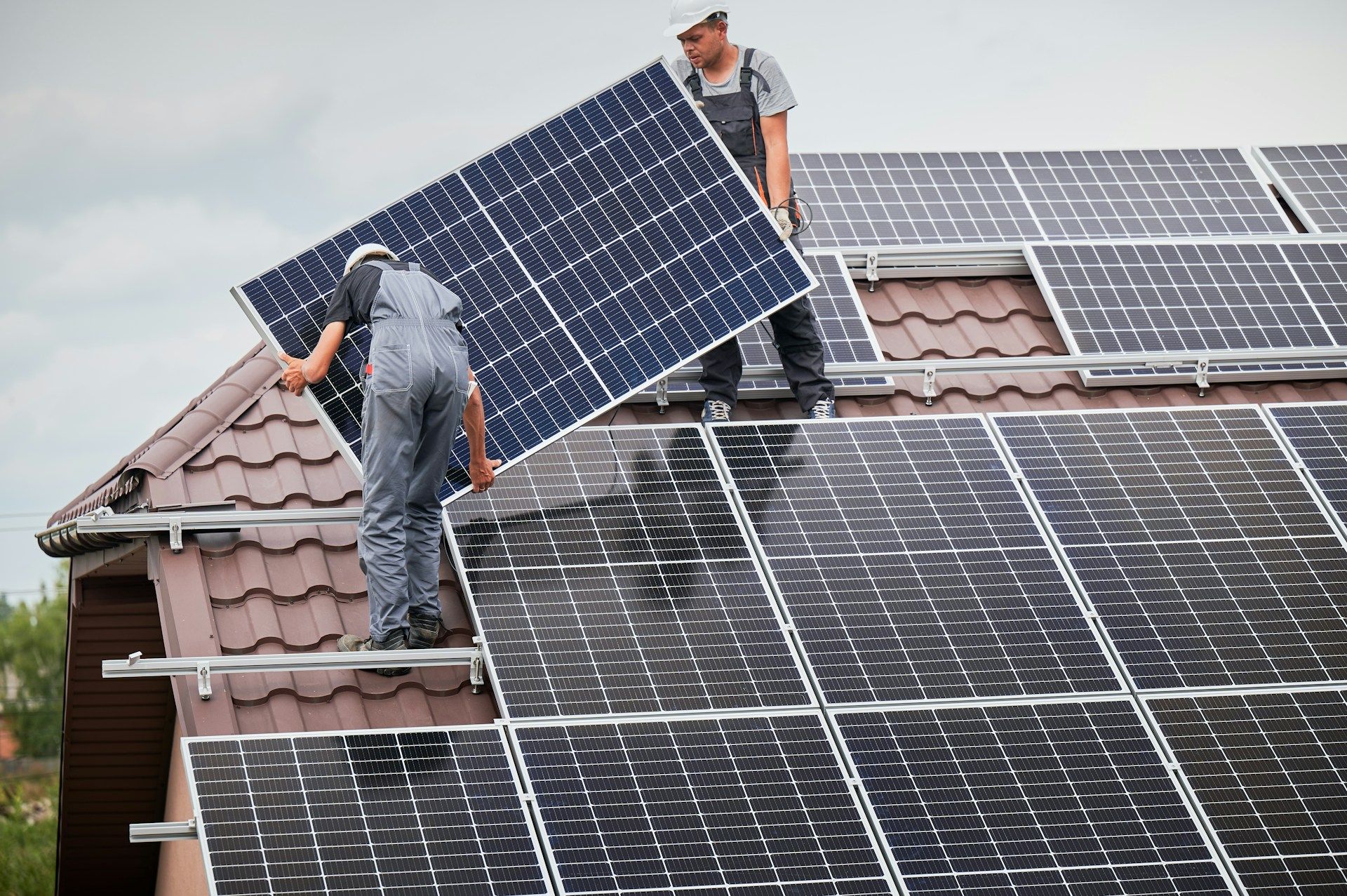
Solar panel skirting is a simple idea that makes a big difference on Tasmanian roofs. It is a barrier that closes the gap between the bottom edge of your panels and the roof surface. The right skirting keeps out birds, possums, leaves and wind-blown debris, while still allowing plenty of airflow so panels can stay cool.
Without skirting, the space under an array becomes a perfect nesting and dumping ground. Leaves blow in, birds bring sticks, and pests chew on cables. During heavy rain, that debris can block drainage paths and create wet, rotting piles under and around the panels.
When skirting is combined with quality gutter guards, the whole top edge of your roof works better. Together they:
- Stop most leaves before they even enter gutters or slide under panels
- Keep roof valleys, trays and gutters clearer for longer
- Limit the chance of moisture pockets and corrosion under the array
For your solar asset, that means:
- Cleaner panels for better light capture and return on investment
- Panels running at cooler temperatures, which supports performance and longevity
- Fewer pest nests and less risk of gnawed cables or damaged insulation
- Reduced chance of water ingress from blocked drainage points
Solar panel skirting in Hobart conditions has to handle wind, salt and local bird life. General mesh or basic DIY strips often do not sit neatly for long, leaving gaps that pests quickly find. A purpose-built system installed by specialists is designed to match your panels and roof, which helps it stay secure and effective across many seasons.
Recommended visual: Before/after photos showing debris and bird nesting under unprotected panels vs. clean, skirted array with clear gutters.
Before & After: A Tasmanian Full-Solution Scenario
On many Tasmanian homes, we see the same pattern repeat. Older gutters sit below a solar array, with regular overflows pouring down in heavy rain. Panel edges near those gutters show dirty lines and moss growth. Inside, there may be light staining on a ceiling close to that wall.
Before (Patch-up Cycle)
- Undersized, rusted gutters beneath the solar array
- Frequent overflows in heavy rain, with dirty streaks across panels
- Emerging ceiling stains and concern about hidden moisture damage
- Repeated short-term cleaning and small repairs, but no lasting solution
After (Full Protection Solution)
A full solution in that sort of situation usually includes:
- Replacing the worst sections of guttering that overflow or hold water
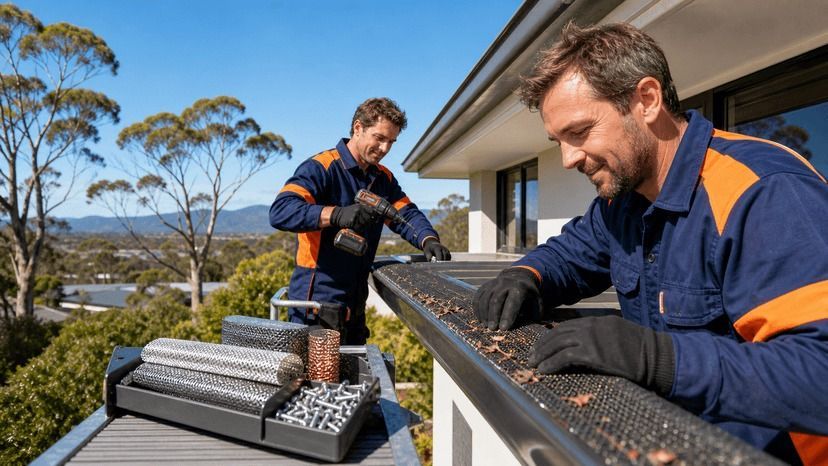
- Installing continuous gutter guards to stop leaves, bark and small branches entering
- Fitting solar panel skirting to block birds and debris from building up under the array
- Adding ember or bird proofing where the roof design or location calls for it
The outcomes tend to be clear after the next few storms. Homeowners notice:
- Far less visible dirt streaking from the gutter edge across the panels
- No fresh overflow marks on the fascia or walls
- Fewer unplanned visits from service trades
- Safer and tidier roof areas whenever anyone does need access
- Better protection of the solar system, supporting more reliable long-term returns
While every property is different, the pattern is similar: once the roof drainage, gutters and panel edges are working together, the whole solar system is better protected for the long term.
Recommended visual: Side-by-side before/after photos of fascia, gutters and solar array showing overflow staining vs. clean, upgraded system.
Safety Checklist: Winter-Ready, Compliant Solar Protection
As wetter, windier months approach, it makes sense to check that your roof and gutters will support, not threaten, your solar system. A simple seasonal checklist helps prevent problems before they show up as leaks, stains or lower power bills.
Homeowner Safety & Compliance Checklist
- Do not walk on steep, wet or mossy roofs, or near live solar equipment without proper training and safety gear.
- Arrange a professional inspection of your roof, gutters and the areas around your solar array.
- Ask the inspector to pay special attention to roof valleys, downpipes and sections that already show overflow marks.
- Confirm whether existing gutters are correctly sized and graded for local Tasmanian rainfall.
- Ask about purpose-designed gutter guards and solar panel skirting that suit Tasmanian wind, salt and debris conditions.
- Ensure products and installation methods meet relevant Australian standards and manufacturer requirements, to help protect warranties and insurance.
- Keep photos and documentation of upgrades for future warranty and insurance queries.
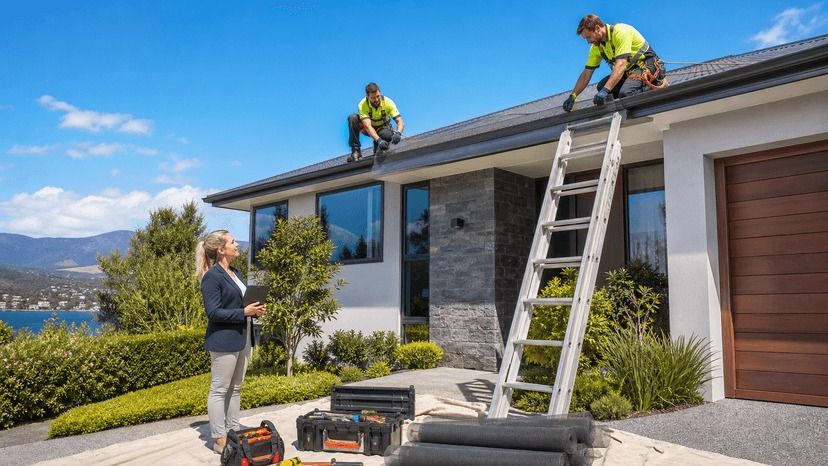
Safety comes first. Steep, wet or mossy roofs are risky, and solar arrays add extra trip and electrical hazards. It is always better to have trained, properly equipped people handle gutter replacement, gutter guards and solar panel skirting, rather than trying DIY options that may create new risks or compliance issues.
Protecting Your Solar as a Long-Term Asset
By treating your roof drainage, gutters and solar array as one connected system, you shift from short-term cleaning to long-term asset protection. That approach:
- Helps safeguard the structural integrity of your roof
- Supports consistent solar production and payback over the life of the system
- Reduces unplanned maintenance and emergency call-outs
- Improves safety and compliance around electrical equipment
For Tasmanian homes, full-solution gutter replacement, gutter guards and solar panel skirting are not just about tidy rooflines. They are an investment in the performance, safety and longevity of the solar asset powering your home.
Get Started With Your Project Today
If you are ready to protect your investment and improve energy efficiency, we are here to help with professional
solar panel skirting in Hobart. Our experienced team at Hobart Gutter Guard Co will assess your roof, discuss practical options and provide a clear, no-obligation quote. Reach out today via our
contact us page so we can schedule a convenient time to get your project underway.

Get a Free Measure and Quote
- No More Cleaning Blocked Gutters
- Keep Out Birds, Leaves & Debris (100% Bird Proof Gutters)
- Protect Your Gutters & Home From Costly Water Damage and Fire Threats
- Gutter Guard & Ember Guard
- Free Gutter and Solar Panel Clean With New Installs