
Hobart Gutter Guard Co Blog
Hobart Case Study: Energy and Maintenance Savings From Pest-Proof Solar Skirting

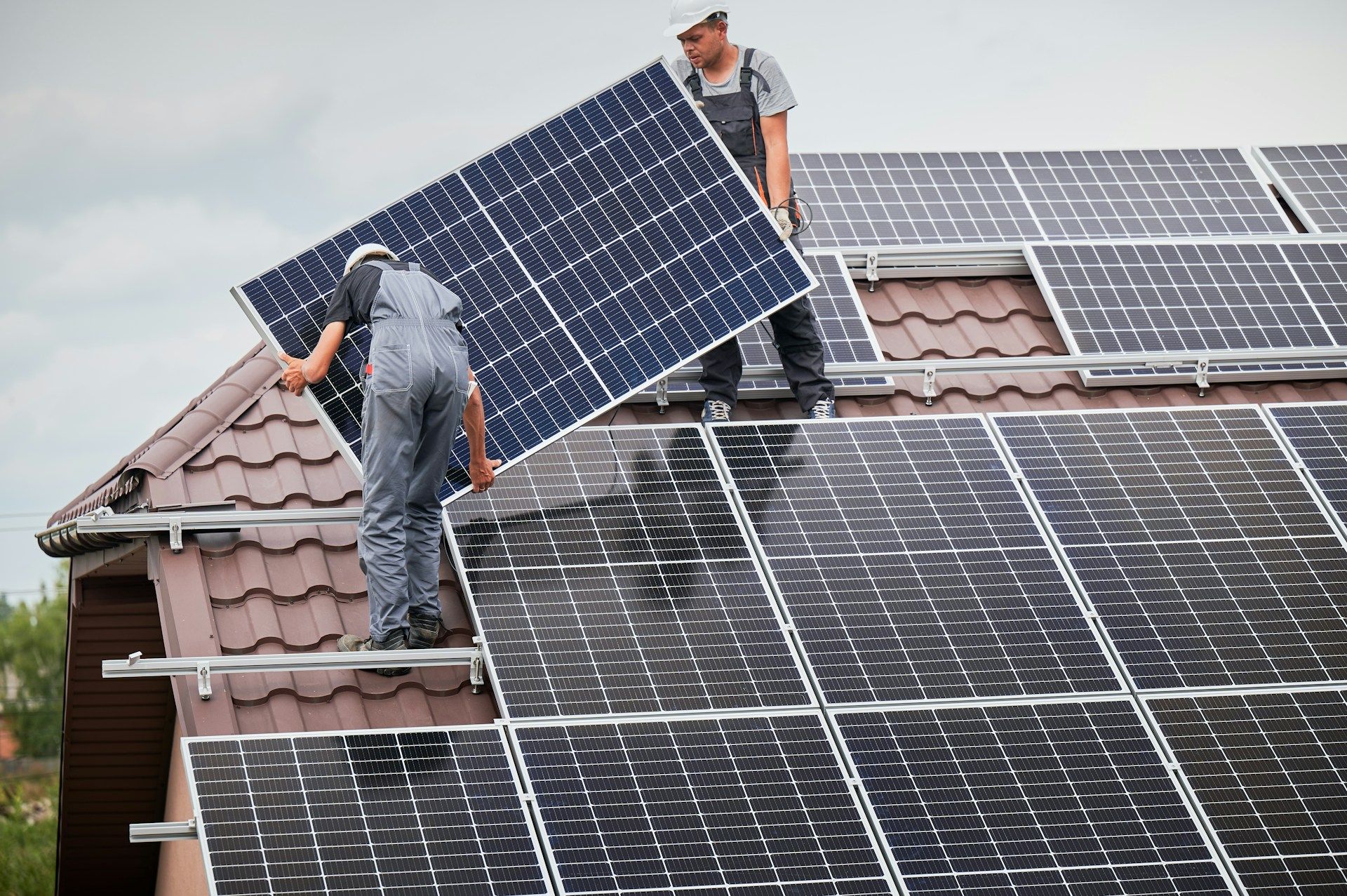
How Pest-Proof Solar Skirting Boosted a Hobart Rooftop Asset
Solar panels should feel like a long‑term upgrade, not a short‑term experiment that starts strong then slowly drops away. Many Hobart homeowners invest in a solid 6 to 10 kW solar system, expect a big drop in power bills, then notice the numbers on the inverter slipping over time without any clear reason.
On a lot of local roofs, the cause is not the panels or the inverter. The problem sits just under the array. Birds, possums and wind‑blown debris move into the gap between the panels and the roof sheets, turning it into a warm, dry nesting spot. That nesting creates shading, mess and stress on wiring, which quietly cuts into your daily solar output.
Solar panel skirting in Hobart is about protecting that investment. It is not only about less cleaning or fewer pests; it is about keeping the system performing as an asset for 10 to 20 years, so the panels keep doing the job you paid for.
The Hidden Costs of Unprotected Solar Panels in Hobart
When birds and possums move under panels, they bring a mix of problems with them. The issues are easy to ignore at first, but they build over each season.
Common performance impacts include:
- Partial shading from nests and leaf build-up
- Hot spots where shaded cells work harder and heat up
- Shorter generation windows on already short winter days
- Inconsistent readings that are hard to track in monitoring apps
Less sunlight hitting your panels means fewer kilowatt hours every single day. In winter, when Hobart already has shorter days and lower sun angles, that shading is felt even more. A small amount of blocked light at the bottom edge of a panel can affect a much larger section of the array.
The mess also sets up ongoing maintenance issues:
- Frequent solar cleaning to clear droppings and debris
- Pest control visits to remove nests and animals
- Checks on wiring for chew marks or loose conduit
- Risk of corrosion where droppings sit on roof sheets or gutters
On top of the direct cleaning and pest control costs, there is a silent cost in lost generation. Every day that part of your array is shaded or dirty, your system is giving you less power than it could. Over years, that gap adds up and eats into the return on your solar spend.
Case Study Setup: A Hobart Homeowner Under Siege by Birds
This case focuses on a typical Hobart home with a mid‑sized solar array on a metal roof in a leafy suburb. The panels were set on a common roof pitch with plenty of nearby trees that attract birds. From the street the panels still looked fine, but life under the array was a different story.
Before: Problem State (Solar & Roof Asset at Risk)
Before installing skirting, the roof showed clear signs of trouble:
- Constant bird noise from under and around the panels
- Droppings across the roof, gutters and outdoor living area
- Feathers and nesting material washing into the gutters
- Inverter warnings popping up more often than before
The homeowner was stuck in a cycle of:
- Regular gutter cleaning to clear blockages
- Frequent solar cleaning visits to keep the glass clear
- Ongoing worry about what was happening to the hidden wiring
- Concerns about long‑term damage to roof sheets and gutters
The solar system that was meant to feel like a set‑and‑forget upgrade had turned into a regular maintenance job. The homeowner wanted the performance back and some peace of mind.
Problem/Solution Explainer: How Solar Skirting Protects Performance
Problem (Video‑Style Outline)
1. Opening shot:
Wide shot of the Hobart home, focusing on the solar array and surrounding trees.
2. Close‑up: Camera moves under the panel edge showing nests, droppings and chewed insulation.
3. Overlay graphic: Diagram shows how partial shading and hot spots reduce kilowatt‑hour output and increase stress on components over time.
Solution
4. Installer walk‑through:
A technician explains why skirting is added around the array perimeter to keep birds and debris out.
5. Animated overlay: Arrows showing continued airflow and water run‑off even with skirting installed.
6. Result shot: Finished system with neat skirting, clean roof surface and clear gutters.
The Solar Skirting Solution and Technical Installation Process
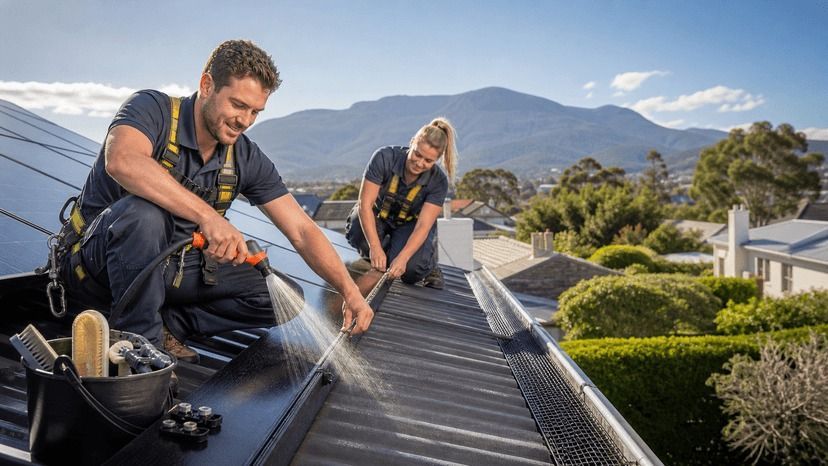
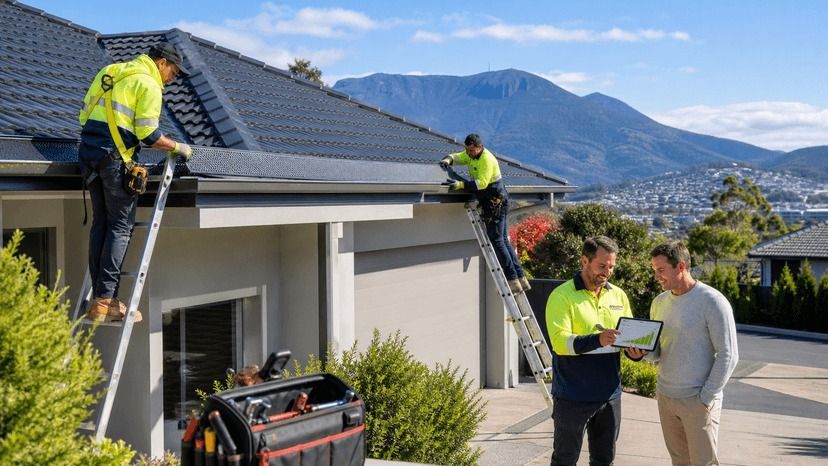
Our first step was a full assessment of the roof and solar array. We carefully inspected the perimeter of the panels, the condition of the roof sheets and gutters, and any visible wiring. We mapped out the entry points where birds were getting under the panels and checked the state of the mounting hardware.
The pest‑proof solar skirting system we use is designed for this kind of Hobart roof. It creates a neat barrier around the edge of the solar array so birds and animals cannot slip underneath, while still allowing:
- Airflow to keep panels operating at the right temperature
- Easy water run‑off so leaf litter does not pile up
- Access for future servicing if needed
Key steps in the installation process included:
- Setting up safe roof access and fall protection
- Cleaning and preparing the panel edges
- Fixing the skirting securely to the panel frames, not through the roof sheets
- Trimming and shaping around corners, brackets and conduits
- Finishing with a full visual and safety check
By fixing to the panel frames rather than the roofing, the skirting protects both the panels and the roof. There are no extra penetrations and no gaps for determined birds to squeeze through.
Measured Energy Gains and Maintenance Savings Over 12 Months
The homeowner had a full year of solar production data from before the skirting was installed, plus monitoring from the 12 months after. When we compared the two periods and allowed for weather differences, the pattern was clear.
After skirting was installed, the system:
- Produced more kilowatt hours on average across the year
- Showed more stable performance through winter, with fewer low days caused by nesting and mess
- Recorded fewer inverter warnings linked to shading or irregular output
When those extra kilowatt hours are multiplied by a typical Hobart electricity tariff, the improvement shows up as a clear reduction on power bills. Spread over 5 to 10 years, that uplift supports the idea of skirting as an investment in system performance, not just another cost.
Maintenance also shifted:
- No pest control call‑outs for birds under the panels
- Fewer solar cleaning visits, since droppings and nesting mess reduced
- Less time spent on the roof checking for nests, blockages or damage
By keeping animals and debris out from under the panels, the risk of future wiring repairs or damage to the roof surface is also reduced. Those are the kinds of problems that can be expensive and disruptive if they appear later in the life of the system.
Visual Transformation: From Messy Roof Risk to Clean Energy Asset
The visual change on the roof was just as noticeable as the performance lift. A clear before‑and‑after comparison underlines the asset‑protection outcome.
Before (Problem State):
- Gaps along the edges of panels, perfect for nesting
- Feathers and sticks poking out from under the array
- Droppings streaking down roof sheets and into gutters
- Gutters filling with nesting material and sludge
After (Protected Asset):
- Clean skirting running neatly around each panel edge
- No visible entry points for birds or possums
- Roof sheets and panels staying cleaner between rain events
- Gutters flowing more freely with far less debris
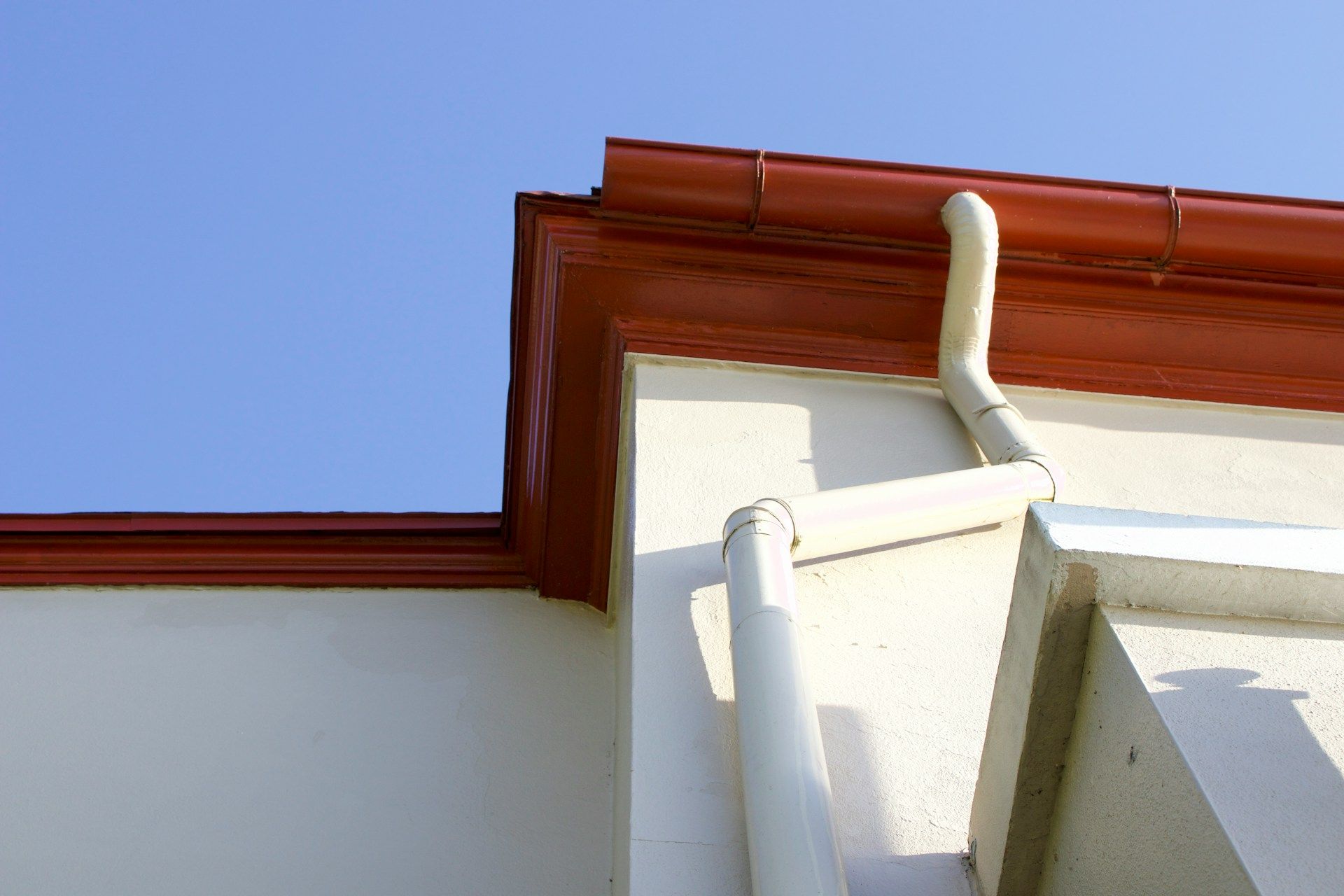
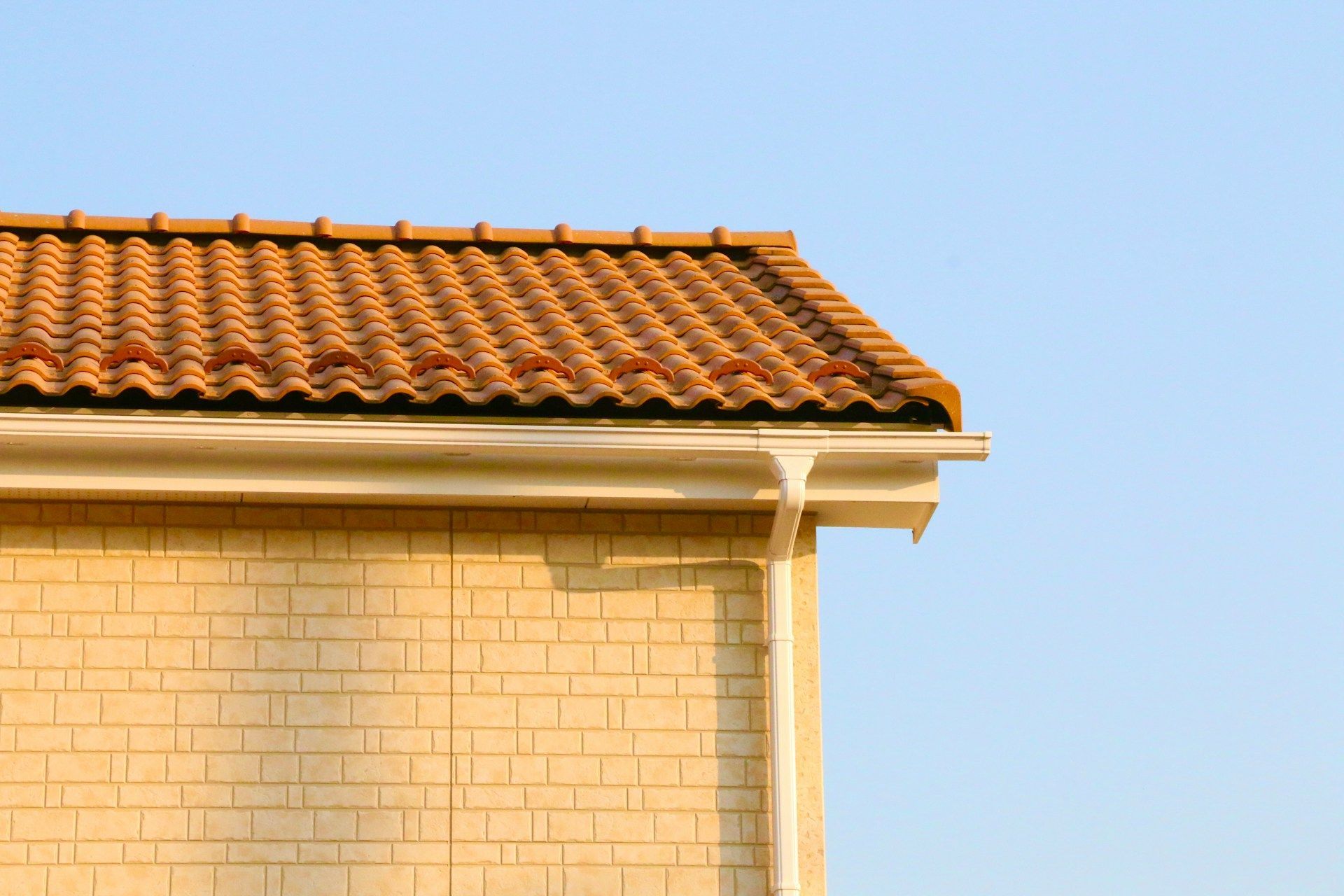
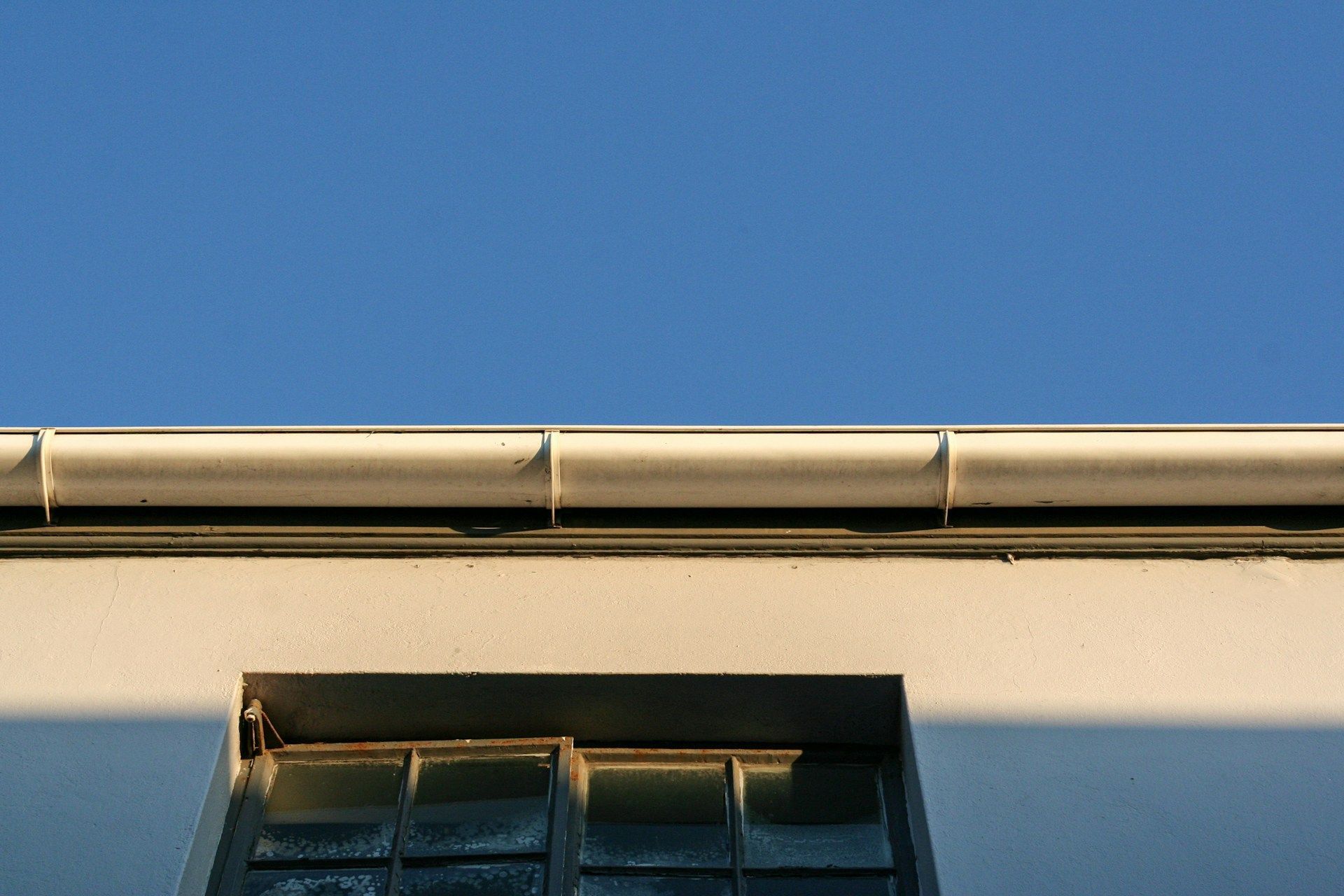
Pairing the skirting with quality gutter guard and, where needed, new gutters creates an even sharper before and after. Instead of a messy, risky roofscape that drags down kerb appeal, the home presents as tidy, well protected and looked after. That kind of first impression supports property value and shows that the solar system is a cared‑for asset, not an afterthought.
Gutter Guard & Ember Guard: Comparison Guide for Safer Rooflines
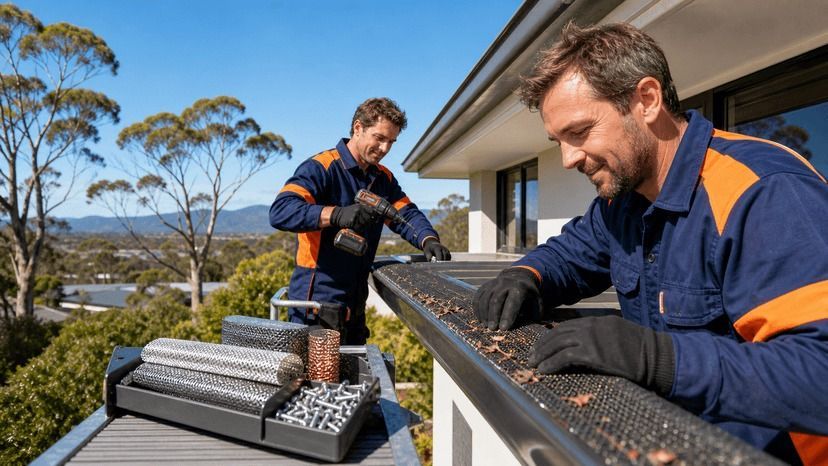
To complete the protection of the roof and solar investment, gutter guard and ember guard can be added alongside solar skirting. The following comparison guide helps clarify their roles.
Gutter Guard vs Ember Guard: At a Glance
- Primary purpose:
Gutter Guard, keeps leaves and debris out of gutters to maintain water flow and reduce rust and overflow; Ember Guard, uses finer mesh to reduce the entry of wind‑borne embers in higher bushfire‑risk locations.
- Mesh aperture: Gutter Guard, larger apertures suitable for leaf and debris exclusion; Ember Guard, smaller apertures designed to meet relevant ember‑resistance guidelines where applicable.
- Main asset protection benefit: Gutter Guard, protects gutters, fascia, and eaves from water damage and corrosion, and supports clear drainage around the home; Ember Guard, adds an extra layer of protection for roof cavities and gutters in areas where ember attack is a concern.
- Ideal use case: Gutter Guard, leafy Hobart suburbs where gutters frequently block and overflow; Ember Guard, properties near bushland or in identified higher‑risk fire zones.
Roofline Safety Checklist (Gutter Guard & Ember Guard)
Homeowners can use this simple checklist to keep the roof performing as a long‑term asset:
1. Visual Inspection
- Check for visible leaf build‑up along gutter lines after wind or storms.
- Look for staining on fascia or walls that could indicate overflow.
2. Mesh Condition
- Confirm that gutter guard or ember guard mesh is intact, securely fixed and not sagging.
- Check that mesh overlaps and joins are tight, with no gaps for debris to enter.
3. Downpipe Performance
- During rain, confirm water is flowing freely from downpipes without spilling over gutter edges.
4. Interaction With Solar Skirting
- Ensure skirting and mesh work together without trapping debris at the base of the array.
- Confirm there are clear pathways for water to move from roof sheets into gutters and downpipes.
5. Service Intervals
- Arrange periodic professional inspections, particularly after major weather events or if nearby vegetation changes significantly.
Before & After: Gutter Replacement as an Investment in the Roof Asset
On similar Hobart properties, gutter replacement has transformed the way the whole roof system performs.
Before: Ageing, Maintenance‑Heavy Gutters
- Rusted sections leading to leaks and staining on fascia.
- Poorly shaped gutters that held standing water near joints.
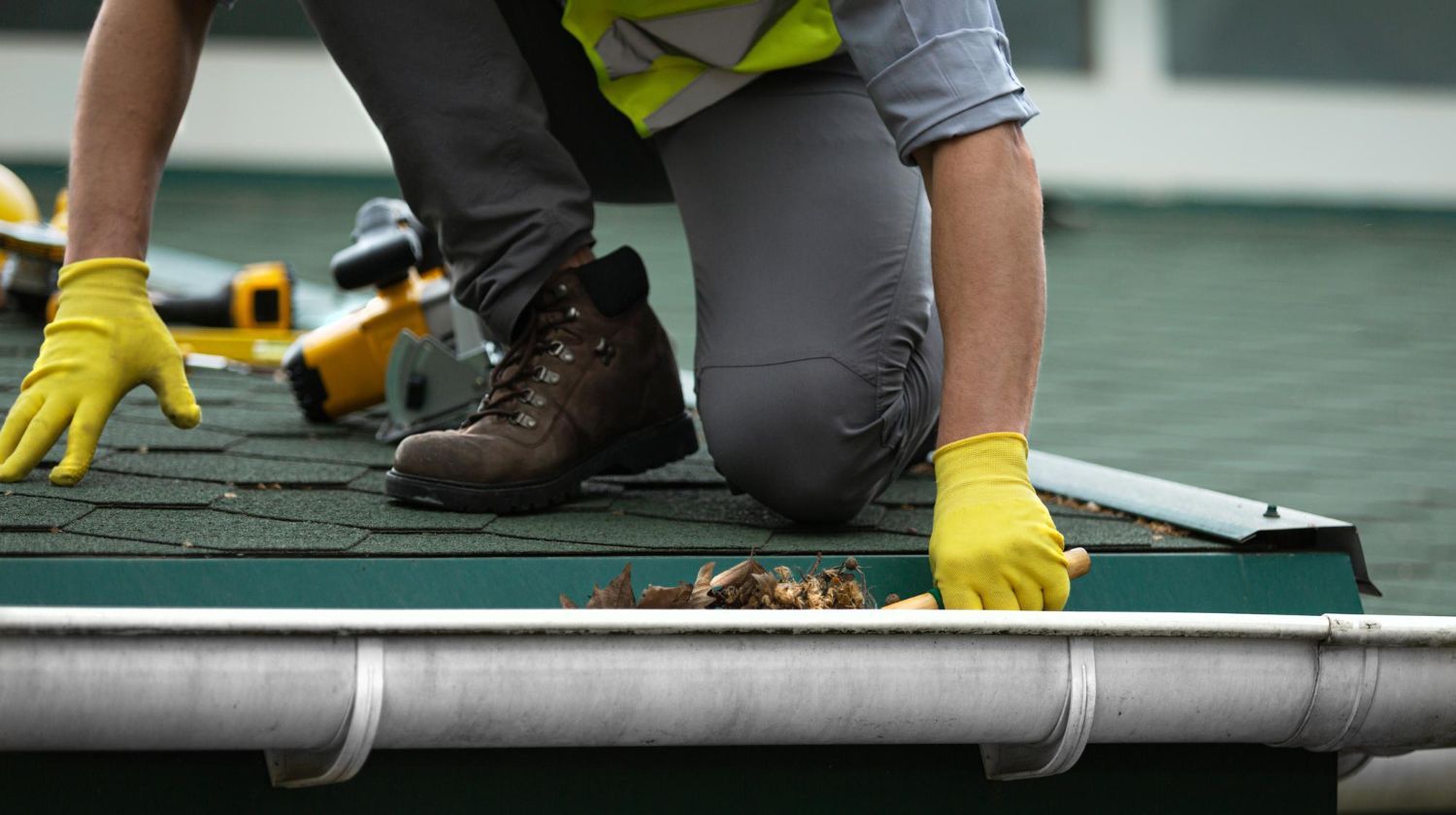
- Frequent blockages at downpipes from leaf and nesting material.
- Overflow events that threatened eaves, walls and foundations.
After: New, Asset‑Protecting Gutters
- Correctly sized and shaped gutters that move water efficiently off the roof.
- New, corrosion‑resistant materials that protect fascia and roof edges.
- Integrated gutter guard fitted from day one to minimise debris entry.
- Cleaner wall lines and improved kerb appeal, supporting property value.
These changes shift gutters from being a recurring maintenance problem to a structural component that actively protects the home and supports the performance of the solar asset.
Beyond Solar: An Integrated Protection Strategy for Long‑Term Returns
Solar panel skirting in Hobart works at its best when it is part of a wider roof protection plan. Keeping birds out from under the panels is a big win, but leaves and nesting material can still cause trouble if they are free to fill gutters and downpipes.
A combined approach often includes:
- Solar skirting to block access under the panels and protect solar performance.
- Gutter guard to keep leaves and debris out of the gutters.
- Ember guard where needed in higher‑risk zones.
- Gutter replacement where existing gutters are rusted or poorly shaped.
Thinking of skirting, gutter guard, ember guard and gutter replacement as one integrated protection strategy, rather than separate maintenance jobs, shifts the focus firmly to long‑term asset care. The solar system, the roof and the gutters all work together to protect the home and support stable solar returns, season after season.
When viewed through this lens, each upgrade is not just a cleaning or maintenance task. It is a targeted investment in the performance, safety and value of the property as a whole.
Get Started With Your Project Today
If you are ready to protect your solar investment and keep it performing at its best, our team at Hobart Gutter Guard Co is here to help. Find out how our
solar panel skirting in Hobart can reduce maintenance, improve safety and tidy up the look of your roof. We will assess your setup, talk you through practical options and provide a clear, upfront quote. Have questions or want to book a visit? Simply
contact us and we will get back to you promptly.


Get a Free Measure and Quote
- No More Cleaning Blocked Gutters
- Keep Out Birds, Leaves & Debris (100% Bird Proof Gutters)
- Protect Your Gutters & Home From Costly Water Damage and Fire Threats
- Gutter Guard & Ember Guard
- Free Gutter and Solar Panel Clean With New Installs