
Hobart Gutter Guard Co Blog
Why Bushfire Rated Gutter Guards Matter in Tasmania
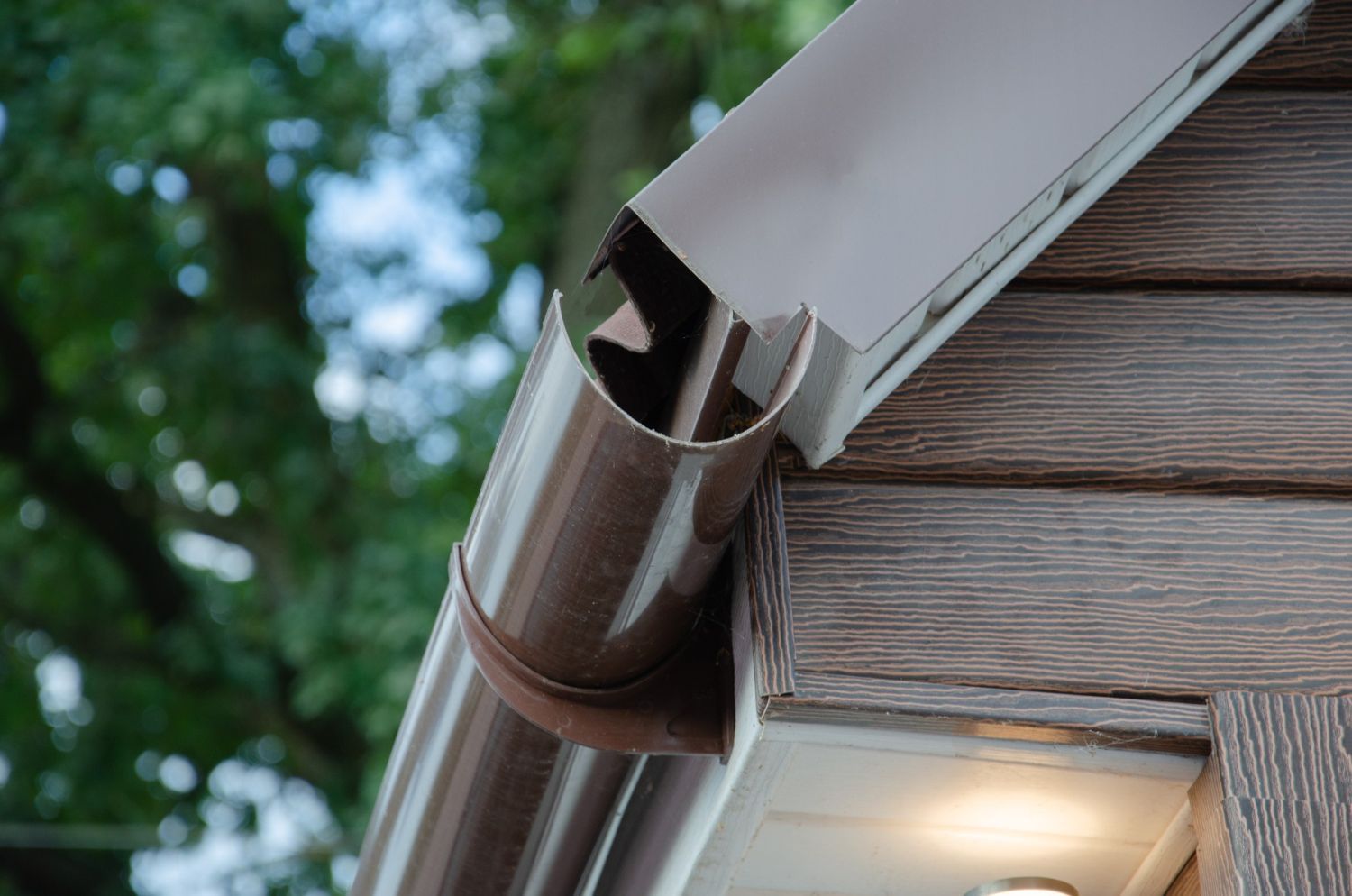
Protecting Your Home Before the Next Bushfire Season
On a hot, windy Tassie day, it does not take long for a fire in the bush to send embers travelling ahead of the front. Those embers can land quietly in dry, leaf-filled gutters, smoulder, then flare up at the worst possible moment. For many homes around Hobart, Launceston, the Huon and the East Coast, the real danger often starts at the roofline, not at the fenceline.
That is why bushfire-rated gutter guards are no longer just a handy add-on for people who do not like ladders. They are a serious layer of asset protection that supports your roof, your solar, and the long-term value and insurability of your home. At Hobart Gutter Guard Co, we focus on systems that can stand up to Tasmanian conditions, including gutter guards, ember guards, gutter replacement, bird-proofing and solar panel protection.
In this article, we will look at why bushfire ratings matter in Tasmania, how the right gutter guard system protects your roof and solar panels, what to look for when comparing products, and some real-world before-and-after case studies you can easily picture on your own home.
Why Tasmanian Homes Face Unique Bushfire Risks
Tasmania has a mix of dense bushland, steep blocks and suburbs that back straight onto reserves or plantations. Many homes around Hobart and Launceston have tall eucalypts close by, constantly dropping leaves, bark and twigs into gutters and roof valleys. On a windy day in fire season, that fuel load becomes a very real ignition risk.
The gutter line is often the weak link. Embers do not need direct flame to get started. They can land in:
- Gutters packed with dry leaves and bark
- Roof valleys where debris has built up over time
- Traps around solar panel frames and brackets
Those little ignition points may flare well before the main fire front arrives, turning the roof cavity into the entry point for fire. Once it is inside the roof, it is far harder to control and the risk to your home as an asset increases sharply.
Solar installations are another factor. As more homes across Hobart and Launceston add panels, we see more leaf build-up around and underneath arrays. From ground level, everything can look fine, but from the roof you often find:
- Leaves wedged under the lower edge of panels
- Birds nesting around cabling and brackets
- Debris trapped where rails meet the roof
Instead of just thinking, “I should clean the gutters more often,” the real shift in thinking is, “How do I reduce the amount of combustible material that can ever build up on my roof in the first place, so I can protect my home and solar investment?” Bushfire-rated gutter guards are one of the most direct ways to do that.
Comparison Guide: What Makes Gutter Guards Truly Bushfire Rated
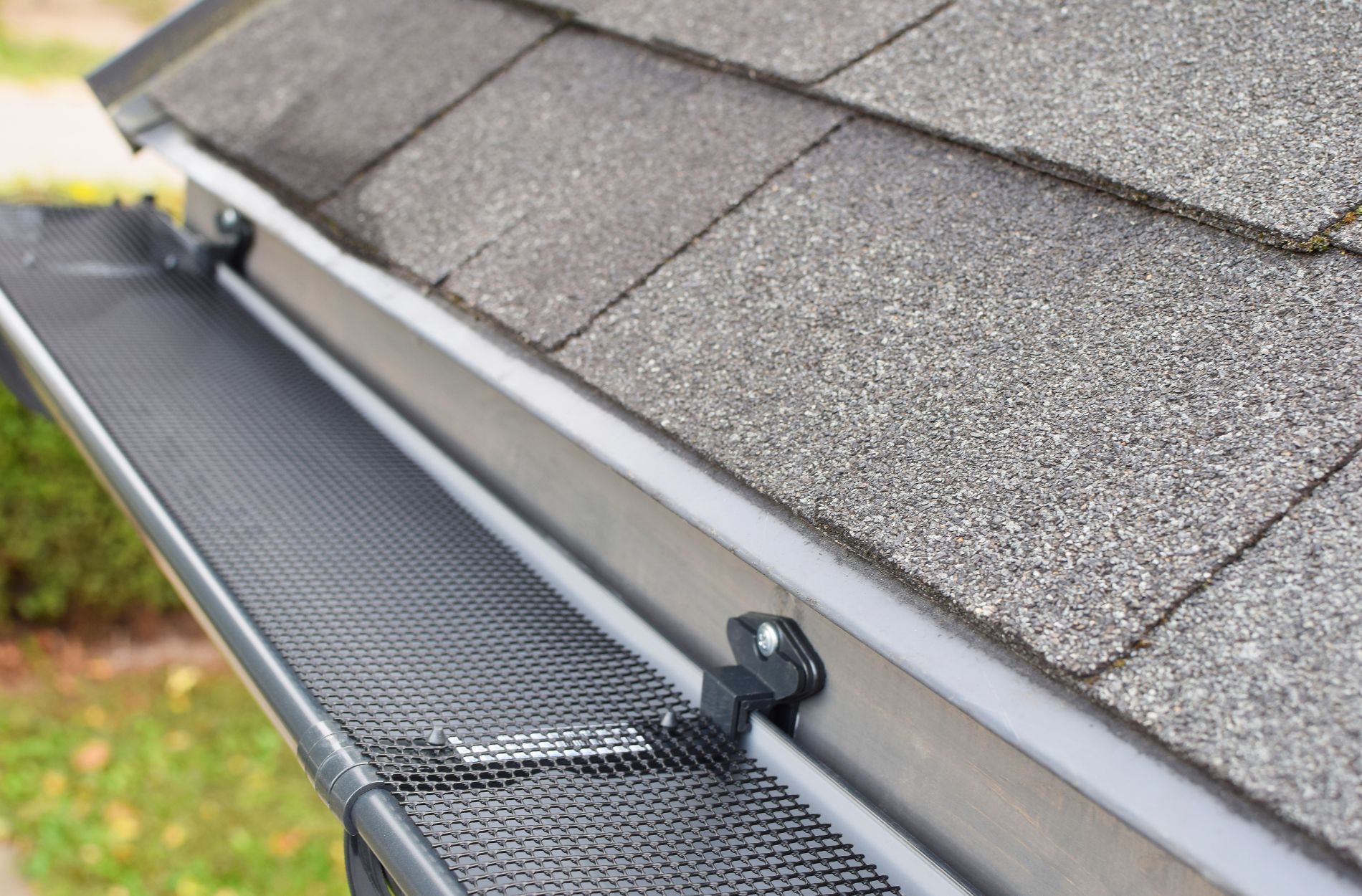
Not every product sold as a gutter guard is suitable in a bushfire-prone area. When we talk about bushfire-rated gutter guards, we mean systems that are designed to meet relevant Bushfire Attack Level (BAL) and ember protection requirements, using non-combustible mesh and correct installation methods.
Key features to look for include:
- Non-combustible materials, usually aluminium or steel mesh
- Aperture size fine enough to resist ember entry
- Secure fixing to both the roof and gutter edge
- Full coverage so leaves do not collect on the lip of the gutter
Gutter Guard Comparison Checklist
Cheap plastic mesh from hardware stores vs bushfire-rated metal mesh:
- Plastic can warp, crack and become brittle in the sun, and it is combustible, increasing fire risk.
- Quality metal mesh is designed to handle UV, heat and flying embers without feeding a fire, helping protect the structure beneath.
Short, drop-in leaf guards vs fully sealed roof-to-gutter systems:
- Short inserts only sit inside the gutter, often leaving gaps at the edge where leaves still pile up and can threaten the roofline.
- A roof-to-gutter system creates a continuous surface from roof sheet or tile to gutter lip, so debris is more likely to blow off and is less able to threaten the asset over time.
DIY install vs professional fitting:
- DIY solutions may not suit your specific roof profile or local bushfire considerations, which can leave vulnerabilities in your asset protection strategy.
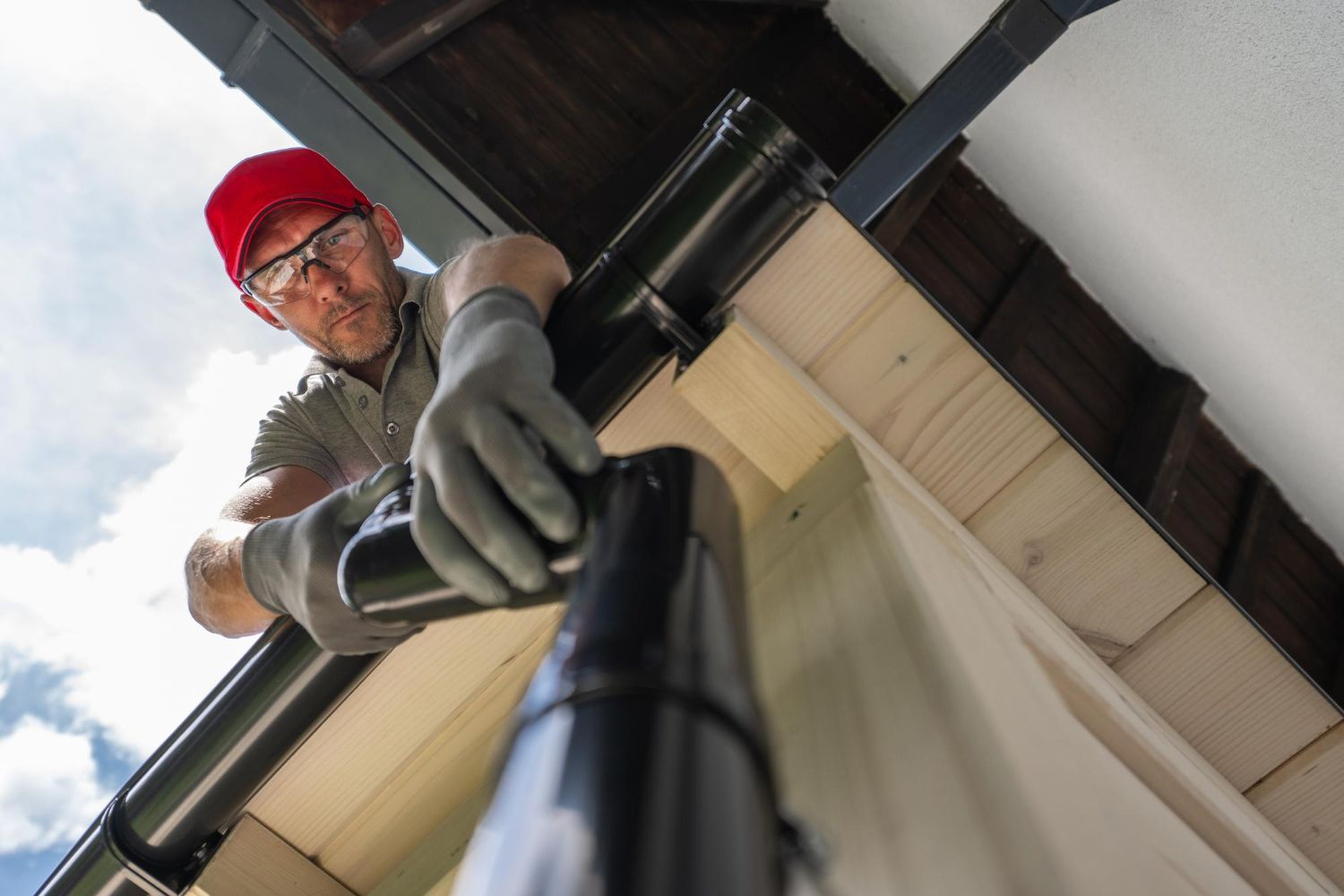
- A professional install can match the mesh and fixing method to Colorbond, tile or older gutters, and take into account how wind and debris move around your home to maximise protection.
Proper ember guards are one part of a broader strategy that can also include cleared zones, sensible landscaping and sealed roof penetrations. At Hobart Gutter Guard Co, we supply and install systems designed for Tasmanian conditions, from coastal properties to cooler inland areas.
From Maintenance Chore to Long-Term Asset Protection
Many people first look at gutter guards to avoid regular cleaning. That is a helpful side benefit, but it is only part of the story. We see gutter protection first and foremost as asset protection for the structure and value of your home.
A well-designed gutter and ember guard system helps protect:
- Roof framing and battens from ember entry
- Insulation and ceilings from both fire and overflow leaks
- Eaves, fascias and foundations from constant water run-off that can damage building materials
- Solar panel cabling and junction boxes from hot debris build-up that can affect system performance and longevity
Financially, the right system supports the long-term performance of your roof and solar investment by keeping water moving where it should and debris out of trouble spots. Over time, that can help reduce damage-related repair costs and support insurability and resale value, with reduced maintenance needs as a secondary advantage.
Gutter replacement and gutter guards often go hand in hand. If gutters are rusted, sagging or poorly pitched, they may overflow or hold water even with a guard fitted. Replacing them at the same time as installing bushfire-rated mesh means the whole system is working together to:
- Catch and move water efficiently
- Shed leaves instead of collecting them
- Reduce the chance of hidden corrosion and leaks that can devalue your property
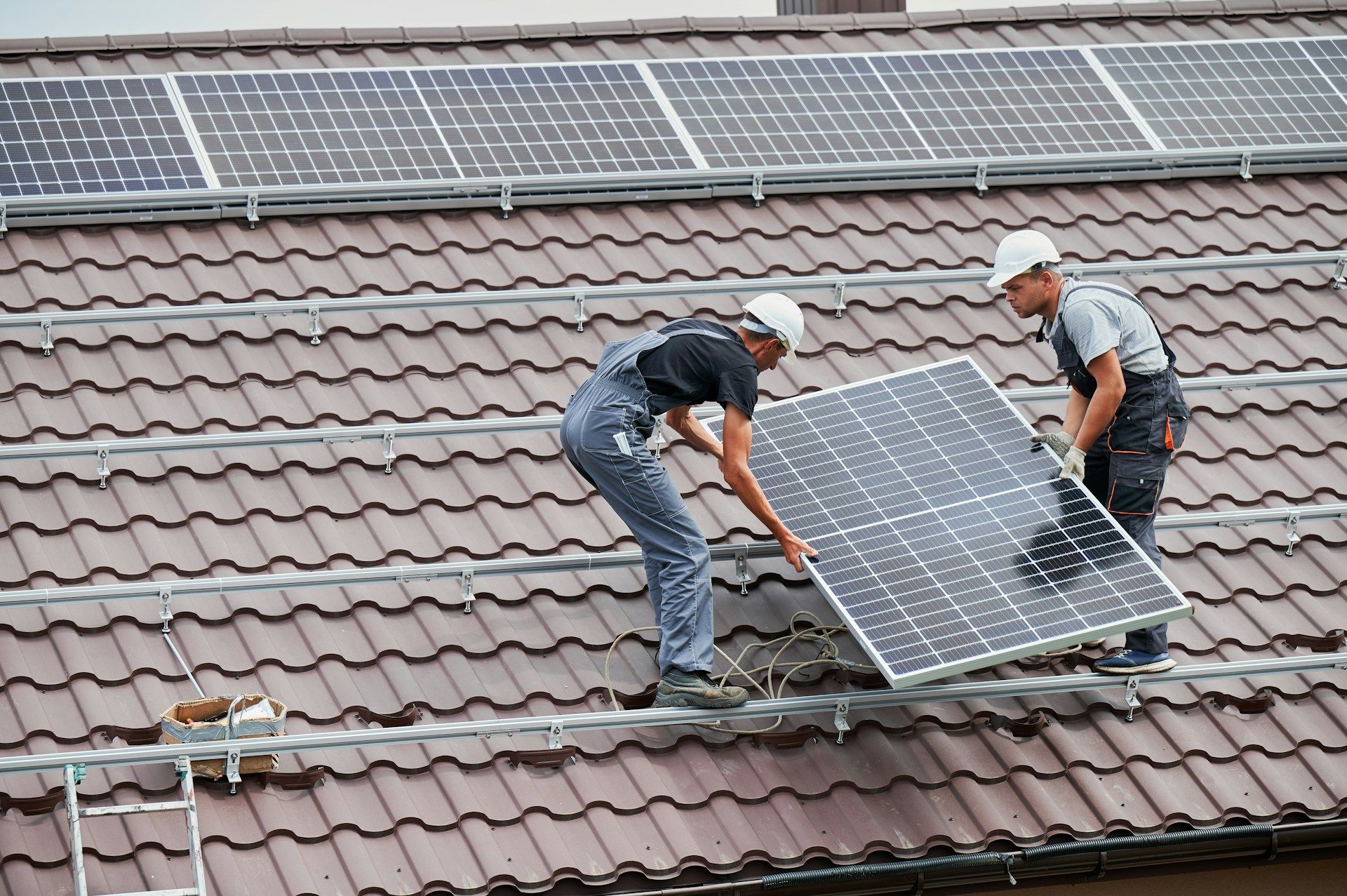
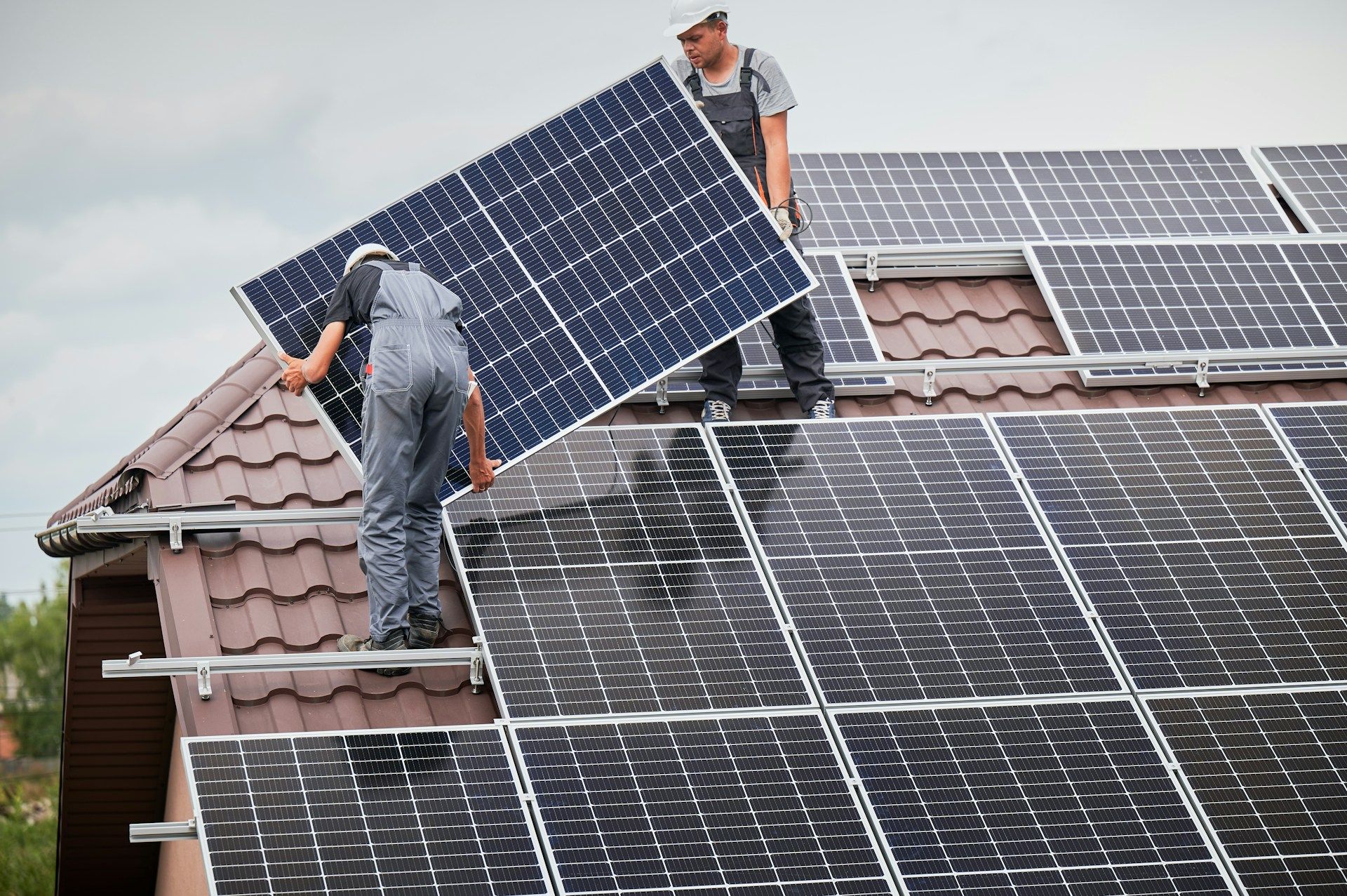
Solar panel skirting is another key tool in the asset protection kit. By closing the gap around the edges of panels, skirting can:
- Stop leaves and bark lodging under the array
- Reduce nesting and debris around electrical components
- Help keep the area under panels cooler and clearer, which supports performance and protects the investment over time
Roofline Fire-Safety Checklist
Use this simple checklist at home to assess your roofline from an asset protection point of view:
- Any visible rust, sagging or staining around gutters and downpipes
- Gutters that regularly overflow in a normal downpour
- Large trees overhanging or very close to the roof
- Solar panels with visible leaves or debris caught around the edges
- Birds or animals frequently seen entering under panel arrays
If you are ticking several of these boxes, your roofline is telling you it needs attention to better protect the home and solar system beneath.
Before & After Case Study 1: Bushfire-Readiness Upgrade
To make this practical, it helps to picture a typical upgrade on a Hobart or Launceston home in a bushfire-prone pocket.
Before (Problem)
- Older, shallow gutters packed with gum leaves and bark
- A strip of plastic mesh sitting in sections, warped from UV and pulling away at the corners
- Birds nesting in roof valleys and under solar panels
- Solar panels with a ring of leaves trapped against the lower edge
From the street, you might only notice the occasional overflow. Up close, photos would show gutters overflowing with debris, flimsy plastic mesh bending under the weight, and dark piles of leaves resting on hot metal and wiring, all of which increase fire and damage risk to the property.
After (Solution)
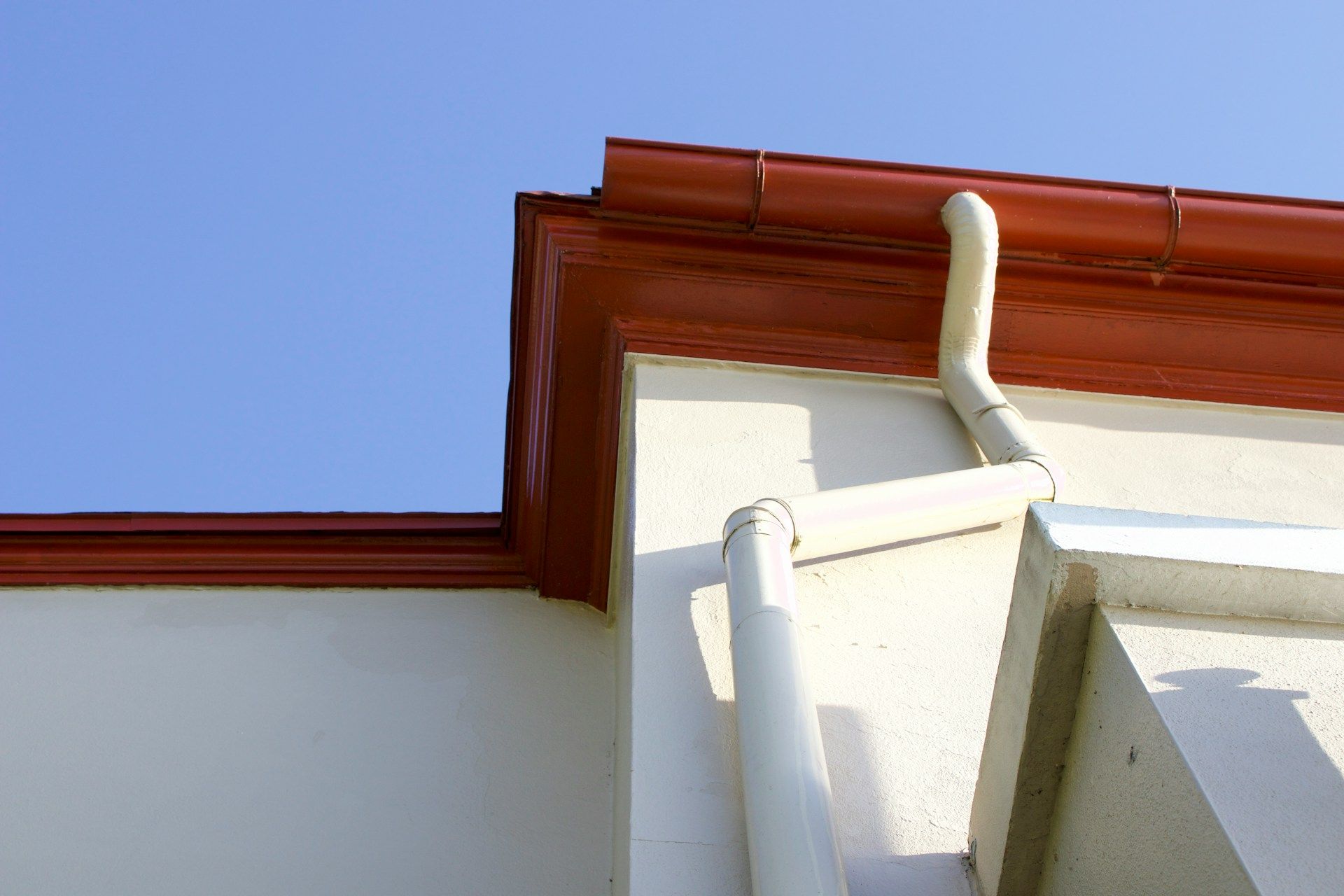
- New metal gutters correctly pitched to move water away from the home
- Bushfire-rated metal mesh fitted from roof edge to gutter lip, creating a smooth, continuous barrier
- Bird-proofing installed in valleys and entry points
- Solar panel skirting neatly closing the gaps around the array
Side-by-side photos tell the story clearly. On one side, stained fascias, lumpy gutters and leafy build-up around solar panels. On the other, clean lines, fine metal mesh sitting flush with the roof, and panels framed with skirting so there are no visible debris traps. The upgrade is not just cosmetic; it strengthens the home’s bushfire resilience and helps protect its long-term value.
Before & After Case Study 2: Preparing a Property for Sale
Another common scenario is a property preparing for sale. The owners decide to replace tired gutters, install bushfire-rated guards and add solar skirting as part of their pre-sale improvement plan.
Before (Problem)
- Dated, rust-stained gutters that distract from an otherwise solid roof
- No ember protection in a clearly bushfire-prone area
- Visible leaf build-up around a large solar array
After (Solution)
- New gutters and downpipes with correct fall and capacity
- Bushfire-rated gutter and ember guards to protect the roofline
- Solar skirting to protect the solar system and tidy the roof appearance
The end result is a sharper-looking roofline and a clear message to buyers that fire risk and ongoing protection have been built into the property. When potential buyers and agents talk through the property, features like gutter guards and protected solar can support conversations about long-term value, reduced risk and lower exposure to damage, not just short-term appearance.
The real outcomes of these upgrades are what matter most:
- Greater peace of mind when smoke is in the air during fire season
- Less need for risky ladder work or roof access, as a secondary benefit
- A cleaner, more modern look from the street that supports property value
- A stronger roofline story when speaking with insurers, valuers or buyers
Take the Next Step to Bushfire-Ready Gutters
Treating bushfire-rated gutter guards as part of your overall asset protection, rather than a last-minute add-on, makes planning much easier. The ideal time to improve your roofline is when you are already thinking about other work, like new roofing, repainting or solar upgrades, so everything can be coordinated as a single investment in the long-term protection of your home.
A simple first step is to walk around your property and note:
- Any overhanging branches or tall trees close to the roof
- Rusted, sagging or visibly blocked gutters
- Areas of the roof that are steep, high or awkward to access safely
- Existing gutter guards that are plastic, loose or not sealed to the roof edge
- Solar panels with leaves, nests or staining around the frame
If several of these points apply, it is a sign that your home could benefit from a closer roofline inspection and a tailored plan covering gutter replacement, bushfire-rated gutter guards, ember guards, bird-proofing and solar panel protection that fits your specific Tasmanian property.
A one-off, professionally installed system can then work quietly in the background, helping to protect your home, your solar investment and your peace of mind through many fire seasons to come, while supporting the long-term resilience and value of your property.
Protect Your Home With Proven Ember-Ready Gutter Protection
If you live in a bushfire-prone part of Tasmania, we can help you stay ahead of the next fire season with our
bushfire-rated gutter guards designed for local conditions. Our team at Hobart Gutter Guard Co will assess your roofline, recommend the right system and complete a tidy, compliant installation. Ready to get started or have a few questions first? Simply
contact us and we will walk you through the next steps.

Get a Free Measure and Quote
- No More Cleaning Blocked Gutters
- Keep Out Birds, Leaves & Debris (100% Bird Proof Gutters)
- Protect Your Gutters & Home From Costly Water Damage and Fire Threats
- Gutter Guard & Ember Guard
- Free Gutter and Solar Panel Clean With New Installs