
Hobart Gutter Guard Co Blog
Signs Your Solar Panels Need Bird Proofing in Hobart
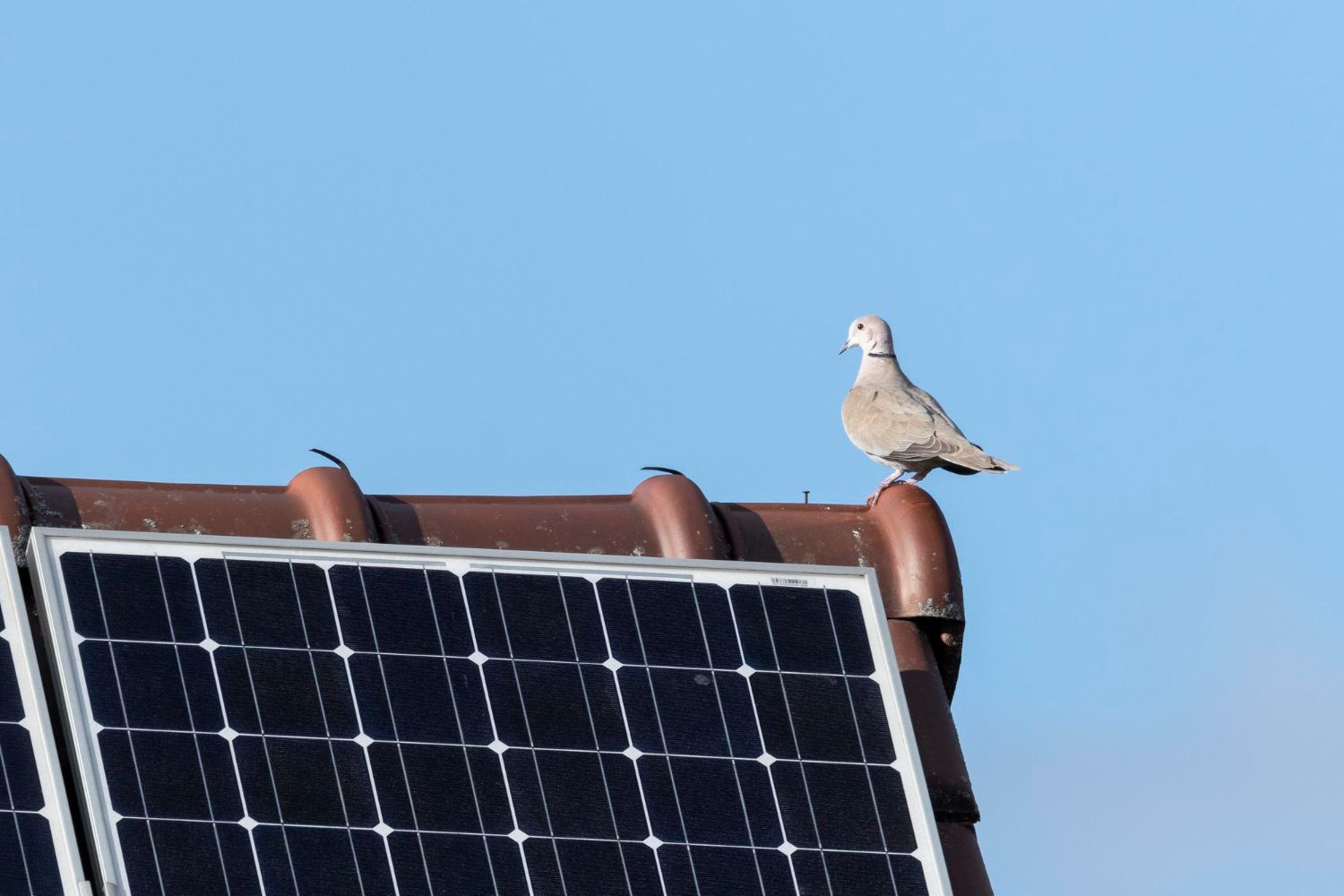
Stop Costly Damage Before It Starts
Solar panels are a big investment, especially when power costs keep climbing in Tasmania. Once they are on the roof, it is easy to think they will quietly do their job for years with no trouble. But if birds start nesting under your panels, that investment can slowly be damaged without you seeing it from the ground.
Birds under solar panels in Hobart and across regional Tasmania can cause corrosion, chew or disturb wiring, and reduce how well your system performs. What starts as a few droppings or feathers can quickly turn into blocked gutters, rust patches, and noisy mornings. The good news is there are clear warning signs that your panels are being targeted and that you need solar panel bird proofing in Hobart.
In this article, we walk through those early signs, what happens if you ignore them, how professional skirting and guards work, and a simple checklist to use before winter rains set in. With Hobart’s cooler climate, autumn nesting and damp conditions, spotting problems early can save your panels and your roof from long-term damage.
Hidden Signs Birds Are Targeting Your Solar Panels
Most people only notice a problem once it is loud or messy. By that time, birds are often already settled in under the panels. There are three main types of clues to watch for: visual, behaviour, and performance.
Visual clues include:
- Twigs or small branches sitting around the edges of your panels
- Nesting material poking out from underneath the frames
- Feathers caught on rails, brackets or visible cables
- Discoloured patches on the roof where droppings are collecting
You might also see buildups of leaves and debris in gutters directly below the array. From the ground, it can look like normal autumn leaf fall, but the source is often birds dragging material in and out of their nests.
Behaviour gives away a lot too. Warning signs include:
- Birds regularly landing on the same section of roof or panel edge
- Early morning or dusk activity focused around your solar system
- Persistent cooing, scratching or shuffling noises from above that carry on day after day
If the sound is constant and seems to come from just under the panels rather than up in nearby trees, there is a good chance birds are moving in.
Then there are the performance clues. Birds and their nests can block sunlight, stop air from flowing around the panels and create hot spots. You may see:
- A drop in solar output on clear days, compared to what you normally expect
- Inverter error messages or warnings that do not match weather conditions
- Sections of the array looking dull or dirty, even after rain has washed other parts clean
These are not just cosmetic issues. Long-term shading and trapped heat can shorten the life of your solar panels and reduce the return on your investment.
From Nuisance to Damage: What Happens If You Ignore It
Birds do not start by wrecking a roof. Problems build in stages, but they can move from small to serious faster than many people think.
First comes the mess. Bird droppings are acidic and can slowly eat into metal frames, roof sheets and gutters. When these areas stay wet for long periods, especially in Hobart’s cooler, damp conditions, small stains can turn into early rust. Nests and loose material wash into gutters, blocking them and holding moisture right where you do not want it.
Over time, this creates bigger problems:
- Gutters overflowing in heavy rain, spilling water down fascia boards and walls
- Moisture trapped under panels and around fixings, leading to rust patches and leaks
- Roofing materials wearing out faster, especially on older iron roofs
There are also safety risks that many homeowners are not aware of. Birds can disturb or peck at cabling and connectors, creating weak spots or exposed sections. Dry nesting material packed around electrical components is not where you want a potential spark.
Water can also work its way in around roof penetrations if flashing and fittings are surrounded by debris. This can lead to leaks in the ceiling and hidden damage in roof timbers. So the real worry is not just cleaning droppings; it is the way ongoing bird activity can shorten the life of your solar panels and gutters, turning a long-term saving into an early replacement.
Before and After: Real Tasmanian Roof Transformations
On many Tasmanian homes, we see the same pattern: an older iron roof, a modest solar system and a growing pigeon or starling problem. The “before” state is easy to describe.
From the street, you might notice:
- Stained roof sheets under the panels
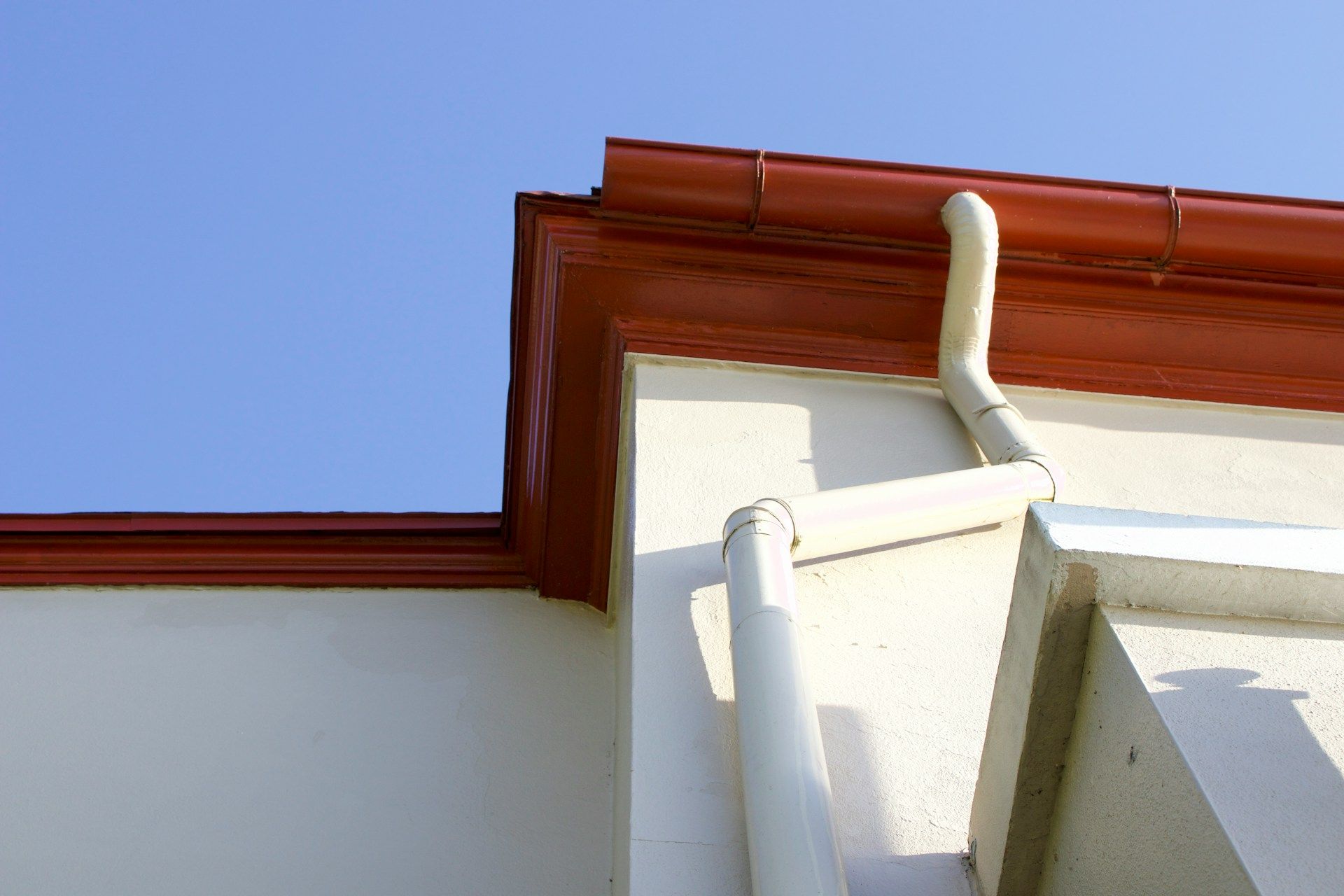
- Rust starting on gutter edges and around downpipes
- Birds constantly lifting in and out from one side of the solar array
- Gutters needing frequent clearing because they keep filling with nesting debris
Inside the home, owners often report that their monitoring app shows less solar output than they used to get, even on clear, cold days. The roof is noisier in the early morning, and downpipes struggle to cope when heavy rain hits.
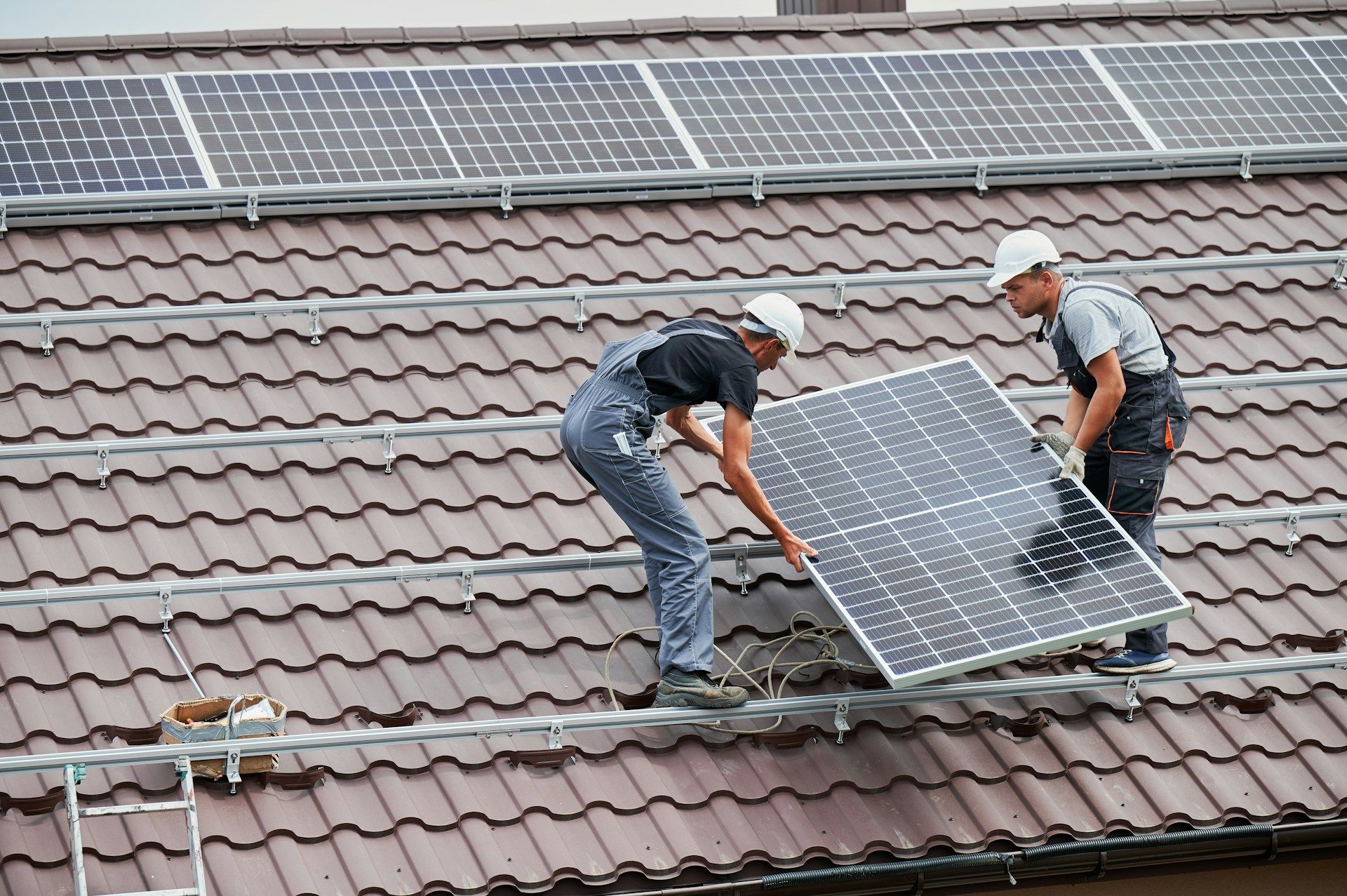
When we install solar panel skirting and bird proofing, we also look at the whole roofline. A full solution usually includes:
- Fitting quality skirting around the panel edges so birds cannot get underneath
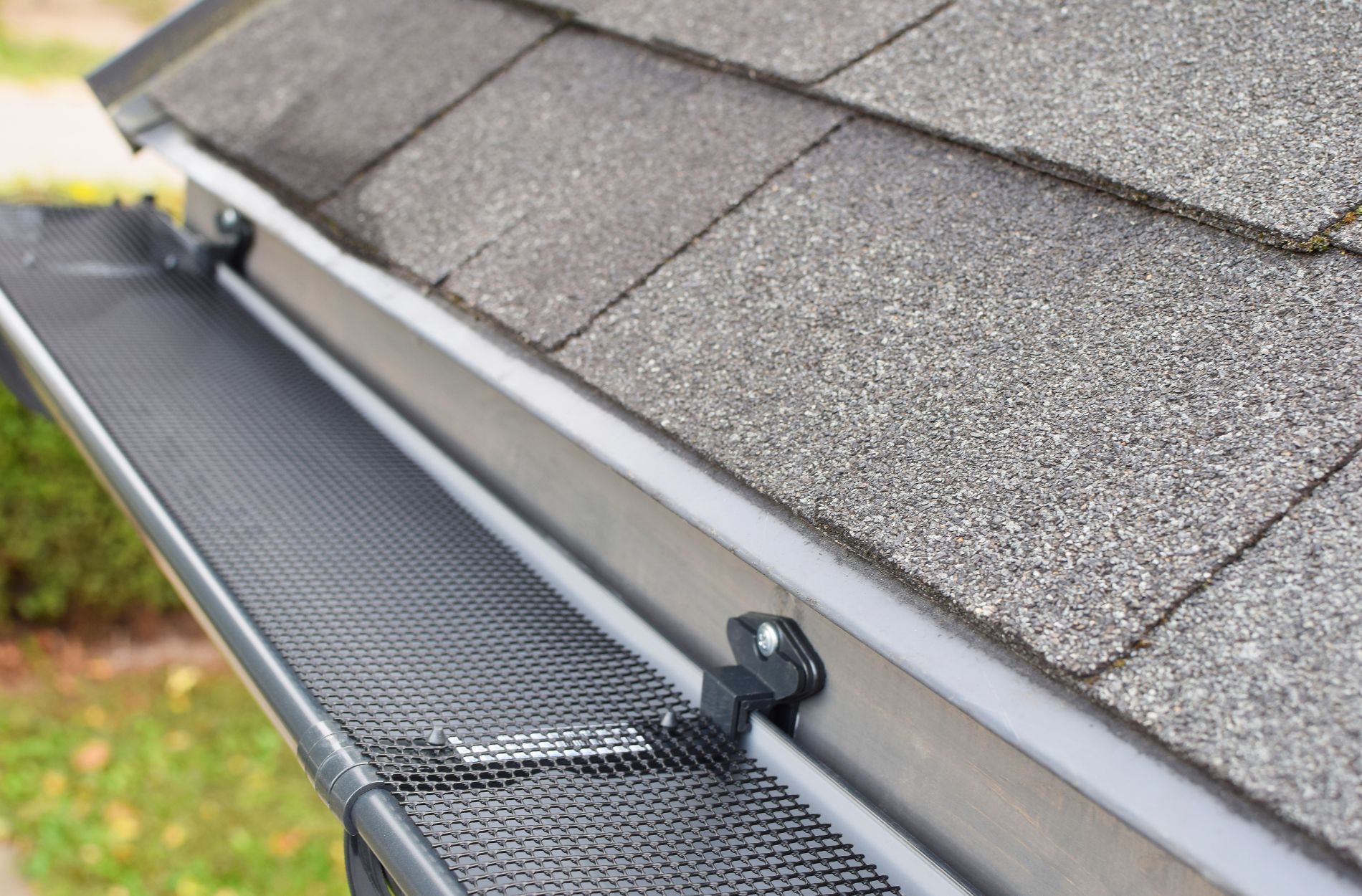
- Installing matching gutter guards so leaves, nests and debris do not fill the gutters
- Carefully cleaning away nesting material, feathers and droppings from around the array and gutters
The “after” picture is very different. The roof is quiet again. The edges of the panels look clean and finished, with no gaps for birds to push through. Gutters flow freely in heavy rain and stains start to fade once new mess stops building up. Solar performance returns to normal levels, and the homeowner feels more confident heading into another Tasmanian winter.
Side-by-side before-and-after visuals really show the change: from messy, stained and exposed to modern, sealed and secure. It also makes a great simple problem-and-solution video for anyone wondering if bird proofing is worth it.
How Solar Panel Bird Proofing in Hobart Protects Your Investment
Solar panel bird proofing in Hobart is not just about shooing birds away. It is about fitting a long-term protective system that suits local weather, from strong winds to salt air and heavy autumn and winter rainfall.
A good professional setup usually includes:
- Sturdy skirting fixed around the edges of each panel
- Materials chosen not to react with metal roofing or frames
- Fittings designed to avoid piercing the panels or damaging the mounting system
DIY fixes can be tempting, but they often do not last. Things like loose netting, plastic spikes or homemade deterrents might work for a short while, but birds are smart and persistent. Poorly attached netting can flap in the wind, rub on panel surfaces, or even come loose and end up in gutters or down the yard.
By contrast, professional bird proofing is designed to stay in place without affecting the way the panels work or are cooled. When installed by a specialist, it acts like insurance for both your solar system and your roofing.
There are extra benefits as well:
- Less frequent cleaning of panels and gutters
- Lower chance of gutter overflows causing staining on walls and paths
- Reduced risk of rust and corrosion around the solar array
- A neater, more finished look that helps protect overall home value
Protecting panels and gutters at the same time is usually smarter than paying for repeat clean-ups and hoping the birds move on by themselves.
Simple Safety Checklist Before Winter Hits
If you want to know whether birds might be targeting your solar panels, you can carry out a simple check from the ground. There is no need to get on the roof, and you should not try to disturb nests or touch equipment yourself.
Start with your roofline and gutters:
- Look for sagging sections of gutter or spots where water has recently overflowed
- Check for rust streaks on fascia boards or walls below the panels
- Notice any green or dark streaks under the array or along roof sheets
- Note where bird droppings are building up around downpipes or at the base of walls
Then check your solar system from a safe spot:
- See if any parts of a panel look shaded by nests or built-up debris
- Look for visible cables or gaps where light shows clearly under panel edges
- Pay attention to any inverter error messages or warning lights
- Compare your recent power bill or monitoring app to what you expect for clear autumn days
If anything looks odd, the safest next step is to document what you can see with a few photos or a short video from the ground. This helps a professional understand what is happening and suggest a bird proofing and gutter protection plan that suits your home and local conditions. Roofs, live electrical gear and wet, windy Tasmanian weather are not a mix for DIY, so it is always better to stay on the ground and let trained installers handle the hard work.
Protect Your Solar Investment From Birds Today
If you are ready to stop birds nesting under your panels and avoid costly damage, our team at Hobart Gutter Guard Co can help. Learn how our specialised
solar panel bird proofing in Hobart keeps your system cleaner, quieter and working at peak efficiency. Reach out today and
contact us to arrange an on-site assessment and clear, upfront quote.

Get a Free Measure and Quote
- No More Cleaning Blocked Gutters
- Keep Out Birds, Leaves & Debris (100% Bird Proof Gutters)
- Protect Your Gutters & Home From Costly Water Damage and Fire Threats
- Gutter Guard & Ember Guard
- Free Gutter and Solar Panel Clean With New Installs